Introduction
Choosing the right tractor tires is one of the most important decisions a farmer can make. The tires you select directly affect your equipment’s efficiency, stability, and performance in the field. Among the popular choices available, 20.8 34 tractor tires stand out for their balance of size, strength, and versatility. Whether you are working with row crops, pulling heavy loads, or managing mixed farm tasks, these tires provide dependable traction and durability. Understanding what makes this size unique can help you maximize productivity while reducing wear and fuel costs.
Why Tire Size Matters for Farm Equipment
The size of a tractor tire is more than just a number; it defines how your equipment interacts with the soil and the load it carries. The first figure in a size like 20.8 34 represents the width of the tire in inches, while the second indicates the rim diameter. In this case, a width of 20.8 inches paired with a 34-inch rim provides a wide footprint that balances traction and flotation. This sizing helps distribute weight evenly, reducing soil compaction while ensuring the tractor maintains grip under heavy conditions.
Farmers often face challenges such as wet fields, uneven terrain, and heavy implements. A properly sized tire reduces slippage, lowers fuel consumption, and extends the life of both the tire and the machine. With 20.8 34 tractor tires, you get a combination that adapts well to these varied challenges.
Advantages of 20.8 34 Tractor Tires
Enhanced Traction in the Field
One of the greatest strengths of 20.8 34 tractor tires is their ability to deliver consistent traction. The wider surface area grips the soil firmly, preventing unnecessary wheel spin. For tasks like plowing, tilling, or pulling wagons, this traction translates into smoother operations and less energy wasted.
Reduced Soil Compaction
Healthy soil is essential for strong crop yields, but heavy farm machinery can compress the ground, reducing its ability to retain nutrients and water. These tires distribute the tractor’s weight more evenly across the field. As a result, they minimize compaction and protect the soil structure, making them a reliable choice for long-term farming success.
Stability with Heavy Implements
Modern farming often requires attaching large implements, from seeders to sprayers. A tire that can handle the weight without compromising balance is critical. With a width of over 20 inches, these tires provide a stable base that enhances control, even when carrying or pulling heavy loads on uneven ground.

Versatility Across Applications
Not all farm tasks demand the same type of tire performance. Some require flotation, while others rely heavily on traction. The design of 20.8 34 tractor tires strikes a balance between the two. They are well-suited for row crop operations but also perform well in transport and general utility tasks, making them a versatile option for multi-use tractors.
How Durability Impacts Farming Efficiency
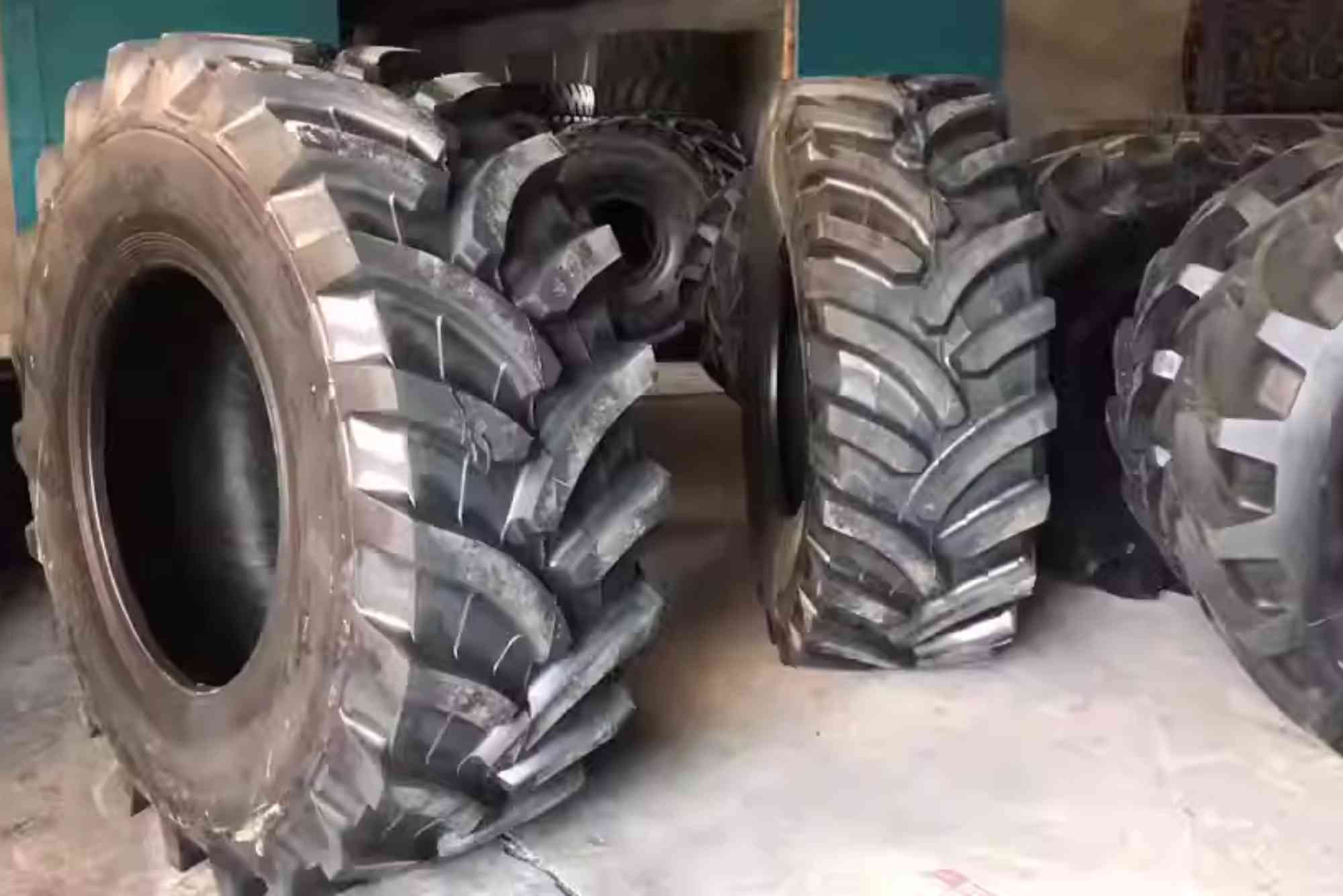
Farm tires endure constant pressure, abrasion, and exposure to harsh conditions. Replacing them frequently can be costly and disruptive. Fortunately, 20.8 34 tractor tires are known for their durability. Built with strong sidewalls and deep tread patterns, they resist cuts, punctures, and excessive wear. This durability means fewer breakdowns during critical planting or harvest seasons, saving both time and money.
A durable tire also protects your tractor’s drivetrain. Excessive slippage or uneven wear can strain the machine, leading to mechanical issues over time. By investing in reliable tires, you extend not only the tire’s lifespan but also that of your equipment.
Performance on Different Terrains
Farmers rarely work on uniform surfaces. From soft soil after rain to dry, compacted fields, conditions can change quickly. 20.8 34 tractor tires perform consistently across these variations. Their wide footprint helps prevent sinking in wet fields, while the strong tread maintains grip on drier ground. On gravel farm roads or when transporting loads, they provide smoother rides and reduce vibration stress on the tractor.
This adaptability makes them a solid choice for farms that require flexibility rather than specialized tires for every task.
Factors to Consider When Choosing 20.8 34 Tractor Tires
Selecting the right tire involves more than just reading the numbers. Farmers should consider load capacity, ply rating, and tread design. The ply rating indicates how strong the tire is under heavy loads, while the tread design determines how well it grips the soil. Depending on your farm’s soil type, crop variety, and equipment demands, certain tread patterns may perform better than others.
Another consideration is whether to choose radial or bias construction. Radial 20.8 34 tractor tires generally offer better fuel efficiency, longer tread life, and improved comfort. Bias-ply versions, however, may be more affordable and can handle heavy loads at slower speeds. Evaluating your needs helps ensure you get the right balance of performance and cost.
Maintenance Tips to Maximize Tire Life
Even the best tires require care to perform optimally. Regular inspection is key. Farmers should check for cuts, cracks, or lodged debris that may cause damage. Keeping tires inflated to the recommended pressure ensures proper traction and prevents uneven wear. Overinflation can lead to reduced traction, while underinflation may cause excessive soil compaction and shorten the tire’s life.
Rotating tires when needed, cleaning them after muddy conditions, and storing equipment properly during off-season months all contribute to extending their service life. Proper maintenance not only protects your investment but also guarantees reliable performance when you need it most.
Cost Considerations and Long-Term Value
The initial price of 20.8 34 tractor tires can seem high, but it’s important to weigh that against their long-term value. With superior durability, reduced soil damage, and efficient fuel use, these tires can lower operating costs over time. Farmers who prioritize long-term savings and efficiency often find this size offers excellent return on investment.
By reducing downtime from tire failure and helping improve crop yield through less compaction, the financial benefits extend far beyond the purchase price.
Common Questions About 20.8 34 Tractor Tires
What tractors use 20.8 34 tires?
This size fits many mid-to-large tractors commonly used in row crop farming. Compatibility depends on rim size and machine requirements.
Are 20.8 34 tractor tires good for wet fields?
Yes, their wide footprint and deep tread help prevent sinking and slipping in softer soil conditions.
How long do these tires last?
With proper maintenance, they can last several years, depending on workload, terrain, and storage practices.
Should I choose radial or bias for 20.8 34 tires?
Radial options typically last longer and improve fuel efficiency, while bias tires are more cost-effective and handle heavy loads well.
How do I know if my tractor needs this size?
Check your equipment manual or consult with a tire professional to confirm the correct size and specifications for safe performance.
When it comes to reliable farm equipment, the tires beneath your tractor play a critical role. 20.8 34 tractor tires offer a powerful combination of traction, durability, and versatility, making them an excellent choice for farmers who need dependable performance across a variety of tasks. From reducing soil compaction to improving fuel efficiency, they provide tangible benefits that support both short-term productivity and long-term farm health.