Traveling to Japan often raises one practical question: what exchange rate will I get at a 7-Eleven ATM in Japan? Many visitors assume that all ATMs are the same, but differences in fees, rate markups, bank policies, and timing can affect how much you get. If you use a 7-Eleven ATM, knowing how the exchange rate works can save you money and stress. In this article, I’ll share detailed, reliable advice so you can make smart choices.
What Determines the 7-Eleven ATM Japan Exchange Rate
How banks set the rate
When you use a foreign card at a 7-Eleven ATM in Japan, the exchange rate depends on the bank or financial institution that issues your card. That bank chooses a rate based on the interbank rate plus a margin. Even before local ATM or convenience store surcharges, the issuing bank may already add an exchange spread or transaction fee.
Local ATM & convenience store fees
Even though 7-Eleven ATMs are widespread and usually well-signposted for foreign cards, there may still be additional fees. The convenience store may not charge you, but the ATM network (or host bank) might. Sometimes ATMs owned by local banks or third-party providers include a percentage fee for using a foreign card—even if the rate seems competitive.
Timing and currency market fluctuations
Foreign exchange markets move often—sometimes hourly. So the rate applied when you withdraw may be slightly different than the one you checked earlier in the day. Weekends and holidays can mean wider spreads or delayed adjustments. Also, some ATMs or banks may lock in rates only at certain times during the business day.
Using 7-Eleven ATMs in Japan: What You Need to Know
Where you’ll find them
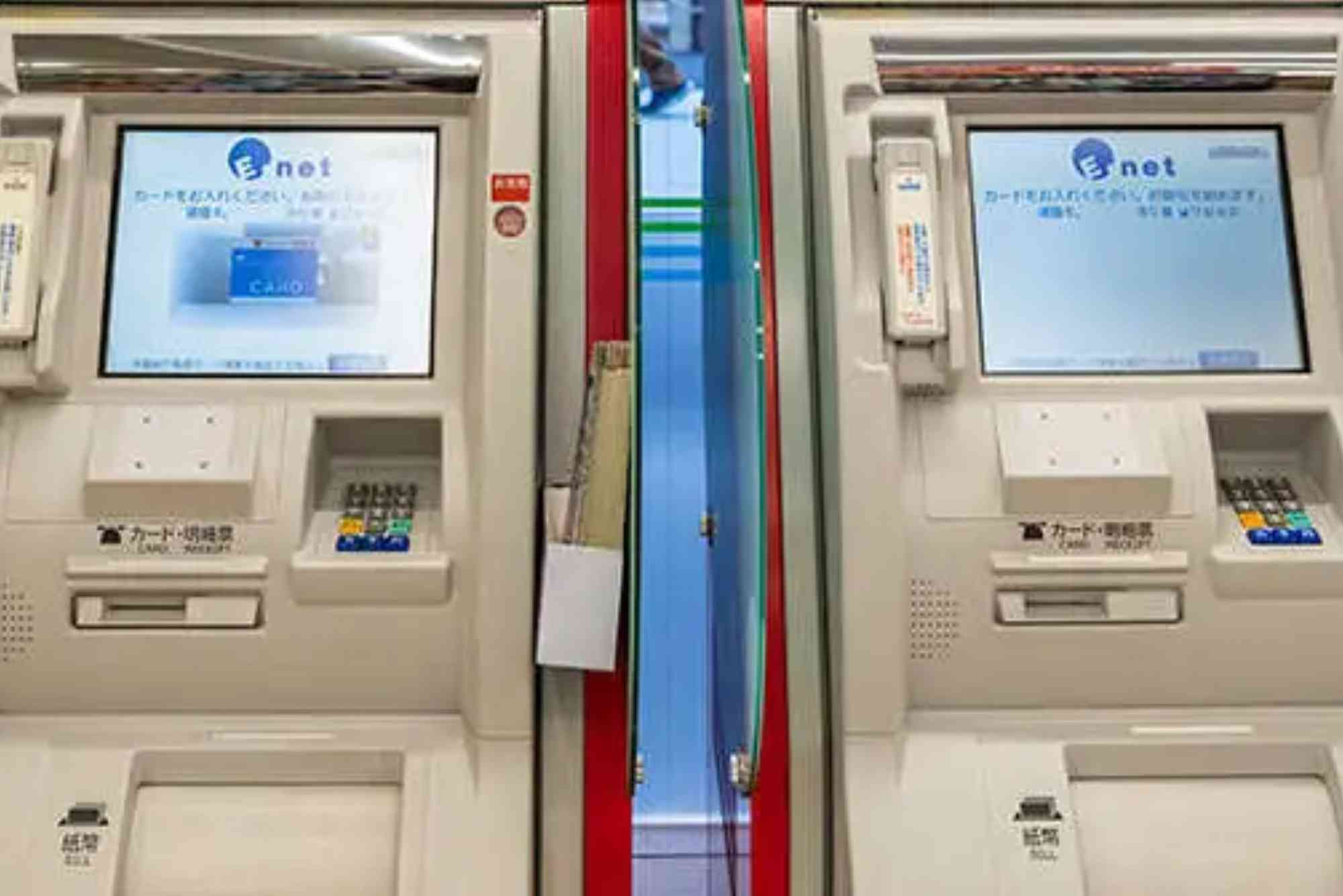
7-Eleven in Japan often hosts ATMs that accept international cards. These ATMs are usually part of the “Seven Bank” network. While almost every 7-Eleven store has one, note that not all machines accept foreign cards 24/7. Sometimes hours are limited or machines are temporarily offline.
Accepted cards & card network compatibility
Most 7-Eleven ATMs accept common global networks like Visa, Mastercard, Cirrus, PLUS, JCB, and sometimes UnionPay. However, your card must have a chip and PIN. Before traveling, check with your bank whether your card is enabled for Japan and for international ATMs.

Daily and per-transaction limits
Be aware of how much you can withdraw per day, both from your home bank and from the local ATM. Some 7-Eleven machines impose a maximum per transaction. If you exceed the transaction limit, you might face extra fees or denial. Dividing a large withdrawal into smaller ones may help, but each will incur separate fees.
Exchange Rate Tips to Save Money
Check the mid-market rate beforehand
Before you leave or while you’re in Japan, compare the mid-market rate (what banks use between themselves) with the rate your issuing bank would use. Tools like currency converters help. If the 7-Eleven ATM rate plus your bank’s fees is much worse than what you found, consider withdrawing more at once to minimize fixed fees.
Use bank cards with low foreign transaction fees
Some banks offer cards particularly friendly for travelers—low or no fees for withdrawals abroad, favorable exchange rates without large markups. If you have such options, use them. If your regular card charges high fees, the cost adds up.
Avoid weekend or evening withdrawals if possible
Rates can be less favorable during off-hours or when FX markets are closed over a weekend. Some banks freeze the exchange rate until markets reopen, and that often means extra cost. If you can, do your withdrawals during regular business hours.
Keep track of hidden charges
While the rate itself matters, also watch for extra fees: your bank’s overseas ATM fee, 7-Eleven or Seven Bank surcharges, currency conversion fees from your card network, and sometimes commission. Even small percentages add up. Always check your bank statement soon after withdrawing.
Comparing Alternatives to 7-Eleven ATMs
Using your home bank’s partner banks
If your home bank has partner banks in Japan or global ATM alliances, withdrawing from those might give you better rates or reduced fees compared to 7-Eleven machines. It’s worth checking if your bank partners with any Japanese banks.
Exchanging cash at airports or exchange counters
Currency exchange counters sometimes offer rates worse than ATMs once fees and spread are included. While convenient, their rates are often less favorable. However, getting a small amount of yen there for arrival is useful before finding an ATM.
Prepaid travel cards or multi-currency cards
These cards let you load currency in advance or hold yen, locking in an exchange rate when you load. If you expect to spend a lot, loading advance funds may protect you from rate fluctuations. But check whether the card charges for reloading, inactivity, or ATM withdrawal.
Example: Estimating Real Cost From Home to ATM Withdrawal
To make this concrete, here’s how fees add up:
- Suppose your bank’s interbank rate shows 1 USD = ¥150.
- Your bank charges a 3% foreign transaction fee.
- The 7-Eleven ATM’s host bank adds a ¥110 fixed fee per withdrawal.
- The ATM rate might include a small markup: you might get ¥147 per USD instead of ¥150.
When you withdraw, you lose some value because of that 2-3% rate markup + fees. If you withdraw larger sums less often, fixed fees become less significant. Estimating beforehand helps with budgeting.
How to Check What Rate You’ll Get Before Withdrawal
Use your bank’s online tools or statements
Many banks show detailed information on what exchange rate will be applied for international ATM withdrawals. Sometimes they show past examples. Knowing your bank’s rate policy helps anticipate what will happen at the ATM.
Try small test withdrawal
Make a small withdrawal first, maybe just enough for a day’s expenses, to see how much you’re charged in total. Check your bank statement to see what exchange rate was used, what fees were taken. This gives you a benchmark for larger withdrawals.
Capture ATM screenshots if possible
If the ATM shows how much will be deducted in your home currency or gives you an estimate of the rate before confirming, screenshot or write it down. That way you know in case of a dispute or just to compare back home.
Safety and Convenience Tips at 7-Eleven ATMs in Japan
Choose well-lit, busy locations
Even though Japan is generally very safe, using ATMs in visible, busy 7-Elevens adds extra security. Avoid deserted machines late at night.
Protect your PIN and card info
Shield the keypad when entering your PIN. Cover your hand if others are nearby. Be aware of card skimmers. Always take your receipt if offered, and keep it until statements arrive.
Keep multiple payment options
Don’t rely solely on one card or one method. If your primary card fails, have backup options: spare debit or credit card, perhaps a travel wallet mix of cash and plastic. That way, any unexpected hiccup won’t spoil your trip.
Advantages of 7-Eleven ATMs Despite Exchange Costs
Despite possible fees and slightly worse rates, 7-Eleven ATMs are popular because of:
- They are ubiquitous. 7-Elevens are everywhere in cities and even in rural areas.
- They often accept many card networks and offer instructions in English.
- They are available 24/7 in many locations (though some may have offline hours).
- They provide ease and flexibility—you don’t need to search for a major bank branch when you need cash.
These conveniences often outweigh slight rate disadvantages, especially if you plan carefully.
Understanding the 7 11 ATM Japan Exchange Rate can help you avoid surprises and save money. While exchange spreads, fees, and timing all matter, knowing what to expect turns ATM withdrawals into part of your efficient travel plan. Before you go, check your bank’s foreign fees, plan your withdrawals, and always keep safety in mind when using ATMs.
If you want more guidance on specific card options, estimated costs based on your country, or how to budget yen efficiently, I’d be happy to help. Let me know where you’re traveling from or what card you have!
FAQs
What is the exchange rate at 7-Eleven ATMs in Japan with US dollars?
You’ll get a rate that’s the interbank rate minus a small markup by both your bank and the ATM operator. The exact amount depends on your card issuer, but expect it to be a bit lower than rates you see online. Fees further reduce what you receive.
Does Seven Bank ATM charge extra for foreign cards?
Yes, Seven Bank ATMs might charge surcharges for foreign ATM use. That fee depends on the network and sometimes the time or location. Also, your issuing bank usually charges foreign transaction and overseas ATM withdrawal fees.
Can I see the exchange rate before I accept it at the 7-Eleven ATM?
Sometimes yes. The ATM might show the amount in your home currency or the rate being used before you confirm. If it doesn’t, you’ll only know after seeing your bank statement.
Is it better to exchange cash or use 7-Eleven ATMs in Japan?
Often ATMs offer better effective rates than airport exchange counters—despite their fees—if your bank’s overseas fees are reasonable. Equally, exchanging a small amount for immediate costs at arrival is smart, then using ATMs for larger sums.
Are there cheaper ATMs than 7-Eleven in Japan?
Possibly. Some bank branches or partner banks with your home bank might have lower fees. Prepaid cards or multi-currency cards also sometimes offer better terms. But convenience often balances cost with 7-Eleven ATMs.