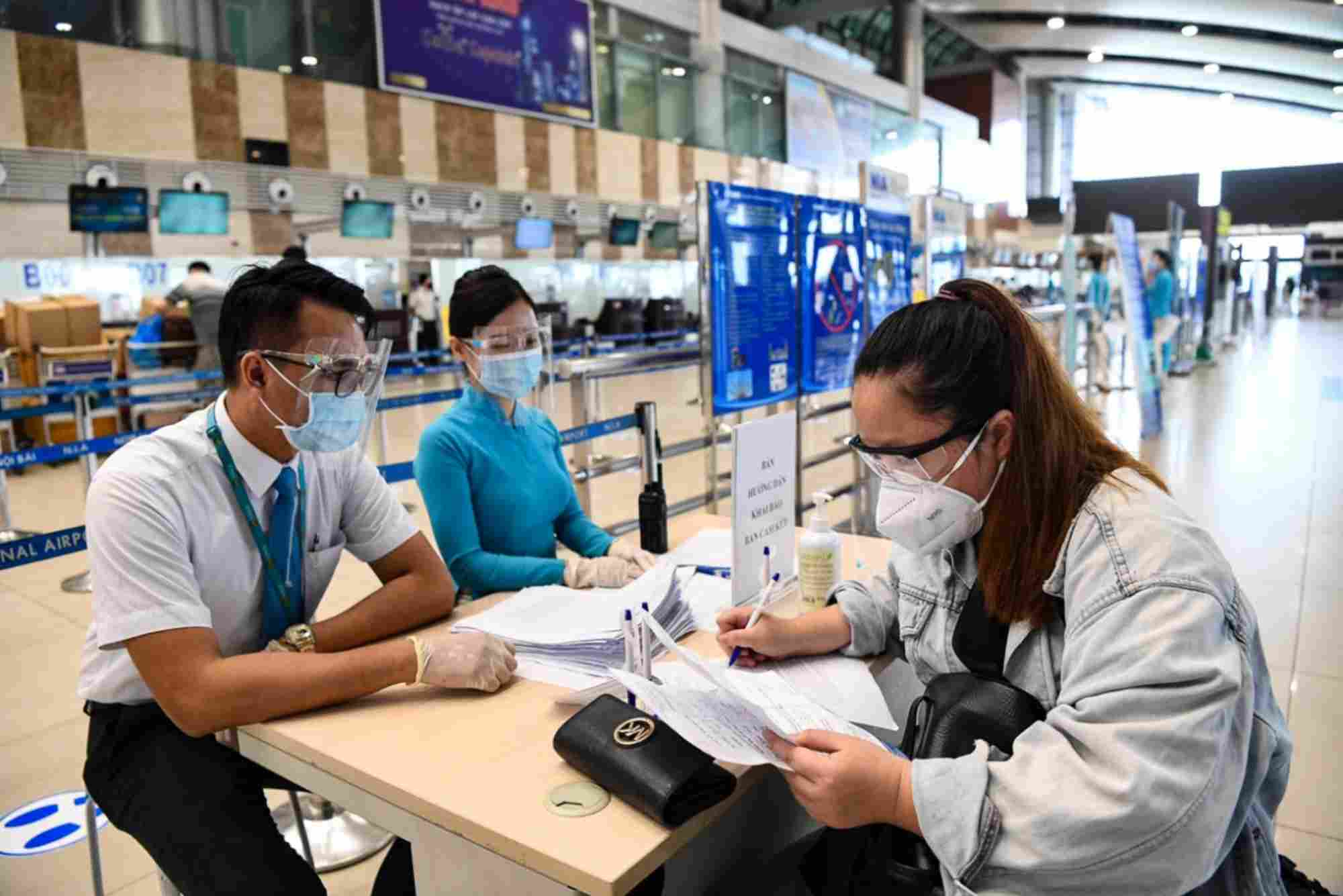
What Travelers Must Know in 2025
Traveling in 2025 comes with new health checkpoint protocols at airports worldwide. As global health concerns continue to influence travel habits, airport health has become a top priority. Whether you are a frequent flyer or planning your first trip in years, understanding airport health checkpoints is essential for a smooth, safe journey.
This comprehensive guide covers everything travelers need to know about airport health checkpoints in 2025, including new technologies, procedures, and tips to stay prepared. We will explore how airport health measures are evolving and what that means for your travel experience.
Why Airport Health Checkpoints Matter More Than Ever
Airport health checkpoints are critical in preventing the spread of infectious diseases. Since the COVID-19 pandemic, airports have transformed into health-focused hubs to protect passengers, staff, and communities.
In 2025, these checkpoints are not just about screening but also about promoting safe environments and efficient travel. Airports are adopting innovations to reduce physical contact and improve health safety while maintaining smooth passenger flow.
Understanding these changes helps travelers avoid delays and ensures compliance with global health standards.
What to Expect at Airport Health Checkpoints in 2025
Airport health checkpoints have expanded beyond basic temperature screenings. Today, they integrate advanced technologies and more comprehensive health protocols.

Enhanced Health Screening Technology
Many airports now use contactless health screening tools. Thermal imaging cameras scan travelers’ temperatures without physical contact, speeding up the process. Some airports have implemented AI-driven symptom detection systems to identify possible health risks based on behavior and vital signs.
Rapid antigen and PCR testing stations are also common at major international airports. These testing facilities allow travelers to obtain results quickly before boarding or upon arrival, helping limit the spread of viruses.
Digital Health Passports and Pre-Travel Declarations
Digital health passports, verified through apps or QR codes, are increasingly required. These documents store vaccination records, test results, and health declarations. They help airport authorities verify traveler status quickly and accurately.
Pre-travel health questionnaires, often completed online, allow passengers to declare symptoms and recent contacts before arrival. This reduces the need for on-site questioning and speeds up processing at checkpoints.
Hygiene and Sanitation Protocols
Airports have upped their hygiene standards dramatically. Expect frequent sanitization of high-touch areas, availability of hand sanitizers, and clearly marked social distancing zones. Many airports use ultraviolet (UV) light sterilization for luggage and seating areas.
Mask mandates may still be in place depending on local regulations, so travelers should come prepared with adequate face coverings.
How Airport Health Checkpoints Affect Your Travel Routine
Travelers need to adjust their routines to accommodate airport health measures. Planning ahead and understanding what to expect can save time and reduce stress.
Arrive Early to Account for Health Screenings
Health checkpoints can add extra time to airport procedures. Arrive at least 2-3 hours before domestic flights and 3-4 hours before international flights. This buffer helps accommodate potential testing, document verification, and sanitization steps.
Carry Necessary Health Documentation
Keep all required health documents accessible. These may include vaccination certificates, negative test results, digital health passports, or health declaration forms. Having them ready on your phone or in physical form will speed up checkpoint processing.
Follow On-Site Instructions Carefully
Airport staff provide instructions for health checkpoint procedures. Follow their guidance on queueing, mask-wearing, and sanitization stations. Cooperation ensures safety for all and smooth transit through the checkpoints.
Stay Informed About Destination Requirements
Health protocols vary between countries and even airports. Check the latest travel advisories and airport health rules for both your departure and arrival locations. This includes entry requirements, quarantine rules, and allowed testing types.
Innovations Shaping the Future of Airport Health Checkpoints
Looking ahead, airport health checkpoints will continue evolving to improve traveler safety and convenience.
Biometric and AI-Integrated Screening
Biometric identification combined with AI health analysis is gaining traction. Facial recognition linked to health data can expedite identity and health status verification with minimal contact.
AI systems may predict health risks by analyzing passenger data, enabling proactive interventions and reducing the spread of diseases.
Touch-Free Passenger Experience
Airports aim for fully touch-free journeys. From check-in kiosks to security and boarding gates, voice commands, gesture recognition, and smartphone controls will minimize physical interactions.
This approach reduces contamination risks and streamlines processes.
Real-Time Health Monitoring
Some airports are testing wearable devices that monitor vital signs in real-time. Travelers opting in can receive health status updates and alerts if they show symptoms, allowing immediate care and isolation if needed.
Stay Prepared for Airport Health Checkpoints in 2025
Airport health checkpoints are now an integral part of air travel. Embracing these changes helps protect public health and enhances travel safety. By understanding what to expect and preparing accordingly, travelers can enjoy stress-free journeys.
Remember to stay updated with airline and airport announcements, carry all required health documents, and cooperate with checkpoint protocols.
Your health and safety matter—travel smart and stay safe Planning your next trip? Check your destination’s latest airport health guidelines now to ensure a hassle-free journey!
Frequently Asked Questions (FAQs)
What are the new airport health screening procedures in 2025?
In 2025, airport health screening includes contactless temperature checks, rapid COVID-19 testing, AI-based symptom detection, and verification of digital health passports.
Do I still need to wear a mask at airport health checkpoints?
Mask requirements depend on local and international regulations. Travelers should carry masks and follow airport and airline instructions.
How early should I arrive for flights with health checkpoints?
It is recommended to arrive 2-3 hours early for domestic flights and 3-4 hours for international flights to accommodate health screening procedures.
Are digital health passports mandatory for all travelers?
Many countries and airports require digital health passports showing vaccination and testing status. Check your destination’s entry requirements before traveling.
Can airport health checkpoints detect all infectious diseases?
Airport health checkpoints focus mainly on detecting symptoms of contagious diseases like COVID-19 and influenza. However, no screening can guarantee detection of all infections.