What Science Says About Moderate Drinking
Alcohol has been a part of human culture for thousands of years. Whether in celebrations, meals, or social gatherings, drinking alcohol is often intertwined with daily life. Yet, questions about alcohol health remain complex and sometimes confusing. Can moderate drinking be beneficial, or is any amount harmful? What does the latest scientific research reveal about the impact of alcohol on our health?
This article aims to clarify these questions by exploring what science says about alcohol health, particularly focusing on moderate drinking. We will examine potential benefits, risks, and guidelines to help you make informed choices.
Understanding Alcohol Health: What Does Moderate Drinking Mean?
Defining Moderate Drinking
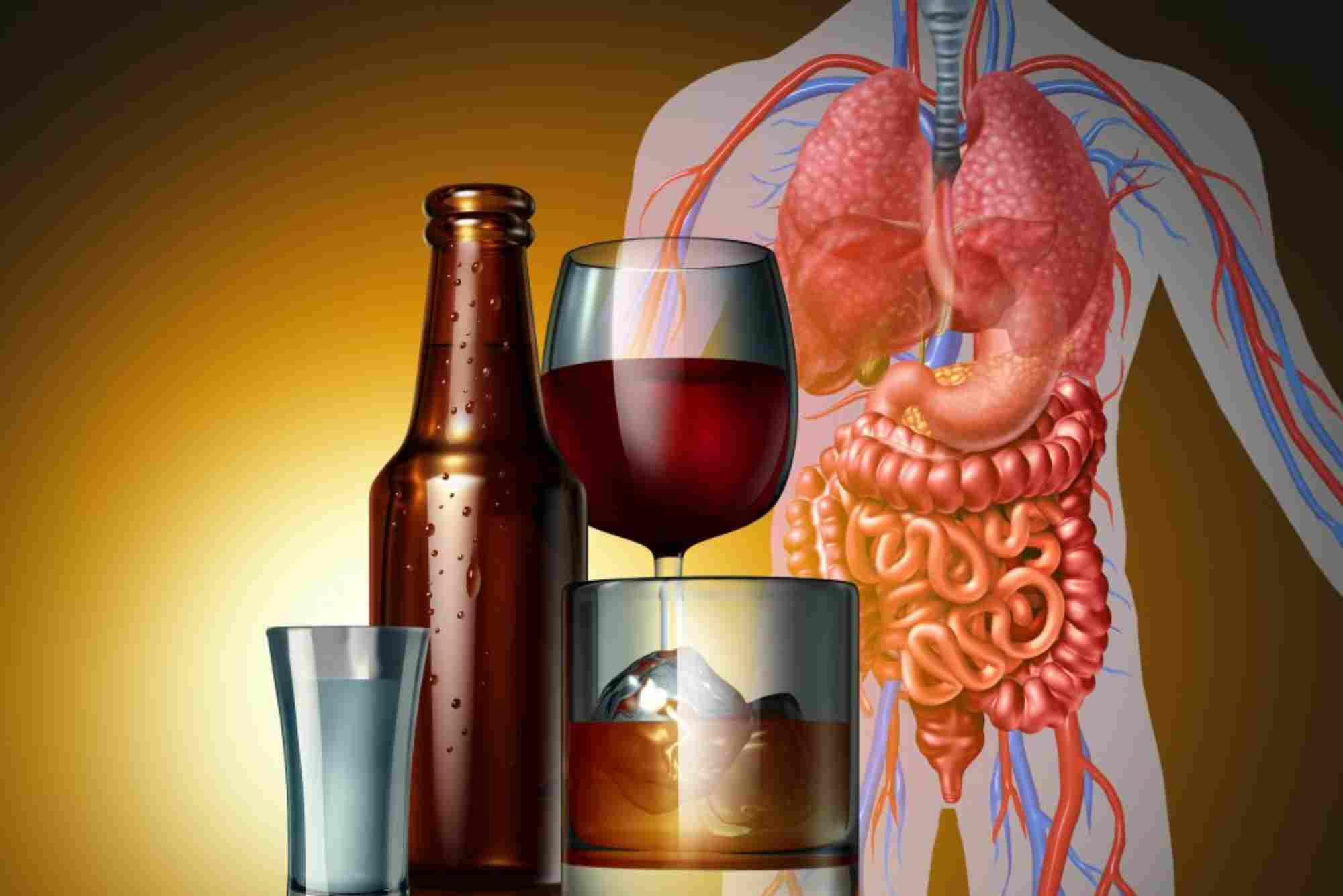
The term “moderate drinking” varies across countries and studies, but it generally refers to consuming alcohol in limited amounts that are unlikely to cause harm. For example, in the United States, moderate drinking is defined by the Dietary Guidelines as up to one drink per day for women and up to two drinks per day for men. A “drink” typically means:
- 12 ounces of beer (about 5% alcohol content)
- 5 ounces of wine (about 12% alcohol content)
- 1.5 ounces of distilled spirits (about 40% alcohol content)
Why Does Quantity Matter?
Alcohol health is highly dependent on how much is consumed. While heavy drinking and binge drinking are clearly linked to serious health problems, moderate consumption presents a more nuanced picture. Scientific studies often focus on moderate intake to explore whether any health benefits exist without incurring significant risks.
Potential Benefits of Moderate Alcohol Consumption
Cardiovascular Health
One of the most studied areas in alcohol health is its impact on the heart. Some observational studies have suggested that moderate alcohol intake, particularly of red wine, may lower the risk of heart disease. This is thought to be due to antioxidants like resveratrol and the effects of alcohol in raising “good” HDL cholesterol levels.
However, experts caution that these benefits do not apply to everyone, and they should not encourage non-drinkers to start consuming alcohol solely for heart health.

Improved Social and Psychological Well-being
Moderate drinking in social contexts may promote relaxation, reduce stress, and enhance social bonding. These effects can positively influence mental health and quality of life. However, the key word here is moderation; excessive drinking can lead to anxiety, depression, and other psychological issues.
Possible Diabetes Risk Reduction
Some research indicates moderate alcohol intake might improve insulin sensitivity, potentially lowering the risk of type 2 diabetes. Yet, these findings are mixed, and drinking should never replace proven diabetes prevention strategies like diet and exercise.
The Risks and Downsides of Alcohol
Liver and Digestive Health
Even moderate drinking can put stress on the liver, which processes alcohol toxins. Over time, this can lead to fatty liver disease and other complications. For people with pre-existing liver conditions, alcohol health risks increase significantly.
Cancer Risks
The International Agency for Research on Cancer (IARC) classifies alcohol as a Group 1 carcinogen. This means alcohol consumption, even at low to moderate levels, has been linked to increased risks of several cancers, including breast, liver, colorectal, and esophageal cancer.
Addiction and Dependency
Moderate drinking can sometimes escalate to heavier consumption, increasing the risk of alcohol use disorder. Individuals with family histories of addiction should be particularly cautious.
Impact on Sleep and Cognitive Function
While alcohol might initially help with sleep onset, it disrupts sleep quality and REM cycles, leading to fatigue and cognitive impairments. Long-term moderate drinking may affect brain health negatively.
What Do Guidelines Say About Alcohol and Health?
Health organizations worldwide offer slightly different guidelines but generally emphasize moderation or abstinence:
- The World Health Organization (WHO) warns against regular alcohol consumption due to cancer risks and other harms.
- The Centers for Disease Control and Prevention (CDC) highlights that some people should not drink at all, including pregnant women, those under the legal drinking age, and individuals with certain medical conditions.
- Some countries recommend low-risk drinking limits similar to the U.S., stressing that no level of alcohol is completely risk-free.
Balancing the Pros and Cons: What Should You Do?
Assess Your Personal Risks
Everyone’s health profile and family history differ. Before deciding on drinking habits, consider factors like age, genetics, existing medical conditions, and medications.
Don’t Start Drinking for Health Reasons Alone
If you don’t currently drink, health experts advise not to start solely for supposed benefits. Other lifestyle choices like a balanced diet, physical activity, and avoiding smoking have more proven effects on longevity and well-being.
Practice Mindful Drinking
If you choose to drink, aim to do so responsibly. Know your limits, avoid binge drinking, and never drink and drive. Pay attention to how alcohol affects your body and mood.
Understanding Alcohol Health Through Science
The relationship between alcohol and health is complex. Moderate drinking may offer some benefits, especially concerning heart health and social well-being, but it also carries significant risks like cancer and liver damage. The key is understanding these facts and making informed, personal choices.
If you have questions about your alcohol consumption or its health effects, consult healthcare professionals for tailored advice. Your health journey is unique, and responsible choices matter.
Want to learn more about how lifestyle choices impact your health? Explore our in-depth guides on nutrition, exercise, and wellness to make empowered decisions every day. Stay informed, stay healthy!
Frequently Asked Questions (FAQs)
What is considered moderate drinking?
Moderate drinking usually means up to one drink per day for women and two drinks per day for men, depending on national guidelines.
Does moderate drinking improve heart health?
Some studies suggest moderate alcohol can raise good cholesterol and reduce heart disease risk, but these benefits are not guaranteed and should not prompt non-drinkers to start.
Can moderate alcohol increase cancer risk?
Yes, even moderate consumption is linked to higher risks of certain cancers like breast and liver cancer.
Is it safe to drink alcohol during pregnancy?
No. Drinking during pregnancy can harm fetal development and should be avoided.
How does alcohol affect mental health?
While moderate drinking may reduce stress temporarily, excessive alcohol can lead to anxiety, depression, and addiction.