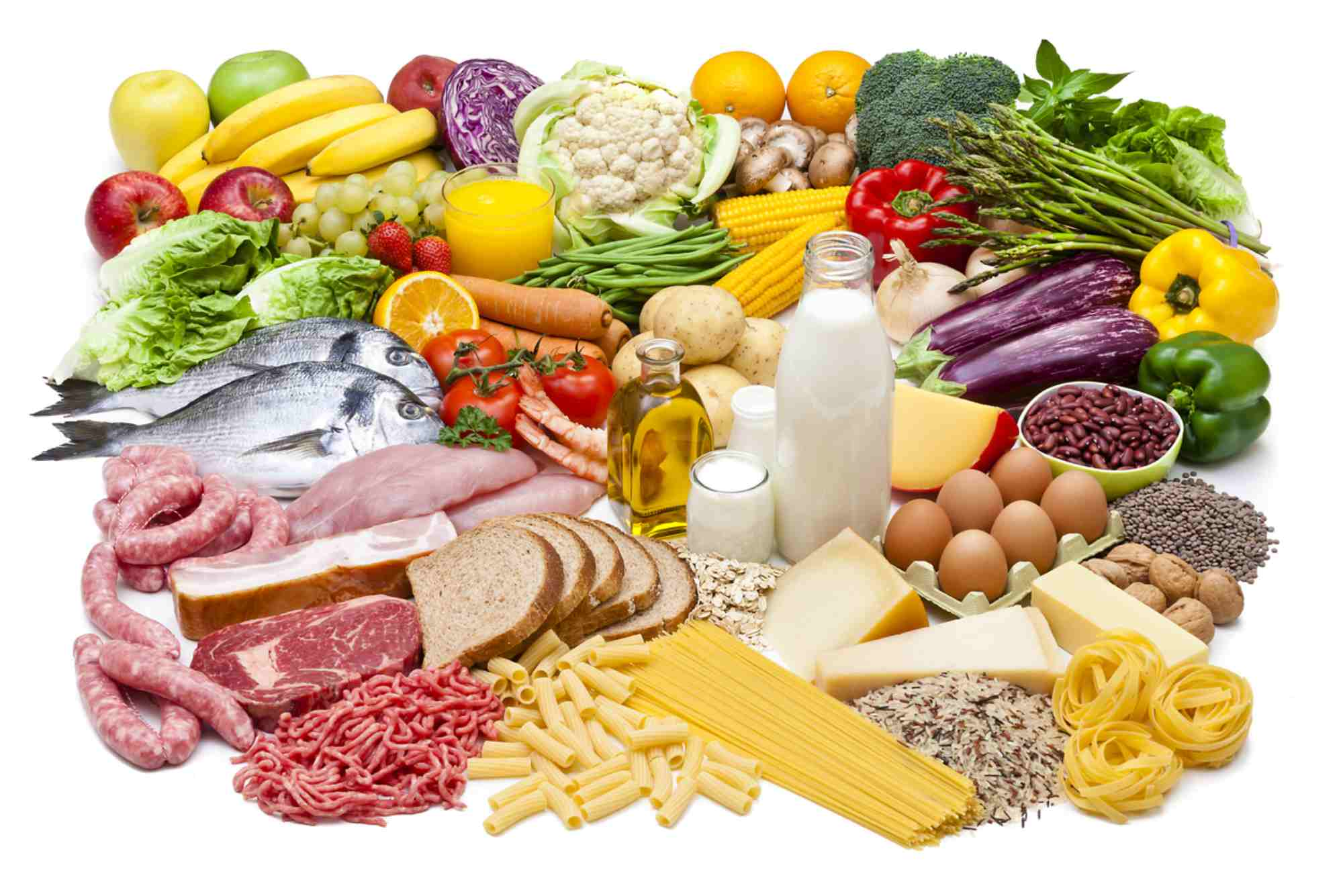
What Is Holozoic Nutrition? Process and Examples
Nutrition is a fundamental process that sustains life by providing energy and raw materials to living organisms. Among the various types of nutrition, holozoic nutrition stands out due to its complexity and prevalence among animals, including humans. But what exactly is holozoic nutrition? How does it work? And which organisms follow this nutritional mode?
Holozoic Nutrition
At its core, holozoic nutrition is a type of heterotrophic nutrition where organisms ingest solid and liquid food, internally digest it, absorb nutrients, and then assimilate them for energy and growth. Unlike autotrophic nutrition, where organisms make their own food through photosynthesis, holozoic nutrition depends on consuming other living or dead organisms.
The term “holozoic” is derived from Greek: “holo” meaning whole, and “zoic” meaning animal or living being. This term reflects that the organism consumes whole food items, which it then breaks down inside its body. It is the most common nutrition method among animals, including humans, and involves several coordinated steps to convert food into usable nutrients.
The Process of Holozoic Nutrition
Holozoic nutrition is not just about eating; it’s a multi-step process that ensures the organism extracts maximum benefit from its food. The steps involved include ingestion, digestion, absorption, assimilation, and egestion. Each phase plays a vital role in sustaining life.
Ingestion: Taking in Food
The first step in holozoic nutrition is ingestion, where the organism takes in food through the mouth or a similar opening. This step involves selecting and capturing food. For instance, humans chew food to break it down into smaller pieces for easier digestion. In other animals, ingestion might involve swallowing prey whole or filtering food particles from water.
Digestion: Breaking Down Food
Once ingested, the food undergoes digestion, where complex molecules are broken down into simpler forms. This process can be mechanical or chemical.

- Mechanical digestion involves physical breakdown like chewing or churning.
- Chemical digestion uses enzymes to break down proteins, carbohydrates, and fats into amino acids, sugars, and fatty acids, respectively.
This transformation makes nutrients small enough to be absorbed into the body.
Absorption: Nutrient Uptake
After digestion, the nutrients pass through the lining of the digestive tract into the bloodstream or body cells. This phase is critical, as it determines which nutrients the organism can use. For example, in humans, absorption mainly happens in the small intestine, where tiny finger-like projections called villi increase the surface area for efficient nutrient uptake.
Assimilation: Using Nutrients
Assimilation refers to how absorbed nutrients are incorporated into body cells to support metabolism, growth, repair, and energy production. The cells convert these nutrients into energy or use them to build new cellular components.
Egestion: Removing Waste
Finally, egestion is the process of eliminating undigested or unusable food materials as waste. This helps maintain internal cleanliness and balance. Organisms that practice holozoic nutrition often have a defined excretory system to handle this function.
Examples of Holozoic Nutrition
Understanding the process becomes clearer when we look at real-life examples of organisms that rely on holozoic nutrition.
Humans and Other Mammals
Humans are a classic example of holozoic nutrition. We consume a variety of solid and liquid foods — including plants and animals. The food is mechanically broken down by chewing, chemically digested by enzymes in the mouth, stomach, and intestines, absorbed, and assimilated for energy and bodily functions.
Other mammals such as lions, elephants, and rabbits also follow this pattern, although their diets and digestive systems vary. Carnivores like lions have sharp teeth for tearing meat, while herbivores like elephants have molars adapted for grinding plants.
Amphibians and Reptiles
Many amphibians and reptiles use holozoic nutrition. Frogs catch insects with their tongues and swallow them whole. Snakes consume entire prey, digesting it slowly over time. Their digestive systems are designed to handle this mode of nutrition efficiently.
Birds
Birds practice holozoic nutrition by feeding on seeds, fruits, insects, or even small animals. Their beaks are adapted to their dietary habits — for example, hawks have sharp beaks for tearing flesh, while parrots have strong, curved beaks for cracking nuts.
Insects
Certain insects, such as grasshoppers and beetles, use holozoic nutrition. Grasshoppers consume leaves and plant materials, digesting them internally to extract nutrients.
How Holozoic Nutrition Differs from Other Types
It’s important to distinguish holozoic nutrition from other nutritional types to fully understand its significance.
- Saprophytic nutrition involves feeding on dead organic matter by secreting digestive enzymes outside the body and absorbing the nutrients (seen in fungi).
- Parasitic nutrition involves deriving nutrients from a living host, often harming it.
- Photosynthetic or autotrophic nutrition allows organisms to produce food from sunlight and carbon dioxide (like plants).
Holozoic nutrition is distinct because it involves the active intake and internal digestion of food, usually in solid or liquid form.
Importance of Holozoic Nutrition in the Ecosystem
Holozoic nutrition plays a crucial role in ecosystems. Organisms practicing it help control populations by feeding on other species, contributing to energy transfer through food chains. They also assist in nutrient recycling by breaking down food and returning waste to the environment. Moreover, understanding holozoic nutrition helps in fields such as zoology, nutrition science, and ecology, offering insights into animal behavior, dietary needs, and environmental balance.
Holozoic nutrition is a fascinating and essential biological process. It allows organisms to consume whole foods, break them down internally, and absorb vital nutrients that fuel life. This nutrition mode supports the complexity and diversity of animal life on Earth. Whether it’s a lion hunting prey or a human enjoying a balanced meal, holozoic nutrition remains central to survival and health.
If you found this explanation helpful and want to learn more about biological processes, nutrition types, or animal physiology, stay tuned for more insights. Feel free to share your questions or thoughts in the comments below!
Common Questions About Holozoic Nutrition
Here are answers to some frequently asked questions that clarify common doubts:
What are the main steps of holozoic nutrition?
The main steps are ingestion, digestion, absorption, assimilation, and egestion.
Which organisms use holozoic nutrition?
Mostly animals including humans, mammals, birds, reptiles, amphibians, and some insects.
How does holozoic nutrition differ from saprophytic nutrition?
Holozoic nutrition involves ingesting and digesting food internally, while saprophytic nutrition digests food externally and absorbs nutrients.
Is holozoic nutrition necessary for all animals?
No, some animals like parasites or fungi have different nutritional methods.
Can humans have a purely holozoic diet?
Humans primarily depend on holozoic nutrition but can also digest liquids and absorb nutrients from other sources.