Understanding Health Hazards: WHMIS Examples Explained
Workplace safety is a top priority in any industry that deals with hazardous materials. One of the most important systems designed to promote safety in the workplace is WHMIS — the Workplace Hazardous Materials Information System. In Canada, WHMIS is the national communication standard for hazardous workplace chemicals. Among its various hazard classes, the Health Hazard classification is particularly important because it covers materials that can cause serious and long-term effects on human health. In this article, we will dive deep into the health hazard examples WHMIS outlines, helping you understand the types of risks involved and how to protect against them.
What is a Health Hazard in WHMIS?
WHMIS defines health hazards as substances that can cause adverse effects on a person’s body. These effects can be immediate, like skin irritation or breathing problems, or they may develop over time, such as cancer or reproductive issues. The health hazard classification helps employers, workers, and safety professionals identify dangerous substances and take appropriate precautions.
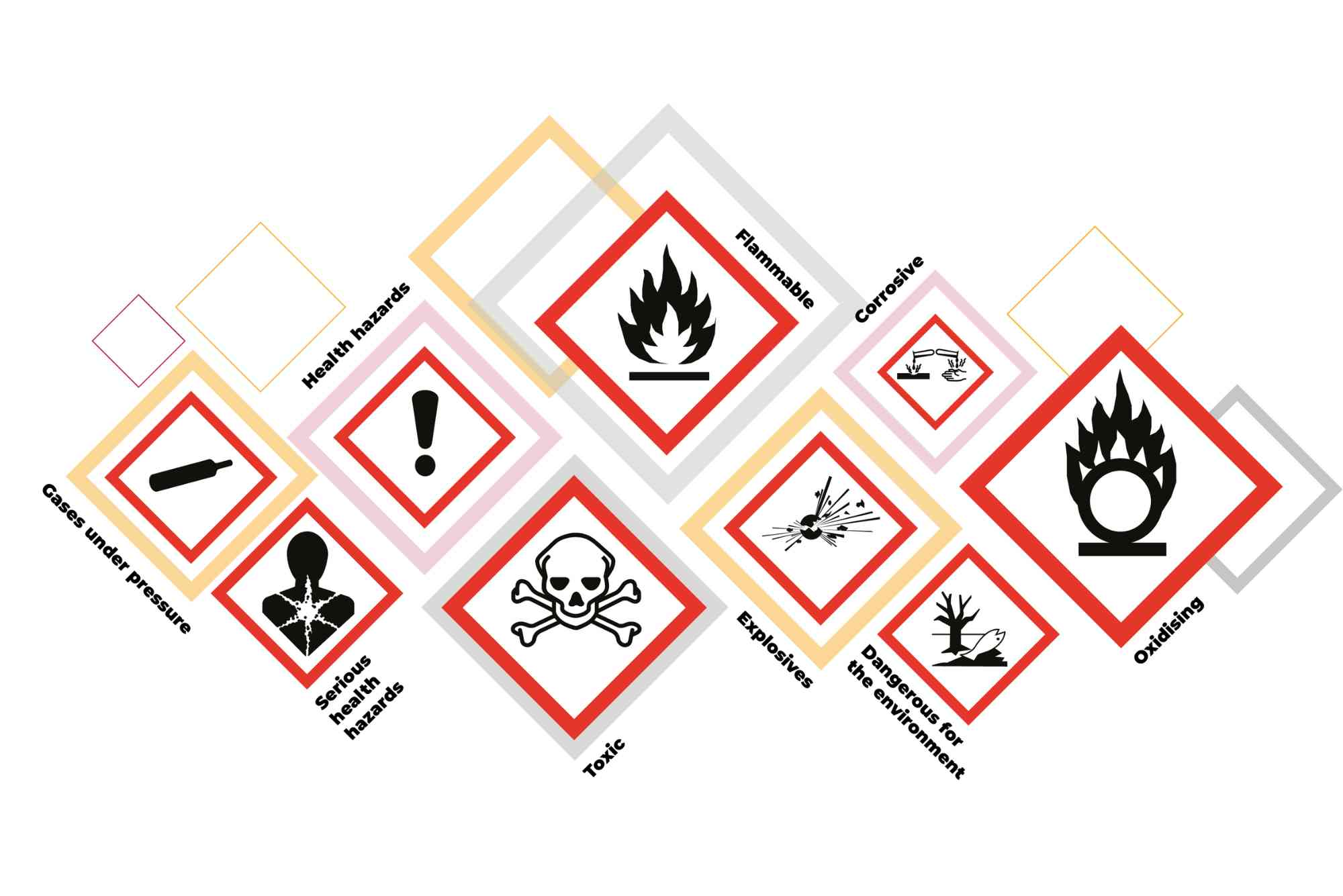
Materials in this category are labeled with a specific pictogram — a human silhouette with a star-shaped burst on the chest. This image symbolizes the internal health impacts a substance can cause. By recognizing this label, workers are alerted that a product has serious or chronic health risks.
Key Health Hazard Classes Under WHMIS
WHMIS categorizes health hazards into several sub-classes, each reflecting different types of health risks. These include carcinogenicity, reproductive toxicity, respiratory sensitization, skin corrosion, and specific target organ toxicity, among others. Each of these hazard classes comes with specific guidelines for safe handling and storage.
Understanding these subcategories helps identify not only what the risk is but also the kind of safety practices to use when working with these substances.
Common Health Hazard Examples WHMIS Covers
Many substances used in industrial, laboratory, or even household settings fall under WHMIS health hazard classes. For instance, formaldehyde is a common chemical that is both toxic and carcinogenic. It’s used in manufacturing and can cause both short-term irritation and long-term cancer risks.

Another example is lead-based paints or materials containing lead. Lead exposure, even at low levels, can severely damage the nervous system, especially in children and pregnant women.
Respiratory sensitizers like isocyanates are used in manufacturing foams and coatings. Inhaling these substances can cause allergic respiratory reactions, which may worsen over time with repeated exposure.
Reproductive toxins such as certain solvents used in dry cleaning or degreasing can affect fertility or harm an unborn child.
Acids and bases like sulfuric acid and sodium hydroxide, commonly used in industrial cleaning, are known to cause skin burns and permanent eye damage.
By knowing these health hazard examples WHMIS, workers can more easily recognize harmful substances and follow the proper safety measures.
Why Health Hazard Awareness Matters
Being aware of health hazards is not just about compliance — it’s about protecting your health and the health of those around you. Prolonged exposure to health hazards can result in long-term medical conditions, lost productivity, and in severe cases, disability or death.
Understanding the health hazard examples WHMIS outlines can drastically reduce risks. It encourages proactive behavior such as reading Safety Data Sheets (SDS), using personal protective equipment (PPE), and participating in safety training.
Employers also benefit from fewer workplace injuries, lower insurance costs, and increased employee morale when health hazards are well-managed.
How WHMIS Communicates Health Hazards
WHMIS uses a standardized labeling system and Safety Data Sheets to communicate health hazards. Each hazardous product comes with a label that includes signal words like “Danger” or “Warning,” hazard statements, and precautionary measures.
The accompanying Safety Data Sheet (SDS) provides detailed information about the product, including its ingredients, health effects, first aid measures, and protective measures. These documents are essential for both everyday handling and emergency response.
For example, an SDS for a product containing benzene — a known carcinogen — would detail its potential to cause leukemia, the need for proper ventilation, and instructions in case of skin or eye contact.
Preventing Health Hazards in the Workplace
Preventing exposure to hazardous substances begins with knowledge and continues with action. First, every employee should be trained on how to identify WHMIS labels and understand the health risks involved.
Next, workers should always wear appropriate PPE like gloves, goggles, respirators, or face shields depending on the product. Ventilation is also crucial, especially when working with volatile organic compounds (VOCs) or respiratory irritants.
Proper storage is another key component. Flammable or reactive materials must be kept in special containers or cabinets to prevent accidents. Spill kits and eye wash stations should be easily accessible in case of emergency.
Real-World Health Hazard Incidents
There have been numerous real-world cases where a lack of awareness or disregard for WHMIS guidelines led to serious health issues. In one example, a manufacturing worker developed chronic respiratory problems after prolonged exposure to a chemical solvent without using proper protective equipment. An investigation revealed the workplace had not adequately trained its staff in WHMIS hazard identification.
Another case involved lab technicians exposed to formaldehyde over time. Although they were aware the substance was hazardous, they underestimated the long-term risks and did not use respirators. Over time, multiple staff members developed symptoms consistent with chronic exposure, such as headaches, nausea, and respiratory issues.
These examples highlight why a clear understanding of health hazard examples WHMIS covers is vital.
WHMIS Training: An Essential Tool for Risk Reduction
WHMIS training is legally required in many industries across Canada. But beyond compliance, it serves as a powerful tool for risk reduction. Training typically covers reading labels, interpreting SDS information, understanding hazard pictograms, and proper emergency procedures.
It’s essential to update this training regularly. As new substances enter the market or as roles change within a company, workers should remain informed about the hazards they may encounter.
Employers should also reinforce WHMIS knowledge through posters, meetings, and regular safety audits. When workers understand the real dangers, they’re more likely to act responsibly and protect themselves.
The Role of Employers and Employees
Maintaining a safe work environment is a shared responsibility. Employers must ensure that hazardous products are correctly labeled and that SDSs are accessible. They should also provide PPE and ensure all employees receive proper WHMIS training.
Employees, on the other hand, must take an active role in their own safety. This includes reading product labels, wearing the recommended protective gear, and reporting any unsafe conditions. If a product is unlabeled or if a safety procedure is unclear, it is the worker’s responsibility to raise that concern.
Your Safety Depends on Knowledge
Understanding health hazard examples WHMIS defines is the first step toward creating a safer workplace. The more informed you are about these hazards, the more empowered you are to protect yourself and your colleagues.
Don’t wait until an accident happens to take WHMIS seriously. Review product labels, study Safety Data Sheets, and ask questions if something is unclear. Whether you’re an employee, supervisor, or safety officer, staying informed can prevent serious health problems down the road.
Take your WHMIS training seriously and refresh your knowledge regularly. Download the latest Safety Data Sheets, attend your workplace safety seminars, and be proactive about recognizing health hazards. Your future health could depend on the actions you take today.
Frequently Asked Questions
What are health hazards according to WHMIS?
Health hazards in WHMIS refer to substances that can cause physical damage to the body. These include carcinogens, respiratory irritants, skin corrosives, and reproductive toxins.
What is the health hazard symbol used in WHMIS?
The health hazard symbol is a silhouette of a person with a star-shaped burst on the chest. It indicates that the product can cause long-term health effects such as cancer or respiratory disease.
Can household products be classified as WHMIS health hazards?
Yes, some household products like bleach or paint thinners can fall under WHMIS health hazards due to their potential to irritate skin, eyes, or lungs. These should be handled with care, even outside the workplace.
How do I know if a product is a health hazard under WHMIS?
Check the product label and Safety Data Sheet. If it includes the health hazard pictogram, signal words like “Danger,” and statements about long-term health effects, it’s classified as a health hazard.
Why is WHMIS training important for workers?
WHMIS training teaches workers how to safely handle hazardous materials. It reduces health risks, improves emergency response, and ensures compliance with workplace safety laws.