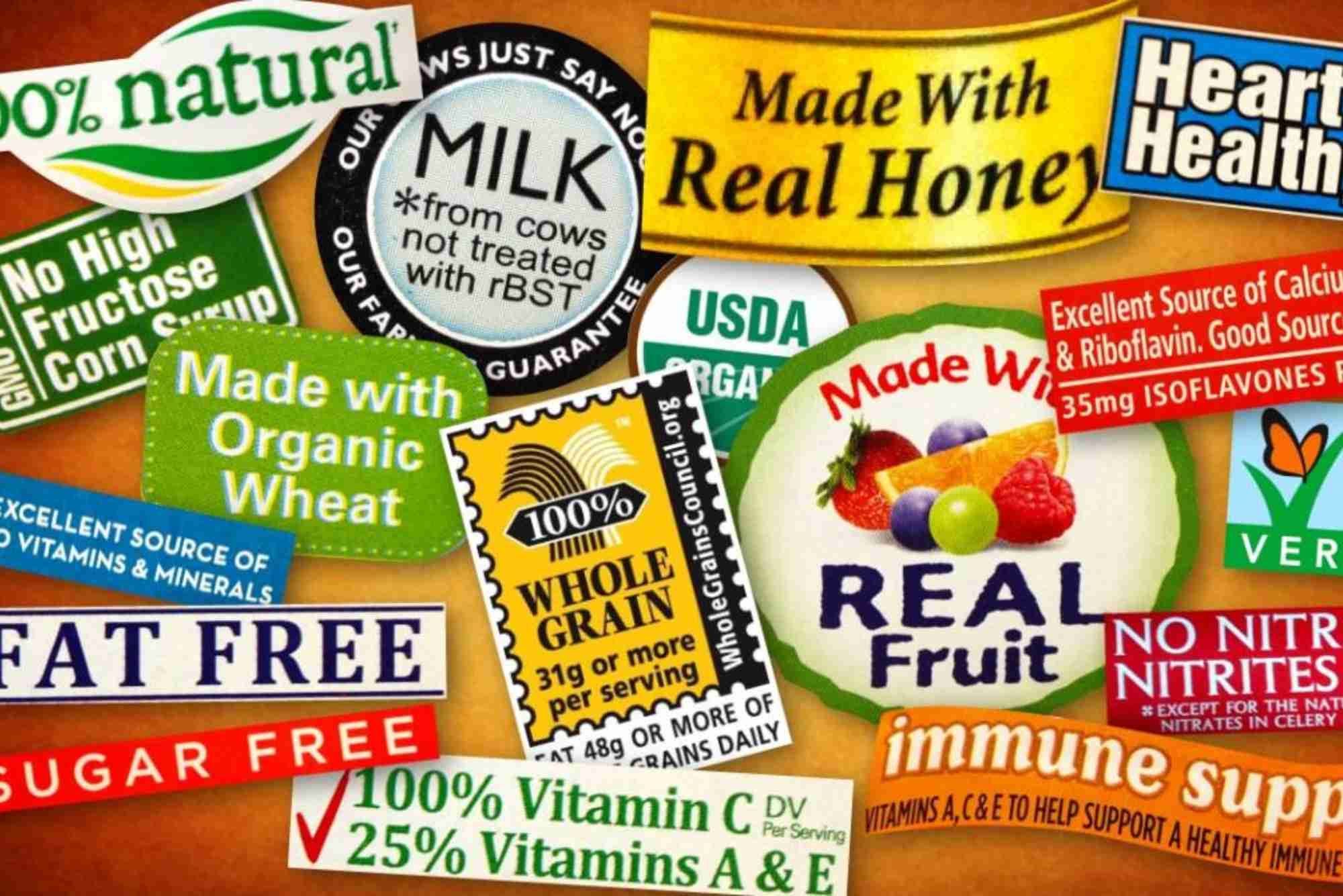
What to Look for on Health Product Labels
Navigating health product labels can be confusing, especially with all the buzzwords, marketing claims, and scientific-sounding ingredients. Whether you’re buying vitamins, supplements, protein powders, or skincare, it’s essential to know exactly what you’re putting into or onto your body. Understanding health product labels empowers you to make informed choices, avoid harmful additives, and select products that align with your health goals. In this guide, we’ll break down everything you need to look for on health product labels to make sure you’re getting quality, transparency, and safety.
Why Reading Health Product Labels Matters
Health product labels are more than just branding. They serve as a legal document that tells you what a product contains, how it should be used, and what benefits or risks it may offer. Misreading or ignoring these labels can lead to consuming harmful ingredients, wasting money on ineffective products, or experiencing unexpected side effects. With the global health and wellness market flooded with options, learning how to evaluate health product labels gives you a major advantage in protecting your wellbeing.
Understanding the Ingredients List
The ingredients list is one of the most critical parts of any health product label. It reveals the active and inactive components of a product. Ingredients are typically listed in descending order of quantity, which means the first few items make up the bulk of the product.
Recognizing Active Ingredients
Active ingredients are the ones responsible for delivering the product’s claimed health benefits. For supplements, this could include vitamins, minerals, or herbal extracts. Always check the dosage of each active ingredient to ensure it meets clinical standards. For instance, if a product claims to support immune health with Vitamin C, it should provide a meaningful dose—at least 200 mg per serving.
Identifying Fillers and Additives
Many health products contain inactive ingredients like preservatives, flavoring agents, and coloring. While some are harmless, others, such as artificial sweeteners, hydrogenated oils, or synthetic dyes, may be best avoided. Be on the lookout for common filler terms like “magnesium stearate,” “talc,” or “propylene glycol,” especially if you’re aiming for clean, natural products.
Decoding Supplement Facts and Nutrition Panels
Most health products, especially dietary supplements and functional foods, are required to have a Supplement Facts or Nutrition Facts panel. This section offers detailed information on nutrient content per serving and the percentage of the recommended daily value.

Serving Size and Dosage Clarity
Many people overlook the serving size listed on labels. If the serving size is two capsules and you only take one, you’re only getting half the intended dosage. Some companies list misleadingly low serving sizes to make their products appear more potent, so always match the dosage to your personal health needs or your healthcare provider’s recommendation.
Percent Daily Value (%DV)
The %DV helps you understand how much a nutrient in a serving contributes to your daily intake. If a supplement provides 100% DV of Vitamin D, that means it supplies the full recommended amount for an average adult. However, not all nutrients have a DV, and some products may contain amounts far exceeding the DV—sometimes unnecessarily or even dangerously.
The Importance of Certifications and Seals
Health product labels often feature logos and seals that indicate third-party testing or certifications. These can be helpful indicators of quality, safety, and ethical standards.
Non-GMO and Organic Labels
If you prefer natural and minimally processed products, look for USDA Organic or Non-GMO Project Verified labels. These indicate that the product meets specific agricultural and production standards and has avoided genetically modified ingredients or harmful pesticides.
Third-Party Testing and Quality Assurance
Certifications from organizations like NSF, USP (United States Pharmacopeia), or ConsumerLab signify that a product has undergone rigorous quality testing. These third-party checks confirm that what’s listed on the label matches what’s inside the product and that it’s free from harmful contaminants.
Marketing Claims vs. Scientific Backing
Health product labels are often filled with bold marketing terms like “clinically proven,” “doctor recommended,” or “fast-acting.” These can be misleading if not backed by real scientific evidence.
Spotting Red Flags
Be wary of phrases like “miracle cure,” “100% safe,” or “instant results.” These are usually marketing gimmicks rather than credible health claims. A product that promises to cure a chronic condition or deliver extreme results with no side effects should raise concern. Always seek scientific sources or consult healthcare professionals if a claim seems too good to be true.
Check for References and Studies
Some labels include references to scientific studies or clinical trials. Look closely to see if the studies are cited and accessible. Ideally, they should be published in reputable medical journals or conducted by neutral third-party institutions. If a product claims “clinically tested” but offers no specifics, it’s worth doing a little extra research before buying.
Allergen and Sensitivity Information
Food sensitivities and allergies are becoming more common, and health product labels should always be checked for potential allergens. Products may include allergen warnings like “contains soy,” “may contain traces of nuts,” or “gluten-free.” If you have dietary restrictions or medical conditions like celiac disease, this information is crucial for your safety.
Expiry Date and Storage Instructions
Often overlooked, the expiration date on health products can significantly affect their effectiveness and safety. Expired supplements may lose potency or develop harmful byproducts. Also, improper storage can degrade quality even before expiration. Always read and follow the recommended storage conditions, such as “store in a cool, dry place,” to preserve product integrity.
Sustainability and Ethical Practices
Health-conscious consumers often care about more than just their personal wellbeing. Many want to support brands that are environmentally responsible or socially ethical.
Cruelty-Free and Vegan Labels
Products labeled as cruelty-free have not been tested on animals, while vegan products contain no animal-derived ingredients. These labels help conscious buyers align purchases with their values. However, always verify if the label is from a recognized certifying body like Leaping Bunny or Vegan Society.
Eco-Friendly Packaging
Some health product labels highlight the use of recyclable or biodegradable packaging. While not directly related to product quality, this information can be a deciding factor for environmentally-aware consumers.
Reading Labels on International Products
If you’re buying imported health products, labeling laws may vary significantly from those in your country. Be cautious with products that have vague ingredient listings or non-standard labeling. Look for import certifications or translations provided by the seller. In some cases, these products may not meet your local health safety regulations.
Understanding health product labels isn’t just about reading fine print—it’s about protecting your health, budget, and values. Whether you’re looking for a vitamin supplement, herbal remedy, or protein shake, knowing what to look for can save you from disappointment or harm. By learning to decode labels and question marketing claims, you empower yourself to choose quality products that genuinely support your health goals.
Next time you’re shopping for health products, take a few extra minutes to read the label with a critical eye. If you’re ever in doubt, consult a qualified healthcare provider or nutritionist. Your health is worth it.
FAQs
What should I look for on a supplement label?
Look for the active ingredients, dosage, third-party certifications (like USP or NSF), serving size, and any allergen warnings. Also check the expiration date and storage instructions.
Is “natural” the same as “safe” on a health product label?
Not always. “Natural” is a loosely regulated term. Some natural substances can still cause side effects or interact with medications. It’s important to research each ingredient individually.
How can I tell if a product has been third-party tested?
Check the label for seals from organizations like USP, NSF, or ConsumerLab. These indicate that the product has been independently tested for purity and accuracy.
Are high doses of vitamins better than standard doses?
Not necessarily. In some cases, excessive amounts can be harmful. For example, too much Vitamin A can cause toxicity. Stick to recommended daily values unless advised otherwise by a healthcare professional.
Do organic supplements work better than non-organic ones?
Organic supplements may be free of pesticides and synthetic additives, but their effectiveness depends more on dosage, ingredient quality, and how your body absorbs them rather than the organic label alone.