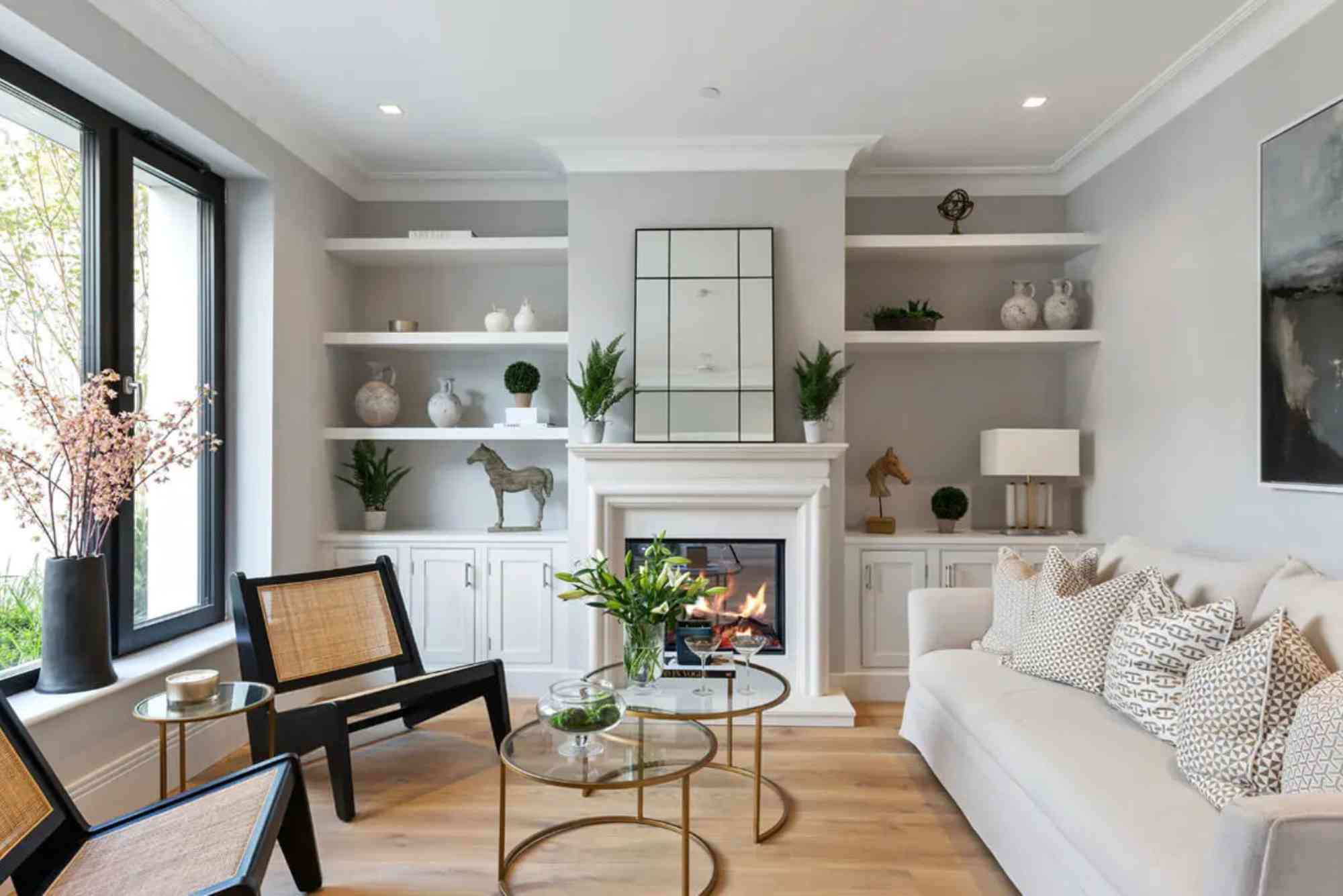
How to Decorate a Long Rectangular Living Room Like a Pro
Decorating a long rectangular living room can feel like solving a puzzle. The unusual proportions and narrow layout often make the space look awkward or uninviting. But with the right strategies and design choices, you can transform this challenging room into a stylish, functional, and cozy haven. In this guide, you’ll discover expert advice on how to decorate a long rectangular living room in a way that maximizes comfort, enhances flow, and brings visual harmony.
Long rectangular living rooms are common in many apartments and older homes, especially where the living space is shared with the dining area or a hallway. If not decorated thoughtfully, these rooms can look like hallways or feel too tunnel-like. To avoid these pitfalls, you’ll need a design plan that focuses on balance, proportion, and zoning—while reflecting your unique style. The secret to mastering how to decorate a long rectangular living room lies in understanding spatial perception. It’s about more than just putting furniture along the walls. It involves creating visual anchors, breaking the space into sections, and playing with light, scale, and flow.
Understanding the Space First
Before making any changes, study your room carefully. Measure the length and width. Take note of the windows, natural light, doorways, and any architectural elements that could either challenge or enhance the design. A long room might seem like a single large space, but visually, it can function better as a collection of smaller zones.
Think about how you want to use the room. Do you need a space for watching TV, reading, or entertaining guests? Clarifying your needs will guide your layout decisions and help you make purposeful design choices.
Zone the Room for Function and Flow
One of the most effective ways to decorate a long rectangular living room is to divide it into zones. This breaks up the linear feel and gives each area a distinct purpose.
For example, place a sofa and a media console at one end for your main lounging area. Use the middle portion for reading, perhaps with a pair of chairs and a small bookcase. At the opposite end, you could set up a work-from-home corner or a small dining area. These zones don’t need physical dividers—clever placement of furniture, rugs, and lighting can visually separate them.

Floating Furniture Works Wonders
Pushing all the furniture against the walls may seem like it opens up space, but in a long room, it can actually emphasize the narrowness. Instead, try floating your furniture. Pull the sofa forward and place a console table behind it. Use area rugs to anchor seating arrangements in the center of the room. This technique gives the room a more intentional layout and helps traffic flow naturally around the furniture.
Use Rugs to Define Each Area
Rugs are a powerful design tool when learning how to decorate a long rectangular living room. They help define different zones, provide visual boundaries, and add texture. Choose rugs that fit each section appropriately. For example, a large rug under your main seating area anchors the furniture and makes the space feel cohesive.
Layering rugs or using different rug textures can also add depth and warmth to a room that might otherwise feel too linear or flat.
Play with Lighting to Add Dimension
Good lighting elevates any space, but it’s especially crucial in a long room. You want to avoid creating a tunnel effect where the space looks dark at either end. The solution lies in using a layered lighting approach.
Combine ceiling lights with table lamps, floor lamps, sconces, or pendant lights. Use lighting to highlight each zone, drawing attention to focal points. For example, add a stylish chandelier over the main sitting area and a floor lamp in a reading nook. Dimmers can also help you adjust the mood depending on the time of day.
Think Horizontally and Vertically
To break up the long lines of the room, use both horizontal and vertical elements. Horizontally, you can install floating shelves or gallery walls that stretch across one side. Vertically, tall bookcases, floor-to-ceiling curtains, or vertical artwork draw the eye upward, giving the illusion of more height and balance.
Mirrors placed strategically can also reflect light and expand the visual width of the space. A large mirror on the side wall adds openness, while one at the end can give the impression of a longer or more dynamic space.
Choose the Right Furniture Scale and Style
Furniture scale is another key factor when exploring how to decorate a long rectangular living room. Oversized pieces can overwhelm the space and block natural movement. On the other hand, furniture that’s too small may look out of place.
Opt for medium-scale furniture that fits the room’s proportions. Modular sofas, armless chairs, and sleek coffee tables work well in narrow rooms. A sectional can work too—but place it carefully so it doesn’t cut off the room’s flow. Use furniture with visible legs to keep the space feeling light and airy.
Embrace Symmetry and Balance
Symmetry helps create visual order and harmony, which is especially useful in a room that may feel off-balance due to its shape. Pair armchairs across from each other, or use matching sconces on either side of a focal point like a fireplace or large artwork.
You don’t need perfect symmetry throughout. Aim for a balanced look—if you have a bulky piece of furniture on one side, counter it with something of similar visual weight on the other.
Use Color to Unify and Expand
Color can visually alter the perception of space. Lighter colors help expand and open up a narrow room. Whites, soft grays, creams, or muted pastels are excellent base shades for walls. You can introduce bolder colors through accents like cushions, throws, and decor.
Painting one end wall a deeper color than the others can create a focal point and reduce the feeling of a never-ending tunnel. This trick shortens the perceived length and gives the room a grounded center.
Add Architectural Interest
If your long living room lacks natural character, add architectural details to boost its charm. Wainscoting, panel molding, or faux ceiling beams can give the space more structure and visual breaks. Even a well-placed bookshelf or custom built-in can change the room’s entire tone and usability.
These elements help draw the eye across the room rather than along its length, which is essential when trying to tame the elongated shape.
Keep Decor Cohesive Yet Varied
Consistency is important in a narrow space, but that doesn’t mean you have to stick to one style or texture. Aim for cohesion by choosing a unifying color palette, but add variation through materials—think wood, metal, fabric, and glass.
Layering textures adds richness and depth. Mix soft upholstery with hard surfaces like glass tables, woven baskets, or metallic accents to keep the decor dynamic without overwhelming the space.
Make It Work for You
Learning how to decorate a long rectangular living room is about transforming its awkward shape into an advantage. By zoning the space, floating furniture, layering lighting, and playing with color and proportion, you can create a living room that feels balanced, beautiful, and personal. Each decision should be driven by how you want to live in and enjoy the space.Rather than fighting the layout, embrace it. Long rooms offer versatility and room for creativity—you just need the right approach.
Ready to transform your rectangular living room into a space that truly reflects your lifestyle and design goals? Start with one change today and build from there. Let your space grow with your vision.
FAQ
How do you arrange furniture in a long rectangular living room?
Float your furniture away from the walls, divide the room into functional zones, and use rugs and lighting to anchor each area. This helps break up the space and encourages a natural traffic flow.
Should you put a couch against the wall in a long living room?
Not necessarily. Pulling the couch away from the wall can help define a cozy sitting area and prevent the room from feeling like a hallway.
How do you make a long narrow living room look wider?
Use light colors on walls, incorporate horizontal design elements like shelves or wide artwork, and add mirrors to reflect light. Keep furniture low-profile to open up sightlines.
What’s the best way to divide a long living room into two spaces?
Use furniture placement, rugs, or open shelving units to visually divide the room. You can also vary the lighting and decor in each zone to give them distinct identities while maintaining overall harmony.
Is a sectional sofa a good choice for a long rectangular room?
Yes, but it needs to be sized correctly and placed thoughtfully. Position it to define a sitting area without cutting off the flow to other parts of the room.
Can I use bold colors in a long narrow living room?
Absolutely. Use bold accents or a feature wall to add interest. Just balance them with lighter tones to avoid making the room feel too closed in.