Thai Wall Art Decor Ideas That Bring Serenity Home
Bringing serenity into your home starts with the environment you create. One of the most beautiful and culturally rich ways to achieve that peaceful ambiance is through Thai wall art decor. This form of art, deeply rooted in Thai traditions, Buddhism, and nature, does more than beautify your walls — it invites calm, mindfulness, and spiritual energy into your living space.
From golden Buddha murals to hand-carved wooden panels, Thai wall art carries with it a sense of sacred tranquility. Whether you’re decorating a meditation corner, bedroom, or living room, the right Thai art piece can elevate your home and transport you to a world of harmony and timeless beauty.
The Essence of Thai Wall Art Decor
Thai wall art is inspired by Thailand’s vibrant culture, religion, and artistic legacy. Most pieces incorporate spiritual symbols, nature elements, traditional crafts, and intricate handwork. These artworks are not just decorative — they are meditative and meaningful. When you hang Thai art on your wall, you’re inviting a part of Southeast Asia’s rich history and serenity into your own space.
Art in Thai homes is often used to create a sacred atmosphere, encourage mindfulness, and promote well-being. Whether it’s a gilded depiction of the Buddha or a hand-painted silk scroll, Thai wall art decor speaks to both the soul and the senses.
Types of Thai Wall Art Decor to Consider
Buddha Wall Art: A Symbol of Peace
Buddha wall art is perhaps the most iconic Thai wall decor. Available in gold leaf paintings, metal reliefs, or carved wood, these pieces inspire inner peace and mindfulness. The presence of a serene Buddha face or figure adds a quiet stillness to any room, especially when used in spaces for meditation, yoga, or rest.
Choose a Buddha artwork where the face has a soft smile and closed eyes, symbolizing wisdom and enlightenment. The traditional Thai style of depicting the Buddha, with ornate headgear and flowing robes, offers elegance and grace.

Carved Teakwood Panels: Artisanal Heritage
Thailand is famous for its skilled woodworkers. Hand-carved teakwood wall panels are a hallmark of Thai wall art decor. These pieces often feature floral motifs, elephants, temple carvings, or mythological figures like Garuda and Naga. The depth and detailing in these artworks bring a rich, three-dimensional beauty to the wall.
Teakwood is highly durable and ages beautifully. A large carved panel above your sofa or bed becomes a bold statement of cultural appreciation and timeless design.
Thai Lotus Art: A Symbol of Enlightenment
The lotus flower is deeply symbolic in Thai and Buddhist art. It represents purity, rebirth, and spiritual awakening. Lotus-themed wall art, whether painted or embossed, brings a light, graceful energy into the room.
Choose soft watercolor lotus paintings for a modern, minimalist approach, or golden embossed lotus pieces for a more regal, traditional look. These are particularly soothing for bedrooms or quiet nooks in your home.
Thai Silk Wall Hangings: Rich and Regal
Thai silk is world-renowned for its sheen and texture. Wall hangings made of hand-woven silk, sometimes embroidered with gold thread or adorned with symbolic patterns, add a luxurious touch to any wall.
These tapestries often come in deep hues like crimson, gold, navy, or emerald, making them ideal for accent walls. Use them to introduce texture, cultural richness, and an elegant focal point in your décor.
Elephant Motif Art: Cultural Power and Protection
The elephant is Thailand’s national animal and a symbol of strength, protection, and wisdom. Thai wall art often features stylized elephant designs in metalwork, paintings, or fabric prints.
Elephant wall decor, especially when shown in pairs or in royal procession, brings good luck and positive energy. Placing such art near the entrance of your home or in a family room can promote harmony and resilience.
Right Space for Thai Wall Art Decor
Integrating Thai wall art decor into your home requires some thoughtful planning. These pieces carry cultural and spiritual significance, so their placement can influence how they are perceived and felt.
Living Room: Create a Cultural Focal Point
Your living room is where guests gather, so it’s the perfect place to showcase a large carved panel, a serene Buddha mural, or a vibrant silk hanging. Make sure the art is placed at eye level and is not cluttered by surrounding decor. Let it breathe, and allow its energy to spread through the space.
Bedroom: Infuse Serenity and Restfulness
For bedrooms, opt for soft-toned Buddha faces, lotus art, or calming natural scenes from Thai landscapes. Avoid overly bright or aggressive colors. Thai art in the bedroom should be restful, supporting relaxation and tranquility.
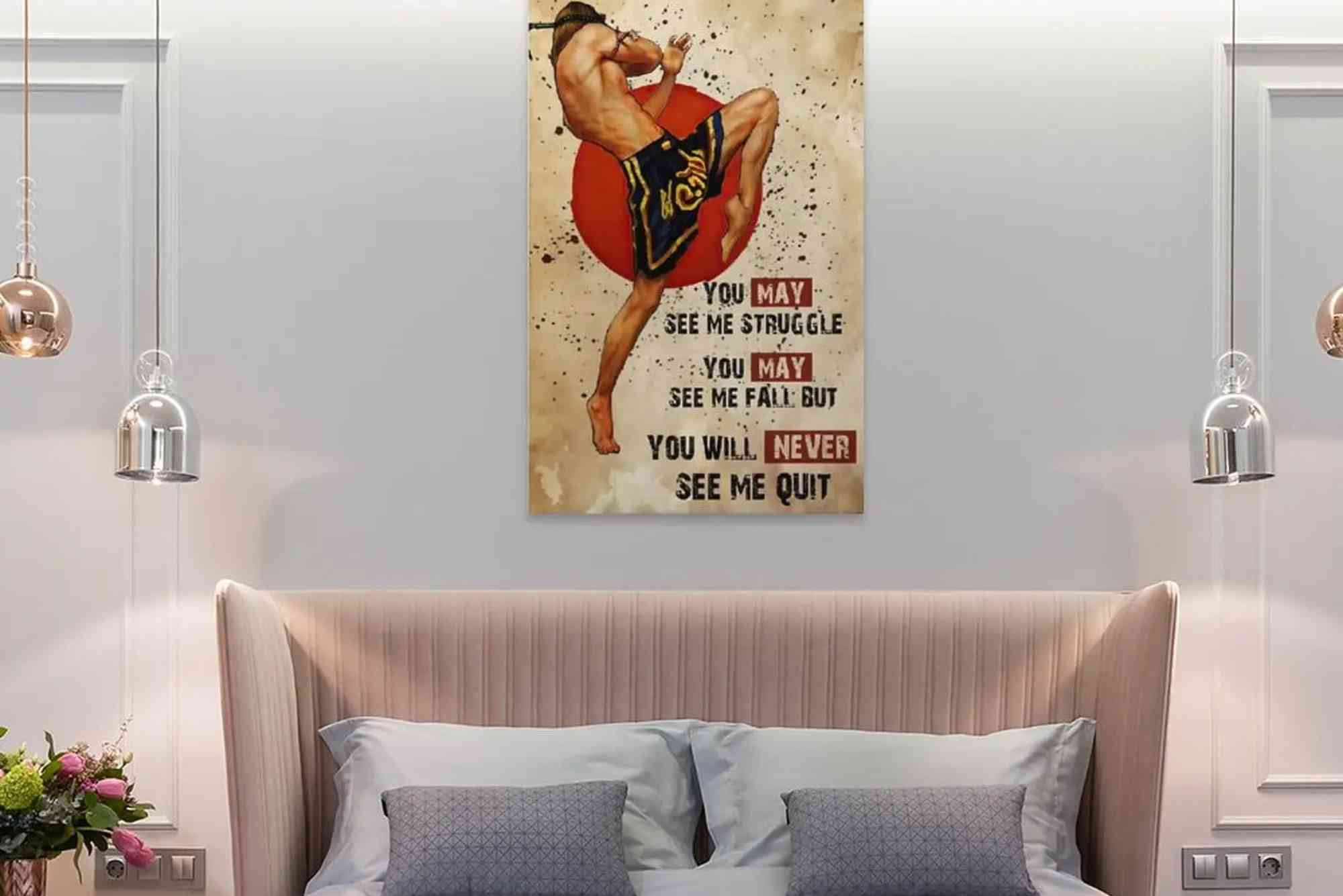
Place artwork above the bed or on a side wall where it can be admired without dominating the entire room.
Meditation or Yoga Room: Cultivate Mindfulness
If you have a meditation or yoga corner, Thai wall art is a must. This is the perfect space for gold-leaf Buddha portraits, mandalas, lotus symbols, and prayer scrolls.
Keep the surroundings minimal to let the artwork guide the energy. You may add soft lighting, incense, and cushions to complete the meditative vibe.
Entryway or Hall: Welcome Peace Into Your Home
Place a symbolic Thai artwork, like an elephant in procession or a protective guardian figure, near your entrance. It creates an instant impression of calm and culture. Plus, many believe these symbols bring blessings into the home.
Materials and Craftsmanship to Look For
Authentic Thai wall art decor stands out for its craftsmanship. Here are a few materials commonly used in traditional Thai wall pieces:
- Teakwood: Known for its strength and beauty. Used for carving detailed wall panels.
- Gold Leaf: Often used in Buddha art and temple-inspired pieces. Adds a spiritual glow.
- Silk: Handwoven and dyed, used in tapestries and hangings.
- Metalwork: Brass or bronze used in reliefs and symbolic art.
- Canvas Paintings: Acrylic or oil on canvas, often hand-painted by local Thai artists.
When buying, ensure the artwork is ethically sourced. Support artisans and sellers who collaborate with traditional craftspeople. Handmade Thai art carries the soul of its creator and the energy of centuries-old techniques.
Color Themes in Thai Wall Art Decor
Thai art often features bold yet balanced colors. Gold, red, maroon, green, and deep blue are frequently used, especially in spiritual art. These colors represent different elements in Thai and Buddhist symbolism.
Gold represents divinity and enlightenment, while red symbolizes vitality and protection. Lotus art often uses pale pinks and whites to convey purity. Choosing color schemes that harmonize with your interior will ensure that the art blends rather than clashes.
Why Thai Wall Art Decor Is Ideal for Modern Homes
Even in minimalist or contemporary homes, Thai wall art can be a striking addition. Its spiritual themes and organic materials balance well with modern furnishings. A carved panel can add texture to an otherwise plain wall. A golden Buddha piece can introduce calm to an industrial-style room.
Bring Thai Serenity Into Your Space
Incorporating Thai wall art decor into your home is more than a design choice — it’s a statement of peaceful living and cultural appreciation. These pieces breathe calm into chaotic spaces and remind us of the beauty of stillness and tradition.
Whether you’re drawn to the divine calm of Buddha art, the intricate carvings of teakwood, or the symbolic grace of the lotus, Thai wall art will enrich your home and spirit alike.
FAQs
What is traditional Thai wall art made of?
Traditional Thai wall art is often made from teakwood, silk, gold leaf, metal, and hand-painted canvas. Each material reflects aspects of Thai culture and craftsmanship.
Where should I hang a Buddha wall art piece?
It’s best to place Buddha wall art in a quiet, respectful area like a meditation room, bedroom, or living space. Avoid placing it directly on the floor or in bathrooms.
Can Thai wall art match modern interior design?
Yes. Thai wall art complements modern interiors beautifully, especially when used as a feature piece in a minimalist or neutral-toned room.
Is it okay to use religious Thai art for decoration?
Yes, as long as it’s displayed respectfully. Thai religious art, especially Buddhist themes, should be placed thoughtfully and not used in areas considered disrespectful.
What is the meaning of elephants in Thai wall decor?
Elephants symbolize strength, wisdom, and protection in Thai culture. They are also associated with royal heritage and spirituality.