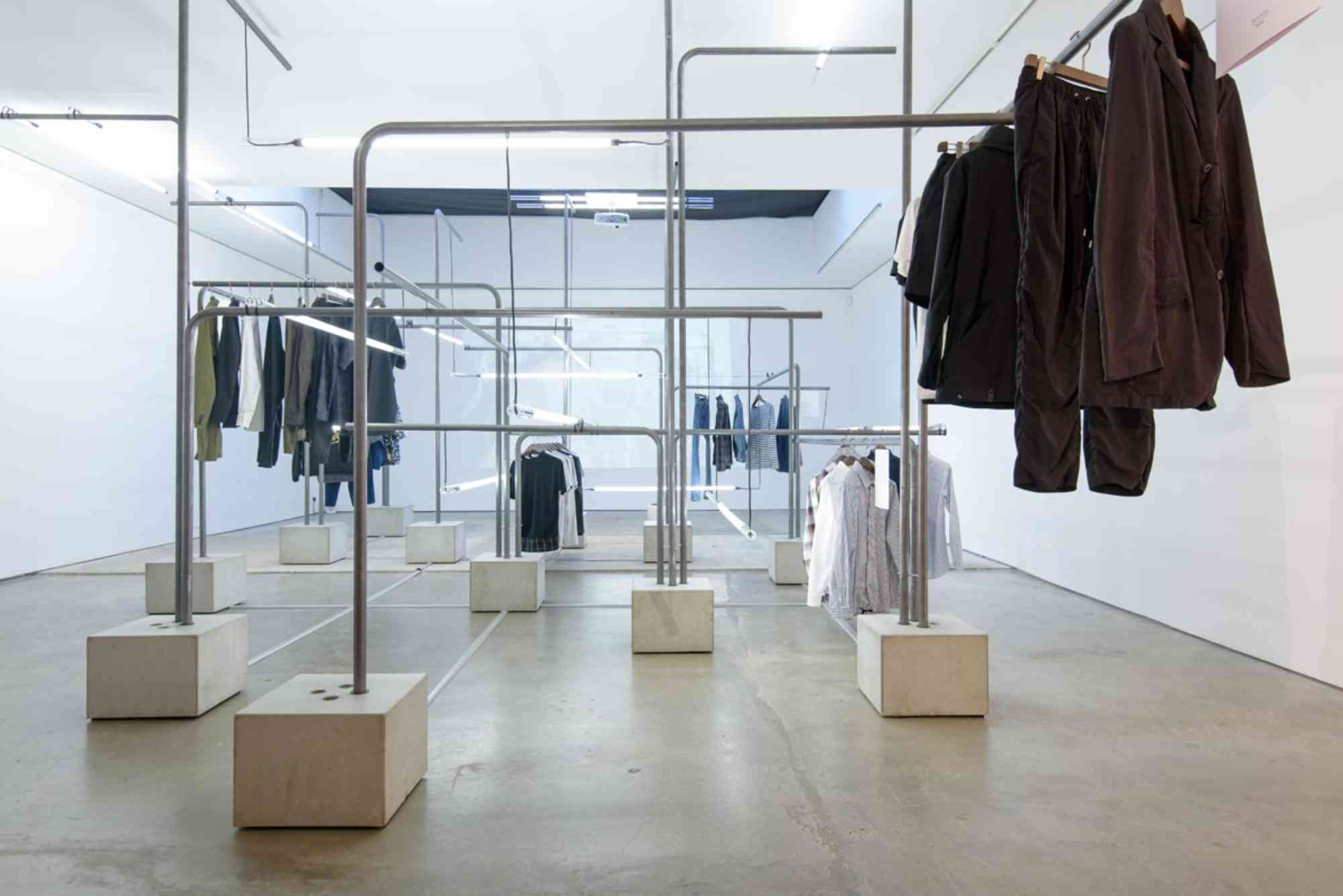
Setting the right retail price is more than just picking a number. It requires a balance of cost, customer perception, competition, and profit goals. For retail businesses, especially those using retail store hangers to display clothing or accessories, pricing strategy can directly impact sales volume and brand image.
This guide unpacks the core elements behind pricing: strategy, markup, and margin. You’ll also discover how store presentation tools—like retail store hangers—support those pricing efforts by enhancing perceived value.
What Is Retail Price?
Retail price is the final price a customer pays at checkout. It includes all costs incurred by the retailer plus a profit margin. This number isn’t chosen randomly; it’s a result of deliberate pricing strategy that takes production costs, market demand, and brand positioning into account.
When a shopper picks up a dress from a display of sleek retail store hangers, they subconsciously judge whether the price matches the product’s appearance. This is where visual merchandising complements pricing psychology.
Why Retail Price Matters
Pricing is the lifeblood of profitability. Too low, and your business struggles to break even. Too high, and you risk driving customers to competitors. When pricing aligns with consumer expectations and brand value, sales increase and loyalty grows.
Using well-displayed merchandise—neatly organized on durable retail store hangers—helps reinforce that perceived value, making the price feel justified.

Strategic Approaches to Retail Pricing
Cost-Based Pricing
This strategy starts with the cost of goods sold (COGS). You add a fixed percentage to ensure profitability. It’s simple and works well for standardized items.
Example: If a shirt costs you $20 and you apply a 50% markup, your retail price becomes $30.
Value-Based Pricing
Here, pricing is based on how much your customer believes the product is worth. This approach is ideal for premium brands or niche markets, where perception matters as much as function.
Presentation plays a big role. Displaying your garments using high-quality retail store hangers can elevate their perceived value, enabling you to charge more confidently.
Competitive Pricing
Retailers look at what similar businesses charge and price their items accordingly. While this may keep you competitive, it limits pricing flexibility and margin growth.
Understanding Markup
Markup is how much you increase your product’s cost to set the retail price. It’s calculated as a percentage of the cost.
Markup formula:
Markup % = (Retail Price – Cost) / Cost × 100
If you buy a handbag for $50 and sell it for $75:
- Markup = ($75 – $50) / $50 × 100 = 50%
A clear markup strategy ensures profitability and consistency. For boutique stores, maintaining visual consistency with items presented on matching retail store hangers helps support higher markups.
Understanding Margin
Margin shows the portion of the retail price that’s profit. It’s calculated as a percentage of the retail price.
Margin formula:
Margin % = (Retail Price – Cost) / Retail Price × 100
Using the same example:
- Margin = ($75 – $50) / $75 × 100 = 33.3%
Margins are essential for evaluating how much of your revenue goes toward covering business operations and profit. Retailers must monitor margins closely—especially those selling physical goods displayed in-store on retail store hangers—to stay sustainable.
The Role of Visual Merchandising in Pricing
Customers don’t just buy products—they buy experiences. Visual merchandising, including how products are hung, folded, or displayed, plays a huge role in purchase decisions.
Here’s where retail store hangers come in. Sturdy, branded, or uniform hangers can enhance the look of your store, making even modestly priced items feel premium. When customers perceive higher value, they’re less price-sensitive.
How to Align Pricing with Retail Store Presentation
Consistent Branding
Consistent use of matching retail store hangers gives your shop a cohesive look. This supports premium pricing, even in a competitive market.
Highlight Best Sellers
Use your hangers to display best-selling or high-margin items prominently. This improves visibility and boosts conversions.
Reinforce Premium Pricing
When customers see products carefully displayed—on wooden or velvet hangers—they associate them with higher quality. This primes them to accept higher prices with less resistance.
How to Calculate the Right Retail Price
- Determine Total Cost: Include COGS, shipping, taxes, and store overheads.
- Set Desired Margin or Markup: Based on your business goals.
- Check Competitors’ Prices: Stay competitive while offering added value.
- Review Visual Presentation: Is the product display supporting the price?
- Test and Adjust: Monitor sales data and adjust if needed.
If you’ve invested in high-quality retail store hangers and other visual tools, factor that into your perceived value and pricing decisions.
Pricing Mistakes Retailers Should Avoid
- Ignoring Overhead Costs: Rent, salaries, utilities—all these affect true profit.
- Underpricing New Items: Launch with value in mind; it’s easier to drop prices later than raise them.
- Inconsistent Pricing Strategy: Jumping between pricing methods confuses customers and hurts credibility.
- Poor Product Presentation: If your items aren’t presented professionally—say, on low-quality hangers—it undermines their value, regardless of price.
The Power of Retail Store Hangers in Profit Strategy
At first glance, retail store hangers may seem like a small detail. But they contribute significantly to the visual narrative of your store. A well-organized rack invites customers to browse longer and handle more items. That interaction boosts purchase intent, allowing you to command higher prices.
Whether you’re running a boutique, a department store, or a pop-up, your choice of hangers reflects your brand. Aligning product presentation with pricing reinforces trust and improves sales outcomes.
Pricing Is Part Math, Part Psychology
Retail pricing isn’t just about covering your costs and turning a profit. It’s about building trust, showing value, and encouraging repeat purchases. Smart pricing strategies—paired with thoughtful product presentation using retail store hangers—can give your business a clear edge.
Ready to elevate your store’s image and pricing strategy?
Upgrade your visual merchandising with premium retail store hangers and start pricing with confidence today.
FAQ: Retail Price Strategy and Display Tools
What is a good profit margin for retail?
A typical retail profit margin is between 30% and 60%, depending on the industry. High-end boutiques may aim for higher margins due to added brand value.
How do hangers affect retail sales?
Hangers help present clothes professionally. Quality retail store hangers improve perceived product value, making customers more willing to pay full price.
What’s the difference between markup and margin?
Markup is based on the cost price; margin is based on the selling price. Both are used to measure profitability but from different angles.
Should I invest in custom hangers for my retail store?
Yes. Custom or branded hangers enhance store aesthetics, strengthen your brand image, and support premium pricing.
How do I choose the right pricing strategy?
Consider your target customer, product value, competition, and brand goals. Align these factors with your overall business strategy.