Fashion Designer Clipart for Portfolios & Projects
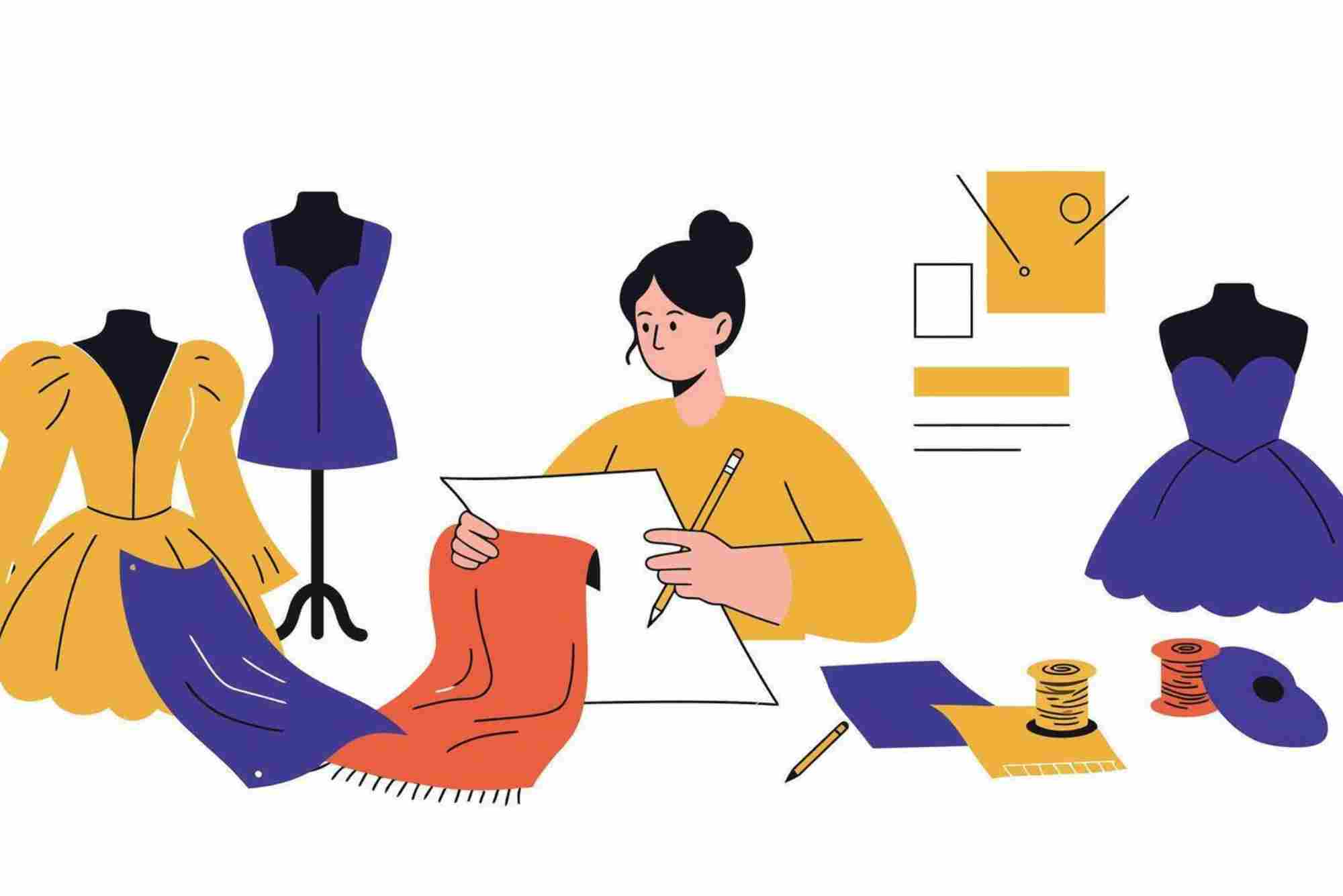
In the world of fashion, presentation is everything. Whether you’re a student, freelancer, or established designer, using fashion designer clipart in your portfolio or creative projects can take your visuals to the next level. From sketch-style silhouettes to colorful garment illustrations, clipart adds personality and professional flair to any design layout. In this guide, we’ll explore how fashion designer clipart can enhance your work, where to find high-quality resources, and how to use them effectively.
Why Fashion Designer Clipart Matters in Creative Work
Fashion design is a visual language. Clipart offers a way to communicate style, structure, and inspiration quickly. It’s especially helpful when you’re building digital presentations, portfolios, or mood boards. A well-placed illustration can do more than just fill space—it tells part of your design story.
Enhancing First Impressions with Visual Elements
When someone opens your portfolio, their first impression is often visual. Clipart, such as fashion poses, sewing tools, mannequins, and garment silhouettes, can guide the viewer’s eye and make your work feel cohesive. The visuals set the tone before a single word is read.
Saving Time Without Sacrificing Quality
Not every designer has time to create custom illustrations for every project. Fashion designer clipart offers ready-made solutions that save hours of work. Many are designed by industry professionals, making them high-quality assets suitable even for commercial use.
Supporting Concept Development
Clipart can also help communicate a theme or collection concept. Whether it’s a retro-inspired dress or futuristic garment design, using the right images helps viewers quickly grasp the inspiration behind your work.
Best Uses of Fashion Designer Clipart in Portfolios
Incorporating fashion designer clipart is more than just decoration—it should serve a purpose in your storytelling. Knowing where and how to use it can make all the difference.

Storyboarding Your Collection
Storyboard layouts are common in fashion portfolios. Using clipart such as human figures or outfit templates allows you to sketch directly over them. This saves time and ensures consistent proportions across your work.
Highlighting Technical Drawings
Adding clipart of zippers, buttons, and seams alongside your technical flats can enhance clarity. These visual cues help reviewers understand construction details without needing long descriptions.
Creating Digital Mood Boards
Mood boards set the tone for a collection. Clipart elements like fabric swatches, thread spools, or fashion runway silhouettes can visually anchor your design themes, helping to unify colors, textures, and moods.
Where to Find High-Quality Fashion Designer Clipart
Many designers ask, “Where can I find good fashion designer clipart?” Thankfully, a wide range of free and paid resources are available online. It’s important to choose quality visuals that align with your project’s tone.
Free Resources
Platforms like Freepik and Pixabay offer free downloads, though it’s essential to check for licensing terms. These resources are ideal for personal projects or academic portfolios where budgets are limited.
Premium Clipart Libraries
If you’re creating a professional presentation or working for a client, consider investing in premium clipart. Sites like Creative Market and Envato Elements offer curated illustrations with commercial use rights. You’ll often find clipart bundles specifically tailored to the fashion industry.
Niche Designer Portfolios
Some independent fashion illustrators sell clipart on platforms like Etsy or their own websites. These options often come with a unique, hand-drawn style that can add individuality to your project.
How to Choose the Right Clipart for Your Project
Not all clipart is created equal. To get the best result, select images that match the tone and purpose of your project.
Match the Aesthetic
If your collection has a soft, romantic vibe, go for pastel-toned or watercolor illustrations. For edgy streetwear portfolios, look for bold lines, graphic shapes, or urban textures.
Ensure File Compatibility
Choose clipart in file formats you can work with—typically PNG for transparency, or SVG for scalability. Avoid low-resolution JPGs, which can pixelate when resized.
Check Licensing Terms
This step is often overlooked but crucial. Always confirm whether the clipart is allowed for commercial use, especially if your portfolio is client-facing or monetized.
Fashion Clipart Trends in 2025
The fashion design world is evolving, and so is clipart. Staying updated with trends helps you keep your visuals fresh and relevant.
Diversity in Figures
There’s a growing demand for inclusive clipart featuring various body shapes, ethnicities, and gender expressions. Designers are embracing broader representations in their visuals.
3D-Inspired Illustrations
Some platforms now offer semi-realistic 3D fashion clipart. These can give your portfolio a more futuristic and digital-forward appeal, especially if you’re targeting tech-savvy fashion brands.
Minimalist and Monochrome Styles
Minimal line-drawings are still in trend, especially for minimalist portfolios. They keep the focus on your garments while still adding elegance to the layout.
Tips for Using Fashion Designer Clipart Creatively
It’s not just about inserting clipart—it’s about integrating it meaningfully into your work.
Combine with Hand-Drawn Sketches
Overlaying clipart with your hand-drawn sketches adds a personal touch. Use transparent PNG files to blend layers seamlessly.
Use as Background Texture
Subtle clipart can be used as repeating patterns or faint backdrops to give depth without distracting from your main content.
Pair with Typography
Matching your clipart style with the right fonts creates visual harmony. For instance, sleek vector clipart pairs well with modern sans-serif fonts.
Tools That Help You Edit and Customize Clipart
Once you’ve selected your clipart, editing tools help make them truly yours.
- Adobe Illustrator: Ideal for working with vector formats like AI or SVG.
- Canva: Great for beginners; offers drag-and-drop interface with custom clipart packs.
- Procreate: Excellent for those using iPads to hand-draw on top of clipart templates.
FAQs: Real User Questions About Fashion Designer Clipart
What is fashion designer clipart used for?
Fashion designer clipart is used to enhance design portfolios, mood boards, and client presentations. It adds visual clarity and creativity.
Can I use clipart in my fashion portfolio?
Yes, using clipart can improve the layout, storytelling, and visual impact of your portfolio, as long as you follow proper licensing terms.
Where can I get free fashion clipart?
Websites like Freepik, Vecteezy, and Pixabay offer a variety of free fashion-themed clipart for personal and limited commercial use.
How do I make my own fashion clipart?
You can create custom clipart using illustration tools like Adobe Illustrator, Photoshop, or even hand-drawing on paper and digitizing it.
Is using clipart considered unprofessional?
Not if used creatively and purposefully. Many professionals incorporate clipart to enhance presentations while keeping the focus on their original work.
Elevate Your Designs with Fashion Clipart
Fashion designer clipart is more than just a decorative element—it’s a tool that enhances communication, speeds up your workflow, and elevates the quality of your creative presentations. Whether you’re preparing a student portfolio or a professional proposal, incorporating the right visuals helps tell your story with confidence and style.
Ready to transform your portfolio? Start exploring top-quality fashion designer clipart today and give your fashion projects the visual edge they deserve.