Introduction
Fashion photography is one of the most glamorous yet misunderstood fields in the creative industry. Many people imagine a fashion photographer as someone who simply takes pretty pictures of models. While that’s partially true, the role goes far deeper. If you’ve ever asked yourself, what do fashion photographers do, the answer is more complex than just snapping photos. These professionals are visual storytellers, creative directors, branding consultants, lighting technicians, editors, and often mentors — all wrapped into one.
The Creative Foundation of Fashion Photography
At its core, fashion photography is about translating a designer’s vision into a compelling visual story. It’s not just about showing clothes; it’s about conveying mood, attitude, and brand identity. A fashion photographer must first understand the core concept behind a collection or editorial assignment. Whether shooting for a high-end magazine or a commercial lookbook, they must align their creative direction with the designer’s ethos.
This means moodboarding, location scouting, and building a team. Photographers often collaborate with stylists, makeup artists, models, and art directors. Everyone works together to ensure that the final image communicates the intended story. A skilled fashion photographer doesn’t just execute a shoot—they shape it.
The Technical Side of the Craft
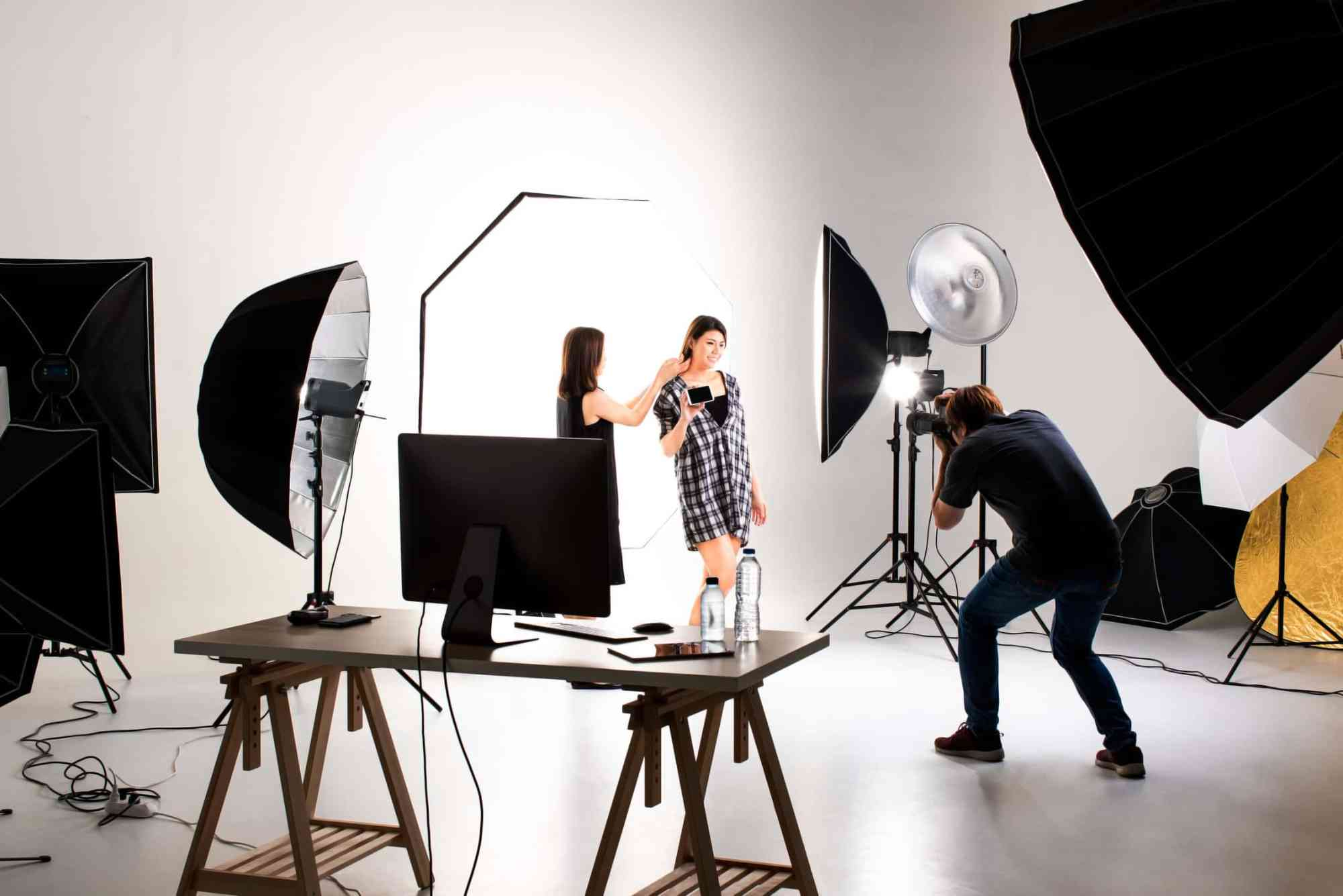
While creativity is essential, technical mastery is what brings a photographer’s vision to life. Fashion photographers must understand how to manipulate lighting, whether they’re using natural light outdoors or artificial studio setups. Knowing how light falls on fabric, highlights textures, and casts shadows is crucial in capturing the perfect shot.
Camera settings also play a vital role. The aperture, ISO, shutter speed, and lens selection must all be tailored to the context of the shoot. For example, a high-fashion editorial might require dramatic lighting and shallow depth of field, whereas a catalog shoot might need bright, uniform light to showcase the clothing clearly.
Post-production is another major part of what fashion photographers do. They typically spend hours or even days editing images. This includes color correction, retouching, removing distractions, and enhancing details without losing the integrity of the original image. Photoshop and Lightroom are industry-standard tools that every fashion photographer must master.

Working in Different Fashion Sectors
Fashion photography spans several niches, each with its own demands and challenges. Editorial photography, which appears in magazines like Vogue or Elle, is highly conceptual and often leans toward the artistic. These shoots tend to be narrative-driven, telling a story through a sequence of images. Photographers here have more creative freedom but also face high expectations from art directors and editors.
Commercial fashion photography, on the other hand, focuses on selling products. These images appear in e-commerce stores, advertising campaigns, and brand catalogs. The goal is to make the clothing or accessory look appealing and true to life. While creativity is still valued, commercial shoots are more structured and client-driven.
Lookbooks are another subcategory. These shoots highlight a brand’s seasonal collection and often blend editorial style with commercial goals. Fashion photographers working on lookbooks must strike a balance between aesthetic appeal and product clarity. They work closely with brand marketers to maintain visual consistency.
Behind-the-Scenes Responsibilities
Beyond taking photos, fashion photographers carry a wide range of responsibilities. One of the most crucial is casting. Photographers often select models who align with the brand’s vision or the story being told. They may attend casting calls or work with agencies to find the right talent.
Location scouting is another behind-the-scenes task. Depending on the theme, a shoot might require an exotic beach, an urban rooftop, or a minimalist studio. The location must complement the clothing and mood while being logistically viable.
Budget management also comes into play, especially for freelance photographers. They must allocate resources wisely, from renting equipment to paying assistants. Time management is equally critical. Fashion shoots often work under tight schedules, and delays can cost thousands. A seasoned photographer knows how to stay on track without compromising on quality.
Collaborating with Brands and Publications
Another important aspect of what fashion photographers do is building and maintaining relationships. Networking is essential in the fashion industry. Photographers often work with creative directors, editors, fashion designers, and publicists. Good communication skills and professionalism can lead to repeat work and referrals.
Many fashion photographers start as freelancers and gradually build a client base. Over time, they may sign with an agency or work in-house for a fashion brand or publication. Whether independent or affiliated, their ability to translate a brief into visual content that resonates with the target audience is what sets them apart.
Moreover, fashion photographers often pitch their own concepts to magazines or brands. This requires a strong portfolio, a clear vision, and persuasive presentation skills. Those who succeed often become trendsetters, influencing the visual direction of entire fashion seasons.
Evolving with Technology and Trends
Fashion photography is not static. Like fashion itself, it evolves with cultural shifts and technological advancements. In recent years, digital photography and social media have reshaped the landscape. Photographers must now consider how their images will appear on smartphones and social platforms.
Platforms like Instagram have democratized fashion photography, allowing emerging photographers to gain visibility without traditional gatekeepers. However, this also means increased competition. To stand out, photographers must not only produce beautiful work but also market themselves effectively online.
Some fashion photographers now shoot short-form videos and behind-the-scenes content to accompany still images. Others experiment with AI tools or augmented reality to push creative boundaries. Staying updated with tools, software, and industry trends is essential to remaining relevant.
Building a Personal Brand
In today’s digital age, being a fashion photographer also means being a brand. Many professionals curate a distinct visual style that becomes their signature. This may be seen in their use of color, composition, lighting, or storytelling.
Consistency across projects helps in brand recognition. It also builds trust among clients and followers. A strong personal brand often leads to opportunities beyond photography, such as directing, consulting, or even launching a fashion label.
Photographers must also maintain an online presence. A professional website, active social media accounts, and regular portfolio updates are necessary. Blogging, guest writing, or teaching workshops can further boost visibility and credibility.
The Emotional and Psychological Aspects
Fashion photography isn’t just technical and creative—it’s also emotional. Shoots can be stressful, especially when dealing with unpredictable weather, tight deadlines, or difficult clients. Photographers need resilience and problem-solving skills.
They must also create a positive atmosphere during shoots. This includes making models feel comfortable and confident. Emotional intelligence is a valuable skill that allows photographers to navigate team dynamics and build lasting relationships.
Moreover, fashion photographers often deal with rejection and criticism. Not every pitch gets accepted, and not every shoot goes as planned. Developing thick skin while remaining open to feedback is part of the job.
More Than Meets the Eye
So, what do fashion photographers do? They do much more than take stylish photos. They shape how fashion is perceived by the world. From conceptualization to execution, fashion photographers are storytellers, technicians, and entrepreneurs. Their work influences trends, builds brands, and captures culture in visual form.
If you’re inspired to step into this dynamic field, start by studying the craft, practicing constantly, and building a solid portfolio. Fashion photography is not just a job — it’s a creative journey full of learning, evolution, and expression.
Frequently Asked Questions
What qualifications do you need to be a fashion photographer?
You don’t necessarily need formal qualifications to become a fashion photographer, but having a degree or diploma in photography or visual arts can help. More importantly, a strong portfolio and practical experience are essential.
How do fashion photographers get started in the industry?
Most photographers begin by assisting established professionals or doing test shoots with models. Building a portfolio, networking, and reaching out to publications and brands are key steps to getting noticed.
Do fashion photographers edit their own photos?
Yes, most fashion photographers do their own editing or work closely with professional retouchers. They use software like Adobe Lightroom and Photoshop to enhance colors, remove blemishes, and perfect the final image.
How much do fashion photographers make?
Earnings vary widely based on experience, location, and reputation. Entry-level photographers may earn modestly, while top professionals can command thousands per shoot or even have long-term contracts with major brands.
Is fashion photography a stressful job?
It can be. Deadlines, client expectations, and creative blocks can cause stress. However, many photographers find the work fulfilling and thrive under pressure due to their passion for the craft.