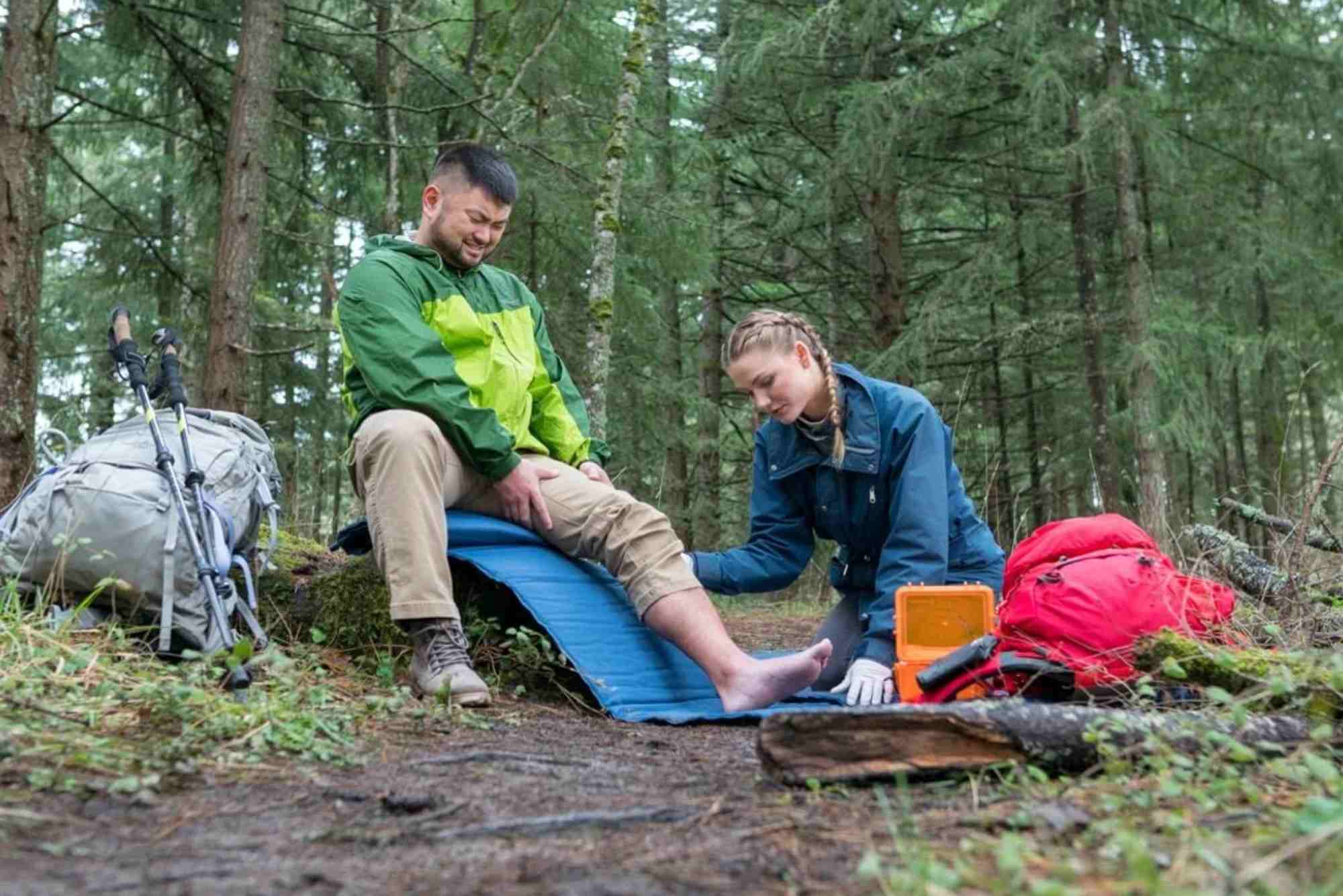
Nature has long been seen as a source of healing, peace, and rejuvenation. But what if it could be formally recognized and used to improve public health outcomes? Enter the Wilderness Health Zone initiative—a pioneering concept that blends environmental conservation with proactive community health strategies.
In this article, we’ll explore how this initiative works, its benefits, the science backing it, and what it could mean for the future of healthcare and land preservation.
What Is the Wilderness Health Zone?
The Wilderness Health Zone is a designated natural area that promotes physical and mental wellness through nature-based health interventions. These zones are often located in or near protected wilderness spaces and are managed to encourage low-impact human interaction.
They are not just parks or recreational areas. These zones are specifically designed with healthcare objectives in mind—whether it’s through guided walks, nature therapy programs, or educational outreach that connects people with the land.
The Purpose Behind Wilderness Health Zones
The initiative exists at the intersection of environmental stewardship and public health.
Bridging Health and Nature
The primary goal is to offer people access to the healing power of nature. Scientific studies increasingly show that spending time in nature can reduce stress, lower blood pressure, and improve overall mood. A wilderness health zone turns that science into action.

Conserving Natural Spaces
By emphasizing the health value of wilderness areas, these zones also create stronger arguments for protecting biodiversity and natural habitats. Health-focused designations can offer additional layers of legal and community support for conservation.
The Science Behind the Benefits
Multiple studies have confirmed that regular exposure to natural environments significantly benefits human health.
Mental Health Improvements
Natural environments lower cortisol levels—the hormone associated with stress. They also boost endorphins and improve cognitive clarity. Wilderness health zones offer structured settings to deliver these benefits, often through therapies like forest bathing or mindfulness in nature.
Physical Health Boosts
Walking trails, outdoor yoga, and other gentle physical activities common in wilderness health zones help improve cardiovascular health and muscle strength. Fresh air and natural light also play roles in boosting immunity and regulating sleep.
Where Are Wilderness Health Zones Being Implemented?
This concept is gaining traction globally. While some countries have formally adopted policies to designate wilderness health zones, others are piloting similar initiatives under different names. Programs in the U.S., Canada, New Zealand, and parts of Europe show that the concept is adaptable across different ecosystems and healthcare systems.
How Wilderness Health Zones Operate
Understanding the functioning of a wilderness health zone helps clarify its potential.
Strategic Partnerships
These zones are typically managed through collaborations between local governments, healthcare institutions, and conservation organizations. This ensures that both medical and environmental standards are upheld.
Programming and Access
Activities might include guided hikes, therapeutic gardening, outdoor rehabilitation, and environmental education. Some zones even offer referrals from physicians who “prescribe” nature-based therapy to patients.
Inclusivity
Efforts are made to ensure these zones are accessible to all—regardless of age, mobility, or background. Inclusive design features such as wheelchair-friendly trails, multilingual signage, and cultural programming help achieve this.
Challenges and Considerations
While promising, the initiative is not without its hurdles.
Funding and Maintenance
Creating and maintaining these zones requires consistent funding. Governments and stakeholders must invest in infrastructure, trained staff, and continuous program development.
Balancing Human and Environmental Needs
Too much human traffic can damage ecosystems. Effective management must balance accessibility with conservation.
Awareness and Participation
People may not be aware of the benefits these zones offer. Public education campaigns are vital to increase participation and support.
Real-Life Impact: Success Stories
Communities that have adopted the wilderness health zone model have reported measurable improvements.
In Scotland, for example, doctors in some areas now prescribe nature walks in local woodlands. Participants report lower stress and improved mood. In parts of the U.S., veteran groups using wilderness therapy have seen reduced PTSD symptoms and better social engagement.
How to Engage With a Wilderness Health Zone
If you’re near one, here’s how you can benefit:
- Join a guided program or nature walk
- Volunteer for conservation projects
- Talk to your healthcare provider about nature-based health options
- Advocate for local governments to support or create wilderness health zones in your region
Why It Matters More Than Ever
Urbanization, digital overload, and rising stress levels are affecting global health. At the same time, natural habitats are under increasing threat. The wilderness health zone initiative offers a timely solution to both problems.
It reminds us that human health and environmental health are deeply intertwined. When we protect and engage with the natural world, we don’t just save ecosystems—we improve our own well-being.
Frequently Asked Questions
What is a wilderness health zone?
A wilderness health zone is a natural area designed to promote health through nature-based activities, managed for both public health and environmental conservation.
Are wilderness health zones open to everyone?
Yes. Most are designed to be inclusive and accessible to people of all ages, physical abilities, and backgrounds.
Do you need a prescription to use a wilderness health zone?
Not usually. While some programs involve referrals from healthcare providers, most activities are open to the public without medical approval.
How do these zones differ from regular parks?
While parks focus on recreation, wilderness health zone emphasize therapeutic, structured activities with health outcomes in mind.
Can these zones help with mental health?
Absolutely. Studies support that time in nature improves mood, reduces stress, and enhances cognitive function—making wilderness zones ideal for mental health support.
Nature as Medicine
The wilderness health zone initiative is more than a buzzword—it’s a smart, science-backed approach to modern health and conservation challenges. It encourages us to see green spaces not just as luxuries but as necessities.