Introduction
Education in the 21st century is evolving rapidly. Teachers no longer rely solely on lectures or rote memorization. Instead, they are using innovative strategies like the problem solving method in education to prepare students for real-world challenges. This approach encourages critical thinking, creativity, and collaboration — skills essential for thriving in a complex world. In this article, we’ll explore how the problem solving method works in modern education, why it matters, and how it empowers students to become independent thinkers.
Understanding the Problem Solving Method in Education
The problem solving method in education is a student-centered approach where learners actively engage with real or hypothetical problems. Instead of passively receiving information, students investigate, analyze, and develop solutions. This shifts the teacher’s role from information provider to facilitator of learning. The core principle is that students learn more effectively when they solve meaningful challenges rather than memorize isolated facts.
Key Features of the Problem Solving Method
In modern classrooms, the problem solving method emphasizes inquiry, experimentation, and reflection. Students are encouraged to identify the root of a problem, gather information, brainstorm alternatives, and evaluate solutions. By doing so, they strengthen critical thinking skills, improve decision-making, and gain confidence in tackling unfamiliar issues.
Why It Matters in the 21st Century
Today’s world demands adaptability and innovation. Employers value individuals who can think critically, collaborate across disciplines, and find creative solutions. The problem solving method in education mirrors these demands, making it an indispensable teaching strategy. Students develop not just academic knowledge but also life skills like empathy, communication, and leadership.
How the Problem Solving Method Works in Modern Classrooms
From Teacher-Led to Student-Centered Learning
Traditional teaching methods place teachers at the center of instruction. In contrast, the problem solving method places students in the driver’s seat. Teachers design real-life scenarios or case studies and guide students as they explore potential solutions. This active participation helps learners understand concepts more deeply and retain knowledge longer.
Integration with Curriculum Goals
The problem solving method in education aligns well with modern curricula that emphasize competencies rather than rote memorization. For example, in science classes, students might investigate environmental issues; in mathematics, they might apply concepts to financial planning. This approach connects theory with practice, making learning meaningful and memorable.

Collaborative Learning Environments
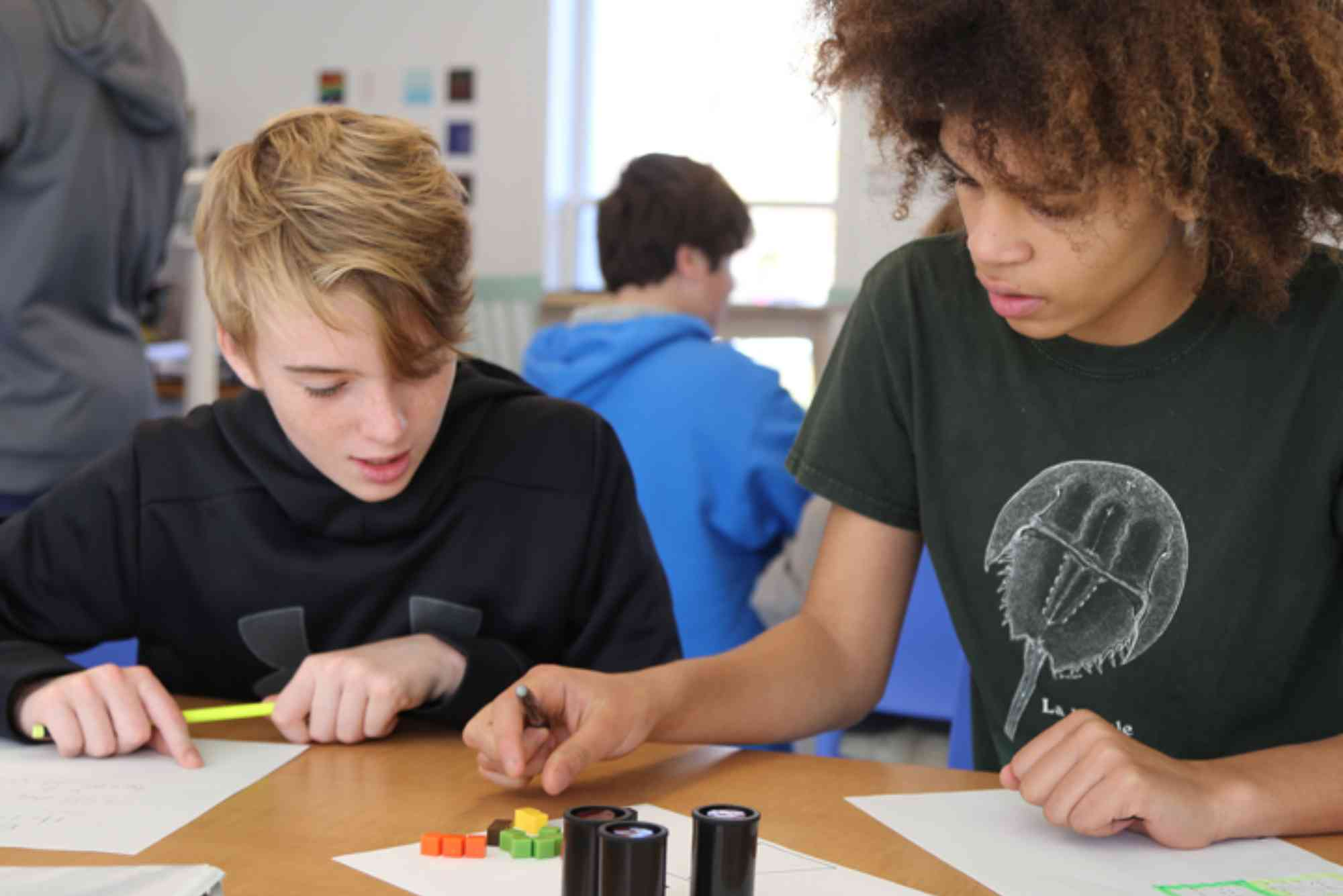
Another defining feature is collaboration. Students work in groups to share perspectives, discuss possible answers, and challenge each other’s ideas. This mirrors real-world teamwork, where diverse viewpoints lead to stronger outcomes. Teachers observe and guide rather than dictate, helping students stay on track without taking over the process.
Benefits of the Problem Solving Method in Education
Promotes Critical and Analytical Thinking
By confronting real-world problems, students learn to evaluate evidence, recognize patterns, and draw reasoned conclusions. These are the very skills required for success in higher education and professional life.
Improves Student Engagement
When learning feels relevant, students become more motivated. The problem solving method in education transforms lessons into interactive experiences. Students are eager to participate because they see a clear connection between classroom topics and the world outside school.
Encourages Lifelong Learning
Students trained in problem solving develop habits of inquiry and reflection. They are more likely to approach future challenges with curiosity rather than fear. This mindset supports lifelong learning and adaptability in a fast-changing world.
Builds Communication and Teamwork Skills
Since the approach often involves group work, students gain experience in presenting ideas, negotiating differences, and reaching consensus. These soft skills complement academic knowledge and prepare them for real-world success.
Practical Applications of the Problem Solving Method
STEM Subjects
Science, technology, engineering, and mathematics naturally lend themselves to problem solving. Students might explore how to reduce waste in their community, design an energy-efficient model, or program a simple application to address a local need. Through these projects, theoretical knowledge becomes tangible.
Humanities and Social Studies
The problem solving method in education also benefits subjects like history and social sciences. Students can analyze historical dilemmas, debate ethical questions, or propose policies for modern issues. This deepens their understanding of cause and effect and encourages empathy for diverse perspectives.
Early Education
Even in primary classrooms, simplified problem solving activities help children develop reasoning skills. Teachers can introduce age-appropriate challenges, such as building a simple structure or resolving a story conflict, to nurture creative thinking from an early age.
How Teachers Implement the Problem Solving Method
Creating Realistic Scenarios
Teachers design scenarios or case studies that mirror real-life challenges. This makes learning contextual and memorable. Students feel invested because they see the relevance of the task.
Guiding Inquiry Without Giving Answers
The teacher’s role is to facilitate rather than instruct directly. By asking open-ended questions and offering subtle hints, teachers encourage students to think independently and explore multiple solutions.
Reflecting and Assessing Outcomes
Reflection is a crucial step. After solving a problem, students review their process, evaluate results, and consider what they could improve next time. This deepens their understanding and builds resilience.
Challenges of the Problem Solving Method
While highly effective, the problem solving method in education requires time, preparation, and a shift in mindset. Teachers must design appropriate problems, manage group dynamics, and ensure assessments capture both process and outcome. Students accustomed to passive learning may initially struggle with the increased responsibility. However, with patience and support, these challenges can be overcome, leading to profound long-term benefits.
The Role of Technology in Enhancing Problem Solving
Technology has revolutionized how educators implement this method. Digital simulations, virtual labs, and collaborative platforms allow students to tackle complex problems without leaving the classroom. Online tools enable teachers to track progress, provide instant feedback, and differentiate instruction for diverse learners. Integrating technology makes the problem solving method in education more dynamic, accessible, and inclusive.
Long-Term Impact on Students
Students exposed to problem solving strategies are more likely to become proactive thinkers, innovators, and leaders. They are comfortable navigating uncertainty and devising creative solutions. This mindset extends beyond school into higher education, careers, and civic life. Ultimately, the problem solving method in education equips young people to contribute meaningfully to society.
Frequently Asked Questions (FAQs)
What is the problem solving method in education?
It is a teaching approach where students actively solve real-world or simulated problems, developing critical thinking and practical skills.
How does the problem solving method benefit students?
It improves critical thinking, collaboration, communication, and motivation, while connecting classroom learning to real-life situations.
How can teachers implement the problem solving method?
Teachers create realistic scenarios, guide inquiry, encourage reflection, and assess both the process and outcomes.
What subjects work best with the problem solving method?
Although particularly effective in STEM fields, the approach also enriches humanities, social studies, and even early education settings.
Is technology necessary for the problem solving method?
Not strictly, but technology can enhance the experience by offering simulations, collaborative tools, and instant feedback.
Transforming Learning Through Problem Solving
The problem solving method in education represents a powerful shift in how students learn. By moving beyond passive absorption of facts, it cultivates critical thinking, creativity, and resilience. This approach aligns with the demands of the modern world, preparing students not just for exams but for life.