Explaining the Four Pillars of Education Framework
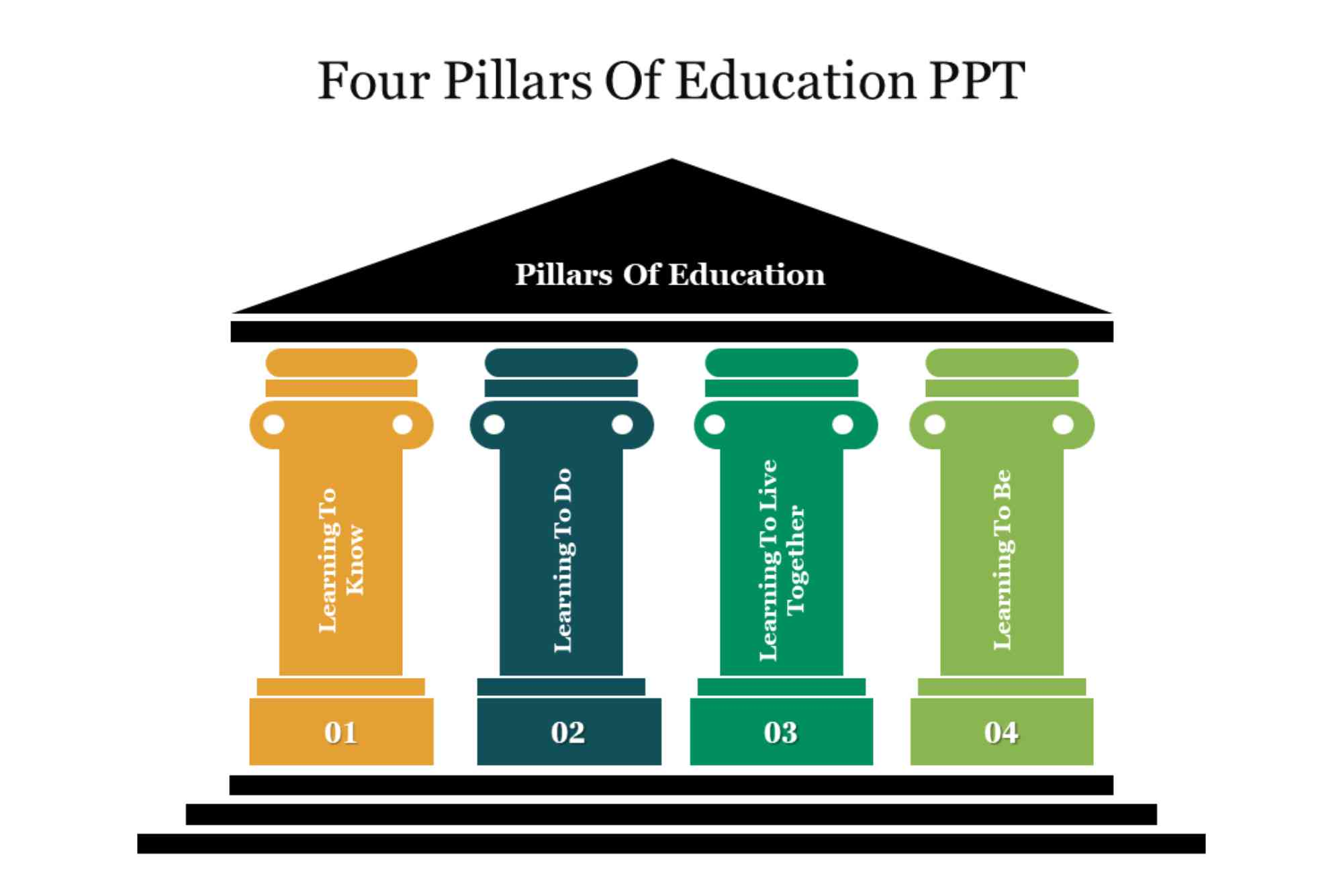
Education is more than textbooks, classrooms, or exams. It is the foundation that helps individuals grow, adapt, and thrive in an ever-changing world. To capture this holistic approach, UNESCO introduced the concept of the four pillars of education in the report Learning: The Treasure Within by Jacques Delors in 1996. This framework remains relevant today, guiding educators, students, and policymakers toward a more complete and meaningful vision of learning. These four pillars are: learning to know, learning to do, learning to live together, and learning to be. Each one addresses a unique dimension of human development, and together they form a comprehensive guide to lifelong learning.
Understanding the Four Pillars of Education
The four pillars of education were designed to prepare individuals not only for work but also for life as responsible citizens in a diverse society. They emphasize intellectual growth, practical skills, social harmony, and personal development. Unlike traditional approaches that focus only on academic success, this framework highlights the broader role of education in shaping the whole person.
Learning to Know
The first pillar, learning to know, emphasizes acquiring knowledge while also developing the ability to think critically. It is not simply about memorizing facts but about cultivating curiosity and a lifelong desire to learn. In today’s digital age, where information is readily available, the skill of learning to know goes beyond storing data. It means developing intellectual tools, critical thinking, and problem-solving abilities to navigate complex challenges. For students, this pillar encourages building a foundation in multiple subjects, fostering analytical skills, and understanding how different areas of knowledge connect. For adults, it translates into continuous education and keeping pace with technological and cultural changes. A practical example is how professionals upskill through online courses to stay relevant in evolving industries.
Learning to Do
The second pillar, learning to do, focuses on applying knowledge in practical ways. It is about developing the competencies, skills, and abilities needed to perform tasks and succeed in the workplace. But this pillar goes further than employability. It also emphasizes adaptability, creativity, and innovation in problem-solving. Learning to do prepares individuals to handle real-life situations, from teamwork in organizations to entrepreneurial ventures. In modern times, this also includes digital literacy, coding, communication, and collaboration skills. For instance, while a student may study mathematics in class, learning to do involves applying those mathematical concepts to design software, manage finances, or solve engineering problems. This pillar highlights the importance of experiential learning, internships, apprenticeships, and hands-on activities that build confidence and competence.
Learning to Live Together
The third pillar, learning to live together, addresses the social dimension of education. In a world marked by diversity, conflict, and globalization, the ability to coexist peacefully and respectfully is essential. This pillar encourages understanding others, respecting cultural differences, and promoting tolerance. It highlights empathy, dialogue, and cooperation as core values. Education under this pillar is not only about teaching social studies but also about building environments where collaboration and respect are practiced daily. For schools, it means group projects, cultural exchange programs, and fostering inclusivity. For societies, it translates into promoting peace, democracy, and human rights. In workplaces, learning to live together helps in creating diverse, inclusive teams that thrive on mutual respect. The need for this pillar is more urgent than ever in addressing issues such as discrimination, inequality, and global crises that require collective solutions.
Learning to Be
The fourth pillar, learning to be, focuses on personal growth and self-fulfillment. It is about developing the whole person — body, mind, heart, and spirit. This pillar emphasizes creativity, emotional intelligence, self-awareness, and ethical responsibility. Education here aims to help individuals discover their identity, values, and potential. It also nurtures independent thinking and the ability to make responsible choices. Learning to be is deeply connected to mental health, resilience, and the ability to find meaning in life. For instance, art, music, and literature classes help students express themselves, while meditation and mindfulness practices build emotional strength. At a broader level, this pillar ensures education does not only produce workers but well-rounded human beings capable of contributing positively to society.

Why the Four Pillars of Education Matter Today
In the 21st century, challenges like climate change, globalization, artificial intelligence, and social inequality are reshaping human life. Traditional education models focused only on exams and rote learning often fail to equip learners with the necessary skills and values to face these realities. The four pillars of education framework offers a solution by promoting balance between knowledge, skills, social responsibility, and personal growth. It addresses employability but also goes beyond it, preparing individuals to become lifelong learners and responsible global citizens. For policymakers, adopting these pillars means creating education systems that are inclusive, adaptable, and future-ready. For parents and students, it provides a roadmap for balanced development. For businesses, it highlights the importance of investing in training that develops not only technical expertise but also teamwork and ethical decision-making.
Real-Life Applications of the Four Pillars
These four pillars are not just theoretical ideas; they are visible in real-world practices. In schools, project-based learning represents “learning to do,” while group discussions encourage “learning to live together.” Higher education institutions that integrate ethics courses into technical degrees foster “learning to be.” Professional training programs, workshops, and lifelong learning platforms embody “learning to know.” The framework also guides non-formal education, such as community programs that promote cultural understanding or environmental awareness. Even at the level of international policy, the United Nations’ focus on Sustainable Development Goals aligns with the spirit of the four pillars, especially the emphasis on equality, peace, and lifelong learning.
Challenges in Implementing the Four Pillars
While the framework is powerful, implementing it faces several challenges. Many education systems still prioritize grades and standardized testing over holistic learning. In some regions, limited resources, teacher shortages, and outdated curricula make it difficult to embrace all four dimensions equally. Societal pressures, such as focusing on high-paying careers, may overshadow the importance of “learning to be” or “learning to live together.” Overcoming these challenges requires collective effort from governments, schools, parents, and communities. It involves redesigning curricula, training teachers, and adopting modern teaching methods that encourage collaboration and creativity.
The Future of Education and the Four Pillars
Looking ahead, the four pillars of education remain more relevant than ever. With artificial intelligence reshaping work, the emphasis on lifelong learning and adaptability is critical. As societies grow more diverse, the ability to live together peacefully becomes a necessity. As mental health challenges rise, personal growth and resilience are equally important. The future of education lies in embracing these four pillars not as separate goals but as interconnected pathways to building a better world.
Frequently Asked Questions
What are the four pillars of education?
The four pillars of education are learning to know, learning to do, learning to live together, and learning to be. They form a framework for holistic lifelong learning.
Why are the four pillars of education important?
They are important because they balance intellectual growth, practical skills, social harmony, and personal development, preparing individuals for life, not just work.
Who introduced the four pillars of education?
The concept was introduced by UNESCO in 1996 through the Delors Report, titled Learning: The Treasure Within.
How do the four pillars apply in daily life?
They apply in schools through interactive learning, in workplaces through collaboration, and in communities by promoting peace, inclusivity, and continuous self-improvement.
Are the four pillars still relevant today?
Yes, they are highly relevant, especially in addressing modern challenges like globalization, diversity, and the need for lifelong learning in a fast-changing world.
The four pillars of education provide a powerful vision of learning that goes far beyond the classroom. By focusing on knowledge, skills, relationships, and personal growth, this framework prepares individuals not only for careers but for meaningful lives. In a rapidly changing world, embracing these pillars ensures education remains a force for personal fulfillment, social harmony, and global progress. As parents, teachers, policymakers, or lifelong learners, we all have a role in putting these pillars into practice. If you want to build a brighter future for yourself or your community, start by embracing the four pillars of education today.