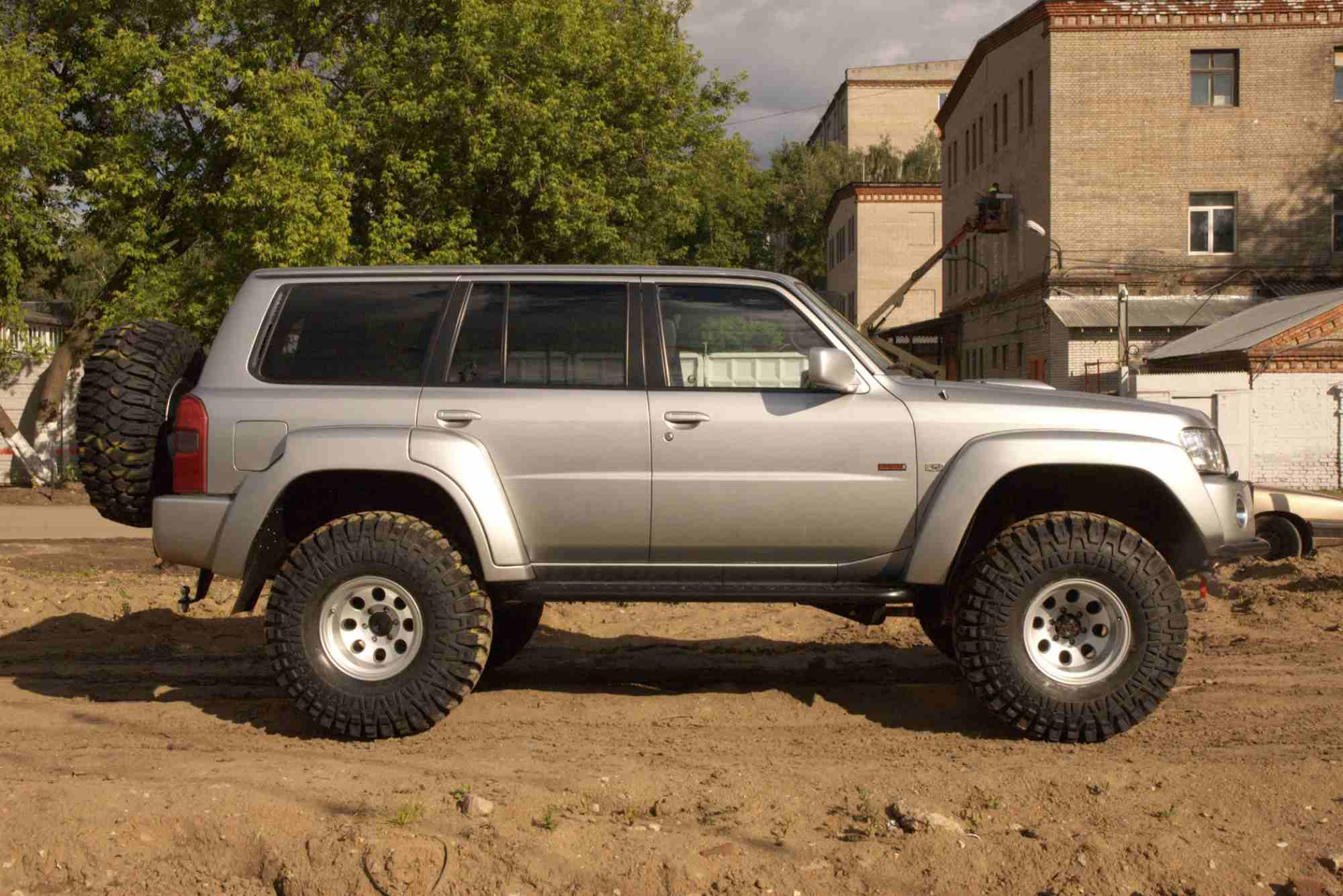
When you drive a rugged SUV like the Nissan Patrol, the right tire pressure makes all the difference. Whether you’re cruising in the city, conquering dunes, or towing heavy loads, maintaining proper tire pressure ensures safety, fuel economy, handling, and tire lifespan. In this guide, we’ll explore everything you need to know about Nissan Patrol tire pressure, including how it affects performance, what pressures are recommended, when to adjust, and answers to common questions.
Why Nissan Patrol Tire Pressure Matters
Driving the Nissan Patrol without the correct tire pressure can cause subtle and serious issues. First, underinflation leads to excessive heat in the tires. That increases risk of blowouts especially under high load or on unpaved roads. Second, overinflation reduces contact area with the ground. That lowers traction, reduces comfort, and may lead to uneven wear reserved only for the center tread. Proper balance protects you, your vehicle, and your tires.
Moreover, correct tire pressure improves fuel efficiency. When tires are too soft, more energy is wasted in flexing the sidewalls and tread. That means your engine works harder and burns more fuel. With the right air, the Patrol performs at its best, especially given its weight and engine power.
Recommended Nissan Patrol Tire Pressure
Factory Settings
The manufacturer’s tire pressure guidelines for the Nissan Patrol provide a baseline. These figures assume moderate load, normal driving conditions, and typical road surfaces. Although numbers may vary slightly depending on the model year or trim, the usual pressure is between 30 to 35 psi (pounds per square inch) when the tires are cold. This ensures the Patrol responds as intended by engineers.
Adjusting for Load and Conditions
Whenever the Patrol carries extra weight—passengers, luggage, or towing—you must raise tire pressure accordingly. Adding load increases vertical force on tires. Thus, bumping pressure by 2-5 psi helps distribute stress properly. Similarly, off-road driving, rough tracks, or sand demand slight adjustments. Driving inflation too low in such settings can risk sidewall damage or bead separation.
Temperature Effects
Tire pressure changes with temperature. As ambient temperature rises, so does internal pressure, roughly 1 psi for every 10°F (about 5–6°C). On cold mornings, pressure may drop noticeably. For consistency, always check pressure before driving when tires are cold—that means parked for several hours, not just after idle.

How to Measure and Maintain Proper Tire Pressure
Checking Tire Pressure
Begin with a reliable pressure gauge. Digital gauges tend to be more accurate than cheap dial or stick versions. Park your Patrol on a level surface and check when tires are cold. Remove valve caps, press the gauge firmly, and read the pressure. Don’t forget spare tire, as emergencies often call for it.
Inflating and Deflating
If pressure is low, use an air compressor or a service station pump. Inflate gradually, recheck, and adjust until you reach target. If overinflated, release air in small amounts. Better to aim slightly under than significantly over, because you can always add more air.
Regular Monitoring
Make it a habit to inspect tire pressure every few weeks. Also check before long trips or if driving through dramatically different terrain. Tire pressure monitoring systems (TPMS) help, but manual checks are still valuable. Ensure tires are clean and valve stems are tight. Pay attention to wear patterns; uneven tread wear often signals mis-pressure or alignment issues.
Effects of Low and High Tire Pressure
Consequences of Underinflation
Low pressure causes the sidewalls to flex more. That builds heat, reducing tire structure integrity over time. Handling becomes sloppy, braking distances increase, and steering feel degrades. In off-road conditions, low pressure may result in bead unseating or damage from rocks.
Consequences of Overinflation
Too much air means less rubber touches the road. That reduces grip and increases risk of slipping, especially in wet or loose terrain. Ride becomes harsh because tires absorb less shock. Also, the middle of the tread wears out faster. Overinflation can even stress suspension components.
How Various Driving Scenarios Affect Pressure Needs
Daily City Driving
In everyday driving, when loads are moderate and roads paved, stick close to factory recommendation. Usually about 32-35 psi. It delivers smooth ride, reliable handling, and good fuel economy.
Highway Travel
When cruising long distances and fixed high speed, the Patrol warms up and tire pressure increases. Starting slightly lower (e.g. 30-32 psi) then checking after several hours can help avoid overpressure. But don’t go below a level that compromises stability.
Off-Road and Uneven Terrain
On dirt, gravel, sand, and rocks, lower the pressure moderately so that tires flex over obstacles. That increases grip and improves comfort. But once you return to pavement, increase pressure again to avoid damage and uneven wear.
Towing and Heavy Loads
Pulling trailers or carrying heavy gear demands higher pressure. The extra weight strains tires. Raising pressure helps distribute load evenly, maintain handling, and avoid overheating.
Common Myths About Nissan Patrol Tire Pressure
“Higher Pressure Means Better Fuel Economy Always”
Not always. Though higher pressure reduces rolling resistance, too much causes loss of traction, poor handling, and excessive wear. As a result, long-term costs outweigh short-term fuel gains.
“All Tires in the Patrol Should Have the Same Pressure”
Front and rear may have different load distributions. Often the rear carries more weight when towing or hauling. Consequently, rear tires sometimes need slightly more pressure than front. Always follow manufacturer spec for each axle.
“TPMS Eliminates Need for Manual Checks”
TPMS is helpful—it warns you of major deviations. However, it may lag behind actual pressure changes under certain conditions. Regular manual checks ensure better performance.
Optimizing Tire Pressure for Performance and Safety
To get the best from your Patrol, take a balanced approach. Here are some expert tips:
- Begin by checking factory data in your owner’s manual or driver door jamb. Trust that as your baseline.
- Consider your load, terrain, and climate, then adjust pressure up or down in small increments.
- After adjustments, monitor handling, braking, fuel usage, and tire condition over a week. Adjust further only if noticeable downsides appear.
By doing so, you preserve tire life, maintain safety, and get the kind of performance the Nissan Patrol is capable of.
Proper Nissan Patrol tire pressure isn’t just about numbers. It’s about safety, fuel savings, comfort, and getting the most from your vehicle. Set your tires to the recommended level, adjust for load and terrain, and check regularly. Take care of your tires, and they’ll take care of you.
FAQ
What is the ideal tire pressure for a Nissan Patrol?
The ideal pressure is usually between 30-35 psi when tires are cold. Adjust slightly based on load or terrain.
How often should I check the tire pressure of my Patrol?
Check at least every two weeks, before long trips, and whenever load or weather changes significantly.
Will tire pressure affect fuel economy on a Nissan Patrol?
Yes. Underinflated tires waste fuel through increased drag. Proper pressure improves efficiency.
Can I overinflate tires on my Patrol if I want longer tire life?
Overinflation may reduce contact patch, cause uneven wear (middle of tread), harsher ride, and poorer grip. So no—it won’t extend life.
How should I adjust pressure when towing or carrying heavy loads?
Increase pressure by a few psi above the standard setting. Follow vehicle’s load-inflation chart if available to ensure safe margins.