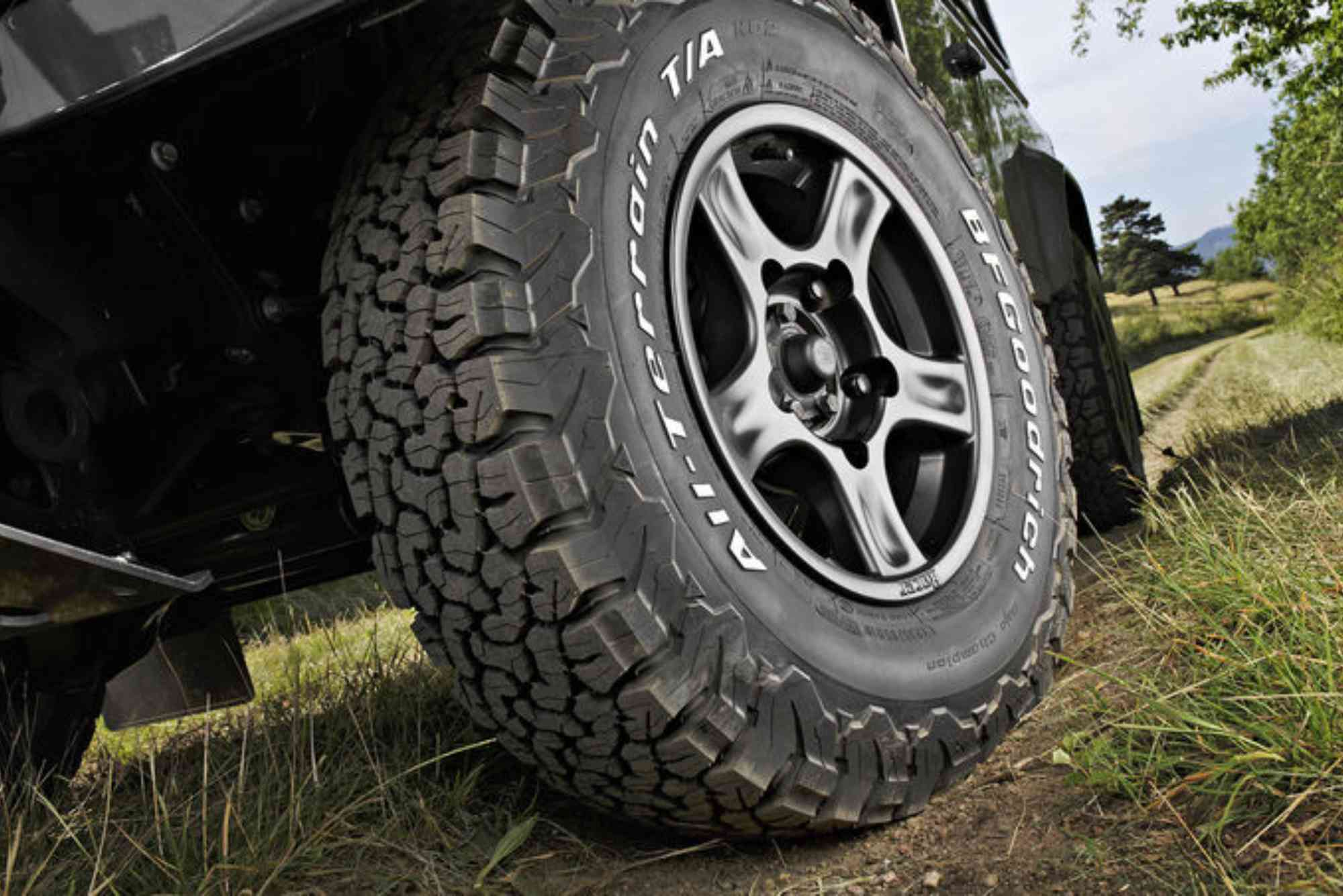
When you see 116S tire rating stamped on a tire, what does that really mean? For many drivers, those numbers and letters feel like jargon. Yet those markings hold essential information about safety, load capacity, and speed limits. Understanding the 116S tire rating helps you pick the right tires and drives with confidence. In this article, I will explain what 116S means, how it’s determined, why it matters, and how to choose tires with the correct 116S tire rating for your vehicle.
What Is the 116S Tire Rating?
The 116S tire rating is a label combining a load index and a speed symbol. It appears as part of the sidewall marking on most passenger, light truck, or commercial tires. The “116” indicates the tire’s load index, while the “S” refers to its speed rating.
Load Index: What “116” Means
Load index is a numerical code that corresponds to the maximum weight a tire can support when properly inflated. A load index of 116 usually means each tire can carry about 1,250 kilograms (roughly 2,756 pounds) under ideal conditions. This rating assumes the tire is inflated to its maximum recommended pressure and is used under standard operating conditions. In other words, if your tire is marked with 116, it should handle heavy loads safely up to that weight per tire.
Speed Rating: What “S” Means
The letter in the 116S tire rating defines how fast a tire can safely operate. “S” is a speed rating that corresponds to a maximum sustained speed. For “S,” that top speed is approximately 112 mph or about 180 km/h. This rating does not mean you should always drive that fast. Instead, it means the tire has been tested to retain structural integrity up to that speed. If you exceed that speed, you risk performance loss or tire failure. Combining load and speed ratings gives a fuller picture of capability — hence “116S.”
How Tire Manufacturers Determine 116S Tire Ratings
Manufacturers don’t just guess these ratings; they follow standardized testing and rigorous quality control. Various agencies enforce rules so tire buyers can trust the 116S tire rating.
Testing for Load Capacity
To verify the “116” load index, manufacturers perform load tests at different pressures. They simulate heavy loads and see how the tire behaves over time. They also measure sidewall deformation, heat buildup, and structural integrity. If a tire consistently meets the standard load requirements, the “116” index is approved.

Testing for Speed Capability
The “S” in the 116S tire rating comes from speed testing. A tire is run on a high-speed drum at the rated speed for a specified duration. The test monitors temperature, grip, and behavior at various conditions. The tire must meet stability and heat resistance criteria. Only then can it earn the “S” rating. Manufacturers may also test for braking performance and handling at speed, even though the rating focuses on sustained speed potential.
Why 116S Tire Rating Matters for You
Knowing the implications of the 116S tire rating can improve safety, performance, and longevity of your tires. It has practical effects on daily driving, load handling, and legal requirements.
Safety First
Using tires below your vehicle’s required load index can lead to overheating, blowouts, or sudden failure. If you install tires rated below 116 load capacity when your vehicle needs that load, those risks increase. Similarly, ignoring the speed rating component “S” may cause sidewall stress, uneven wear, or loss of control if you push the speed envelope.
Matching Vehicle Requirements
Your owner’s manual or vehicle placard often specifies minimum load and speed ratings. If it calls for a 116S tire rating, using anything lower may void warranties or fail inspections. When hauling, especially on work trucks or heavy payloads, that 116 load capacity ensures your tires support the necessary weight. When driving at highway speeds, the “S” rating ensures you stay within safe performance parameters.
Implications for Tire Selection and Maintenance
Choosing tires with a 116S rating means you get the strength and speed capability suited for heavier vehicles or those that occasionally carry heavy loads. But you must maintain correct inflation, monitor tread wear, and check for damage. Even the strongest 116S tire can fail if underinflated, overloaded, or damaged. Regular inspections and rotation protect the integrity of the rating in daily use.
Differences Between 116S and Other Ratings
The 116S tire rating is only one point along a spectrum. Other load indexes and speed ratings exist, and understanding differences helps when alternatives are considered.
Comparing Load Indexes
Load indexes run from lower numbers (e.g. 75, 80, 100) up to higher ones (over 120). A load index of 116 means far greater capability than many standard passenger tires. If you substitute a tire rated 110 instead of 116, its weight capacity is notably lower. That difference matters most when you carry heavy loads. Using a tire with too low a load index leads to overheating and premature wear.
Comparing Speed Ratings
“S” is among lower-to-mid speed ratings. There are higher ratings like “T”, “H”, “V”, “W” and so on, each permitting higher speeds. An “S” rated tire is adequate for many highway speeds but won’t match the performance of “H” or “V” rated tires if you drive faster. If you require high-speed stability (for instance on motorways or in performance contexts), you might prefer speed rating “H” or “V” even while keeping a high load index like 116 or more.
When 116S Is Overkill or Insufficient
In some cases, a 116S tire rating may be more than your vehicle ever needs. If you drive a small car and seldom carry heavy cargo, you may never approach that load limit or need “S” speed rating. On the other hand, 116S may be insufficient for high-speed performance vehicles or heavy-duty applications like towing. In those situations, you’d look for higher load and speed ratings than 116S to match the demands.
How to Read the 116S Tire Rating on a Tire Sidewall
Learning to read tire sidewalls helps you confirm the 116S rating and avoid mistakes. Often markings are complex, but key pieces appear in predictable order.
Where It Appears and What Surrounds It
The 116S marking is usually alongside size information. You might see something like “225/75R16 116S”. The “225/75R16” refers to width, aspect ratio, and wheel diameter. Immediately following you’ll see “116S”. Sometimes extra symbols follow (e.g. load/speed symbols for radial, mud and snow, etc.). But in most cases, 116S stands alone to denote load and speed.
Validating Authenticity
To trust that an 116S tire rating is genuine, inspect the tire’s manufacturing date and quality stamps. A tire made long ago or stored improperly may degrade even if it bears the rating. Also check for certification markings from national regulatory authorities. Generally, authentic ratings are issued under rigorous standards, so visible certification logos or codes help verify that what you see is valid.
Real-World Examples of 116S Tire Usage
Seeing 116S tire rating in real scenarios clarifies its significance. Below are examples where drivers benefit directly from 116S tires.
Heavy Load Transport
If you’re driving a full crew cab truck or hauling materials, weight quickly adds up. A tire with the 116 load index ensures each tire supports heavy loads without strain. In this case, the 116S tire rating becomes crucial to maintaining safety when the vehicle is near its gross vehicle weight limit.
Highway Travel
On long highway drives, sustained speed matters. A tire rated “S” lets you maintain highway speeds without risking overheating or structural damage. If route conditions push you to travel consistently around 100-110 mph (or high speeds in other units), tires with that speed rating help maintain performance and control.
Common Misconceptions About 116S Tire Rating
Many drivers misunderstand what 116S entails. Clearing up these misconceptions helps you make informed choices.
Higher Number Always Better
It’s not always better to pick a higher load index or speed rating. More strength often means heavier tires, stiffer ride, and possibly more cost. If your vehicle’s specs require 116S or less, going higher may give diminishing returns and reduce comfort without real benefit.
Speed Rating Means Maximum Allowed on Vehicle
Speed rating doesn’t equal the maximum legal speed you can drive. The “S” in 116S means tested capability — not a license to exceed speed limits. It shows what the tire can handle safely under certain conditions, but driver behavior, road conditions, and tire condition still determine real safety margins.
Load Index Covers All Loading Scenarios
People often think that matching load index covers everything. But weight distribution, cargo suspension, temperature, inflation all influence performance. Even a perfectly rated 116 load index tire can underperform if improperly used. The rating assumes optimal conditions.
How to Choose Tires with the Right 116S Rating
Knowing what 116S means is one thing; picking the right tires is another. These guidelines help you decide whether the 116S tire rating suits your vehicle.
Check Vehicle Manufacturer Requirements
Your owner’s manual or tire placard will specify minimum load and speed ratings. If it states 116S, then choosing tires rated lower jeopardizes safety and compliance. If it calls for a higher rating—for instance for heavy towing—you might need “116H,” “116V,” or greater.
Consider Your Driving Conditions
If you drive mostly city streets with light loads, you may never need the full capacity of 116S. But if you travel long highway distances with heavy loads, or operate a vehicle under demanding conditions, the performance envelopes that 116S provides become essential. Temperature, road quality, and climate also affect how well a tire reaches its rated capacity.
Inspect Tire Size and Compatibility
The 116S tire rating must correspond with correct tire size and rim. You can’t safely install an undersized tire or one with incompatible specifications even if it has a 116 load index. Welding, geometry, and clearance all matter. Always ensure physical compatibility.
Understanding the 116S tire rating gives you insight into your vehicle’s ability to carry weight and travel at speed safely. It combines load index 116 with speed rating S, indicating structural capacity and tested performance limits. Whether you haul goods, drive on highways, or just want peace of mind, knowing the meaning of 116S tire rating helps you make smarter choices. Before buying new tires, always check your vehicle’s specifications, consider your driving style, and ensure the tires you select truly meet requirements.
If you’re ready to choose tires and want help picking ones with a 116S tire rating or even higher based on your driving needs, feel free to reach out for expert guidance or explore options from trusted brands now.
FAQ
What does the 116S load index mean?
The “116” in 116S corresponds to a specific load capacity per tire, often around 1,250 kilograms. It’s determined through standardized testing and shows the maximum weight each tire can support when inflated properly.
What speed does ‘S’ rating support in 116S?
An “S” speed rating means that the tire can safely sustain speeds up to around 112 miles per hour (180 km/h). This is based on controlled testing, not a recommendation to drive that speed always.
Can I use a tire rated higher than 116S on my vehicle?
Yes, using a tire with a higher load index or speed rating than required is safe generally. However, very high ratings may lead to firmer ride quality, higher cost, and sometimes unnecessary performance for your use.
Is 116S sufficient for heavy towing or hauling?
116S can be sufficient depending on the weight you tow and the vehicle specifications. If you often tow very heavy loads or travel at high speeds with full loads, you might need ratings above 116S to ensure safety and reliability.
Does choosing 116S tire rating affect ride comfort?
Tires with higher load capacity tend to be stiffer, which may reduce ride softness. But whether you feel that difference depends on suspension, tire design, and road conditions. If comfort is priority, balance load rating with tire construction and intended use.