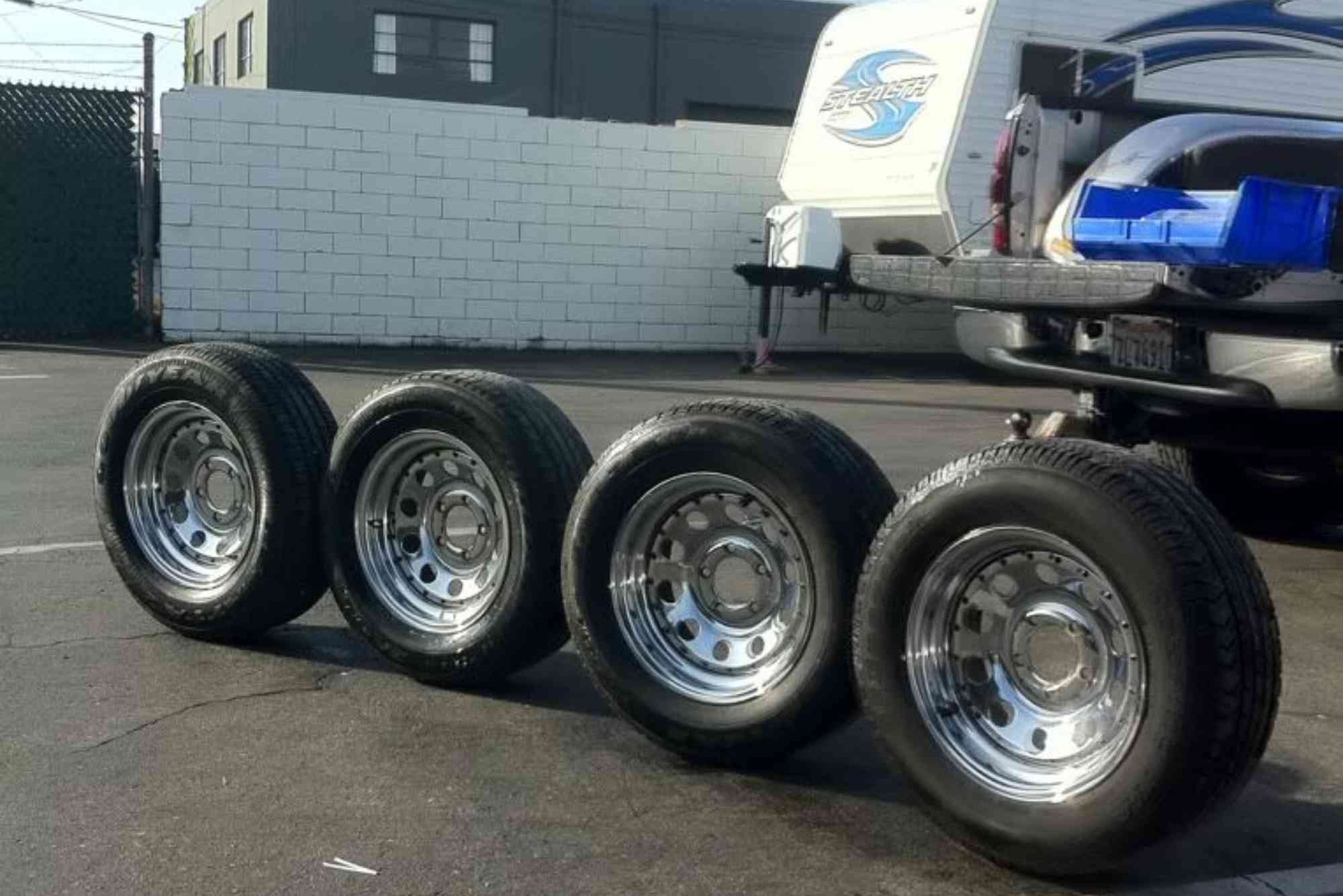
When you tow a trailer behind your truck or SUV, every component matters—especially 13 inch boat trailer tires. These tires must endure saltwater, rough roads, and long distances while supporting heavy loads. Choosing correctly ensures safety, smooth transport, and longer life for both tire and trailer. In this article, you’ll learn what defines a top tier 13 inch boat trailer tire, what features to prioritize, and how to select the best model for your vessel.
What Makes a Great 13 Inch Boat Trailer Tire
Build Quality and Material
The strength of a tire starts with its construction. For boat trailers, radial tires offer flexible sidewalls that absorb road shock; bias-ply tires have firmer walls and resist damage from side impacts. The casing, ply rating, and the rubber compound must resist UV rays, ozone cracking, and salt corrosion. Excellent 13 inch boat trailer tires use materials treated with inhibitors that lower cracking and dry rot risks.
Load Rating and Size Compatibility
Every tire must safely carry the weight it supports. The load rating stamped on the sidewall tells how much weight it can bear. Always calculate the combined weight of boat, gear, fuel, and trailer and then divide by tire count. Then choose a tire whose load rating exceeds that number. Size compatibility means matching rim diameter, width, and overall diameter so tires do not rub against fenders or interfere with steering.
Tread Pattern and Traction
Tread pattern affects how well the tire grips wet surfaces, which matters when launching and retrieving boats in ramps. Boat trailer tires need tread that sheds water fast yet resists hydroplaning. Deep grooves and siping help channel water away. Tread compounds must resist wearing unevenly due to weight concentrated on one side during transport.
Resistance to Environmental Hazards
Boat trailers deal with moisture, saltwater, sun, and sometimes mud or sand. Excellent 13 inch boat trailer tires resist rusting of rims, deterioration of rubber, and corrosion of internal wires. Sidewall coatings and bead sealing help block moisture entry. UV protectants are especially important to prevent cracking over time if the trailer is stored outdoors.
Evaluating Performance Characteristics
Durability on Roads and Ramps
When launching a vessel, your tires are submerged in water and dragged over trailer rollers or bunks. A durable tire resists abrasions, cuts, and punctures. Tires built with thicker sidewalls or reinforced layers withstand repeated back-and-forth launches. For frequent trailering, one must select 13 inch boat trailer tires designed for high cycles without compromising safety.

Stability at Higher Speeds
Even though trailers move slower than cars, highway travel demands stability. Wobble or swaying can stem from improper tire balance, mismatched tires, or underinflated tires. A good tire holds shape, maintains tread contact, and has minimal heat buildup at highway speed. Heat is your enemy; excessive heat can cause blowouts or tread separation.
Shock Absorption and Comfort in Towing
Boat trailers often ride over potholes, broken pavement, and uneven surfaces. Radial 13 inch boat trailer tires absorb road shock better than bias-ply styles. This reduces strain on trailer frames and mountings. Less vibration means less wear on boat hulls and hardware; comfort for those in the towing vehicle improves too.
Practical Tips for Choosing 13 Inch Boat Trailer Tires
Inspecting the Sidewall and Codes
On the tire’s sidewall you’ll find the size (for example 13-inch rim diameter), load index, and speed rating. Learning to read these codes matters. The letters and numbers tell you what weight the tire supports, how fast it’s safe to drive, and what width it will cover. Do not accept mismatched codes per axle; mixing two tires with widely differing ratings creates imbalance, and increases risk of damage or failure.
Checking Age and Manufacturer Warranty
Rubber degrades over time, even if a tire looks new. Always check the manufacturing date. Tires older than five years may have internal deterioration. Reputable manufacturers of 13 inch boat trailer tires provide warranties that cover cracking, defects, and sometimes mileage. A good warranty shows confidence in durability.
Proper Inflation and Maintenance
Correct tire pressure improves lifespan and performance. Underinflated tires run hotter, suffer uneven tread wear, and might detach from rims. Overinflation reduces ground contact and stability. Check pressure when tires are cold. Also rinse with fresh water after saltwater exposure. Rotate tires if possible. Inspect for cracks, bulges, or embedded objects before every trip.
Comparing Common Styles and Use-Cases
Radial vs. Bias-Ply Designs
Radial tires have belts running across the tire from bead to bead; they flex in the sidewall and offer smoother rides, cooler operating temperatures, and longer tread life. Bias-ply tires use layers laid at angles; these remain stiffer and resist impact damage better, but tend to heat up and wear faster when towed long highway distances. For frequent long hauls, radial 13 inch boat trailer tires often give better overall performance. Bias-ply models still make sense for rugged paths or off-road launches.
Trailer Specific vs. All-Terrain Use
Certain tires are optimized purely for trailer use. They feature flat tread bottoms, sturdy shoulder blocks, and sidewalls tuned for high load and towing stress. Some tires marketed as all-terrain may seem durable, but their tread pattern or rubber compound may degrade or grip poorly on boat ramps. When choosing your 13 inch boat trailer tires, prioritize those labeled for trailer or marine use.
Price versus Lifespan Trade-Off
Cheaper tires tempt with low cost now, but may cost more through early replacement. Higher-end 13 inch boat trailer tires cost more, but with stronger materials, better tread compounds, and excellent warranties they often last much longer. Investing in higher quality tires reduces long-term costs, fewer failures, and stronger safety margins—especially when carrying your boat across long distances.
Common Mistakes to Avoid
Overloading or Underrating
Many trailer owners underestimate the combined weight of boat, fuel, gear, and trailer. If you use tires with lower load rating than needed, you risk blowouts. Always ensure your 13 inch boat trailer tires have margin over real load. Use margins to allow for dynamic forces like braking and cornering.
Ignoring Tire Age or Storage Conditions
Even unused tires degrade. UV, heat, and humidity deteriorate rubber. If your trailer sits exposed for long periods, tires undergo dry rot. When buying or inspecting, verify manufacture date. Store trailers under cover or use tire covers to reduce exposure.
Mismatched Tires per Axle
Using different brands, load ratings, or tread depth on the same axle can cause uneven wear and unstable towing. Always match tires per axle in load capacity, tread design, and size. That ensures even stress and consistent behavior under braking or rough shocks.
Making a Selection for Your Vessel
Choosing the right 13 inch boat trailer tire begins with knowing what you carry, how far you tow, and where you launch. If your boat is light, trailer distances short, and launches gentle, moderate quality radial trailer tires serve well. But if you tow heavy gear, cross highways often, or launch on rocky ramps, you’ll benefit from premium radial builds with reinforced sidewalls and high load ratings. Always select tires explicitly rated for trailer or marine service. For occasional use choose tires meeting minimum load and speed requirements with some reserve. For frequent or demanding use, prioritize durability, environmental resistance, and clear warranties.
In choosing 13 inch boat trailer tires, quality, sizing, and durability demand attention. The right tire protects your boat, ensures safe towing, and saves money over time. Whether you favor radial or bias ply, prioritize trailer-rated options and never compromise load rating. Maintain proper pressure, wash away salt, and store properly to prolong life. For your next set, look for trustworthy brands offering strong warranties and proven performance. Want tailored recommendations or help picking tires for your trailer? Reach out and I’ll help you find what matches your boat and towing needs today.
FAQ
What size tire should I use on a 13-inch boat trailer rim?
You should use a tire that matches the 13-inch rim diameter, with width and aspect ratio suited to your trailer’s axle, load, and fender clearance. Always check the rim spec stamped or labeled by the manufacturer, then choose 13 inch boat trailer tires with matching diameter.
How long do 13 inch boat trailer tires last?
Under normal use—launches, road towing, occasional exposure to saltwater—a good quality radial trailer tire may last 3-6 years. Lifespan depends on load, storage, exposure to UV, and maintenance. If you notice cracking, tread wear, or irregularities, replace sooner.
Can I use car tires instead of true trailer-rated 13 inch boat trailer tires?
Using car or light truck tires can work in some cases, but they usually lack trailer-rated load capacity and reinforcement. They may flex too much, heat up, or wear rapidly. For safety and longevity, trailer-rated tires are strongly recommended.
How do I know the age of a tire?
Tire age is shown by the DOT code on the sidewall. The last four digits indicate week and year of manufacture. For example, “2319” means the 23rd week of 2019. Tires over five years old should be inspected closely even if tread looks good.
Are radial tires better than bias-ply for boat trailers?
Radial tires typically offer greater comfort, cooler running, and longer tread life especially at highway speeds. Bias-ply tires resist impact better in rough terrain and may be suitable where launches are tough. Choose based on your towing distance, conditions, and launch type.
What is correct tire pressure for my boat trailer tires?
Correct pressure depends on load and tire specifications. Check sidewall for maximum pressure and aim for slightly under that when loaded. Always measure pressure when tires are cold. Underinflated or overinflated tires compromise safety and longevity.