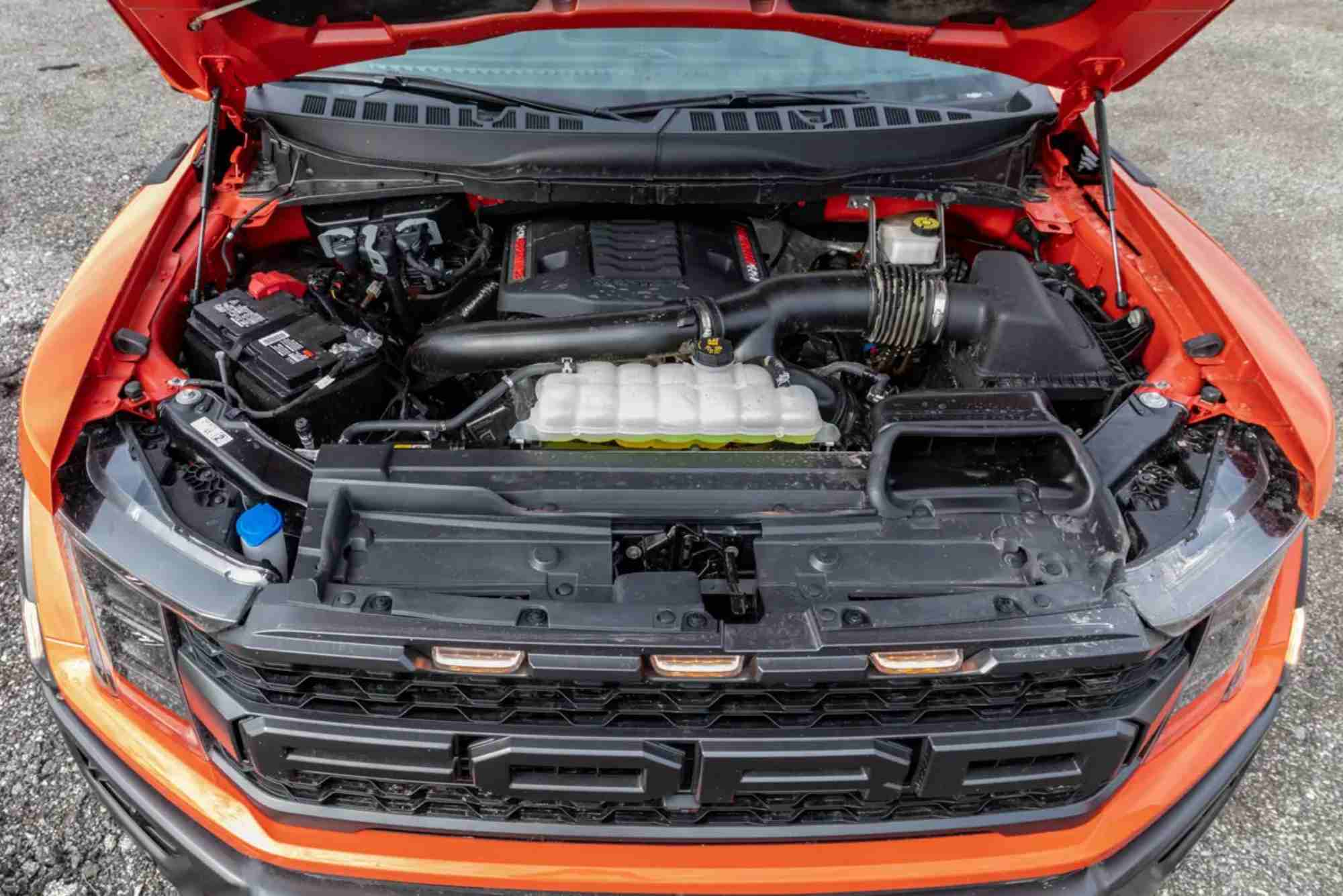
F-150 Raptor Engine Specs: Power and Performance Breakdown
The Ford F-150 Raptor has become a legend in the off-road performance truck category, known for its aggressive design, unmatched capability, and powerful engine. When enthusiasts and potential buyers look into this model, the first detail they want to know revolves around the F-150 Raptor engine specs. The heart of the Raptor is its powerhouse engine, tuned for rugged terrains, speed, and durability. In this article, we’ll dive into the technical details, performance highlights, and everything else you need to know about the engine that makes the Raptor stand out in the high-performance pickup segment.
Introduction to the F-150 Raptor Engine
Ford introduced the Raptor as a performance-focused version of the best-selling F-150. Unlike regular F-150 models, the Raptor isn’t just a work truck—it’s engineered for extreme adventure. The Raptor’s engine is purpose-built to provide the right mix of horsepower, torque, and efficiency. While other F-150 trims may use naturally aspirated V8s or smaller V6s, the Raptor is all about turbocharged performance. Understanding the F-150 Raptor engine specs is key to appreciating why this truck dominates both on and off the road.
F-150 Raptor Engine Specs Breakdown
At the core of the current F-150 Raptor is a 3.5-liter twin-turbocharged EcoBoost V6 engine. Unlike traditional large displacement engines, Ford opted for a high-output V6 with turbocharging technology. This design provides a balance of raw power and efficiency, while also delivering excellent torque at lower RPMs, which is crucial for off-road driving.
The 3.5L EcoBoost High-Output V6 produces around 450 horsepower and 510 lb-ft of torque. Paired with a 10-speed automatic transmission, the Raptor offers smooth gear changes and optimal power delivery across different terrains. The twin-turbo setup ensures minimal turbo lag, meaning the truck responds quickly when you press the accelerator, whether you’re climbing dunes, racing across the desert, or towing heavy loads.
Horsepower and Torque Performance
Horsepower is all about top-end speed and acceleration, while torque measures pulling strength and low-end grunt. The Raptor’s 450 horsepower ensures it feels lively even at highway speeds, but its 510 lb-ft of torque is what really sets it apart in the off-road segment. This torque is available early in the rev range, giving the Raptor incredible climbing ability, rapid launches, and confident towing.
Compared to other performance trucks, the Raptor holds its own exceptionally well. Many competitors rely on larger V8 engines, but Ford’s use of turbocharging helps the Raptor maintain impressive power without excessive weight or fuel consumption.

Transmission and Power Delivery
The 10-speed automatic transmission is a critical part of the F-150 Raptor engine specs package. It was co-developed by Ford and General Motors, designed specifically to handle high-performance engines. The transmission offers quick, seamless shifts that help keep the engine in its ideal power band. Drivers can enjoy different drive modes, from normal to sport to off-road, each altering transmission behavior to match the environment. For example, Baja mode holds gears longer for faster throttle response, while rock crawl mode prioritizes low-end torque.
This combination of a high-output V6 and advanced transmission ensures the Raptor can adapt to nearly any situation, whether cruising on the highway or tackling rocky trails.
Fuel Efficiency Considerations
While buyers of the Raptor are typically focused on performance rather than efficiency, it’s worth mentioning the fuel economy aspect. The EcoBoost engine is more fuel-efficient compared to older V8 models. On average, the Raptor delivers around 15 miles per gallon in the city and up to 18 mpg on the highway. For a truck of this size and power, these numbers are respectable. However, fuel economy will vary greatly depending on driving style and terrain.
Off-Roading and Engine Adaptability
The Raptor’s engine specs are not just about numbers on paper—they translate into real-world performance that makes the truck a king of off-road adventures. The high torque output provides incredible traction on loose surfaces like sand, mud, and snow. Turbocharged power ensures that altitude changes, such as driving in mountains, do not sap performance the way naturally aspirated engines sometimes do.
Ford also equipped the Raptor with advanced cooling systems to ensure the engine remains reliable even under extreme conditions. Whether you are driving through the desert heat or slogging through muddy trails, the engine is built to perform consistently without overheating or power loss.
Towing and Payload Performance
While the Raptor is primarily marketed as an off-road performance truck, its engine specs also support solid towing and hauling capability. The Raptor can tow up to 8,200 pounds when properly equipped, and its payload capacity hovers around 1,400 pounds. The powerful torque ensures stable towing, while features like trailer sway control make hauling safer and easier. This balance between off-road playfulness and real-world utility makes the Raptor appealing to a wider range of buyers.
Comparison with Previous Raptor Generations
When examining the F-150 Raptor engine specs, it’s important to consider how the powertrain has evolved over time. The first-generation Raptor featured a naturally aspirated 6.2-liter V8 producing 411 horsepower and 434 lb-ft of torque. While powerful, it was thirsty and less efficient.
The switch to the 3.5L EcoBoost in the second generation was controversial at first, but it proved to be the right move. The V6 outperformed the V8 in nearly every measurable way, delivering more power, more torque, and better fuel economy. The third generation continues with this formula but refines it further with improved cooling, stronger internals, and advanced tuning.
For enthusiasts seeking even more, Ford also offers the Raptor R, which uses a supercharged 5.2L V8 from the Mustang Shelby GT500. This variant pushes horsepower beyond 700, making it one of the most powerful trucks on the market. However, the standard Raptor’s EcoBoost V6 remains the most balanced choice for everyday use and off-road dominance.
Driving Experience with the Raptor Engine
Numbers and specs are important, but what really matters is how the Raptor feels to drive. Thanks to its engine, the Raptor accelerates from 0 to 60 mph in around 5.5 seconds, impressive for a full-size truck. The throttle response is quick, the exhaust note is aggressive, and the power delivery feels constant. On the road, it drives like a performance SUV, but off-road, it transforms into a rally-bred beast capable of tackling almost anything.
Drivers often note how the torque curve makes the Raptor feel effortless, whether merging onto highways or crawling over obstacles. The combination of speed, control, and confidence is what sets the Raptor apart from standard trucks.
Reliability and Maintenance of the Raptor Engine
Ford designed the EcoBoost V6 to handle high stress, but like any performance engine, it requires proper maintenance. Regular oil changes, premium fuel, and timely servicing are crucial to keeping the engine in peak condition. Turbocharged engines tend to work harder, so ensuring that cooling systems, turbos, and transmission components are regularly inspected is important. Many Raptor owners report excellent reliability, especially when the truck is maintained according to Ford’s schedule.
FAQ Section
What engine is in the F-150 Raptor?
The standard F-150 Raptor uses a 3.5-liter twin-turbocharged EcoBoost V6 engine producing 450 horsepower and 510 lb-ft of torque.
Is the F-150 Raptor engine a V6 or V8?
The regular Raptor features a twin-turbo V6, while the Raptor R version offers a supercharged V8 for extreme performance.
How fast is the F-150 Raptor?
The F-150 Raptor can accelerate from 0 to 60 mph in about 5.5 seconds, depending on conditions.
Can the Raptor tow heavy loads?
Yes, the Raptor can tow up to 8,200 pounds when properly equipped, making it both a performance and utility vehicle.
Is the EcoBoost engine reliable in the Raptor?
Yes, with proper maintenance, the EcoBoost engine is reliable and durable, even under extreme off-road use.
The F-150 Raptor engine specs showcase why this truck is more than just a pickup—it’s a performance machine built for enthusiasts who want both speed and capability. With 450 horsepower, 510 lb-ft of torque, and a 10-speed transmission, the Raptor delivers outstanding power and adaptability. It combines off-road dominance with real-world utility, making it one of the most versatile trucks on the market.