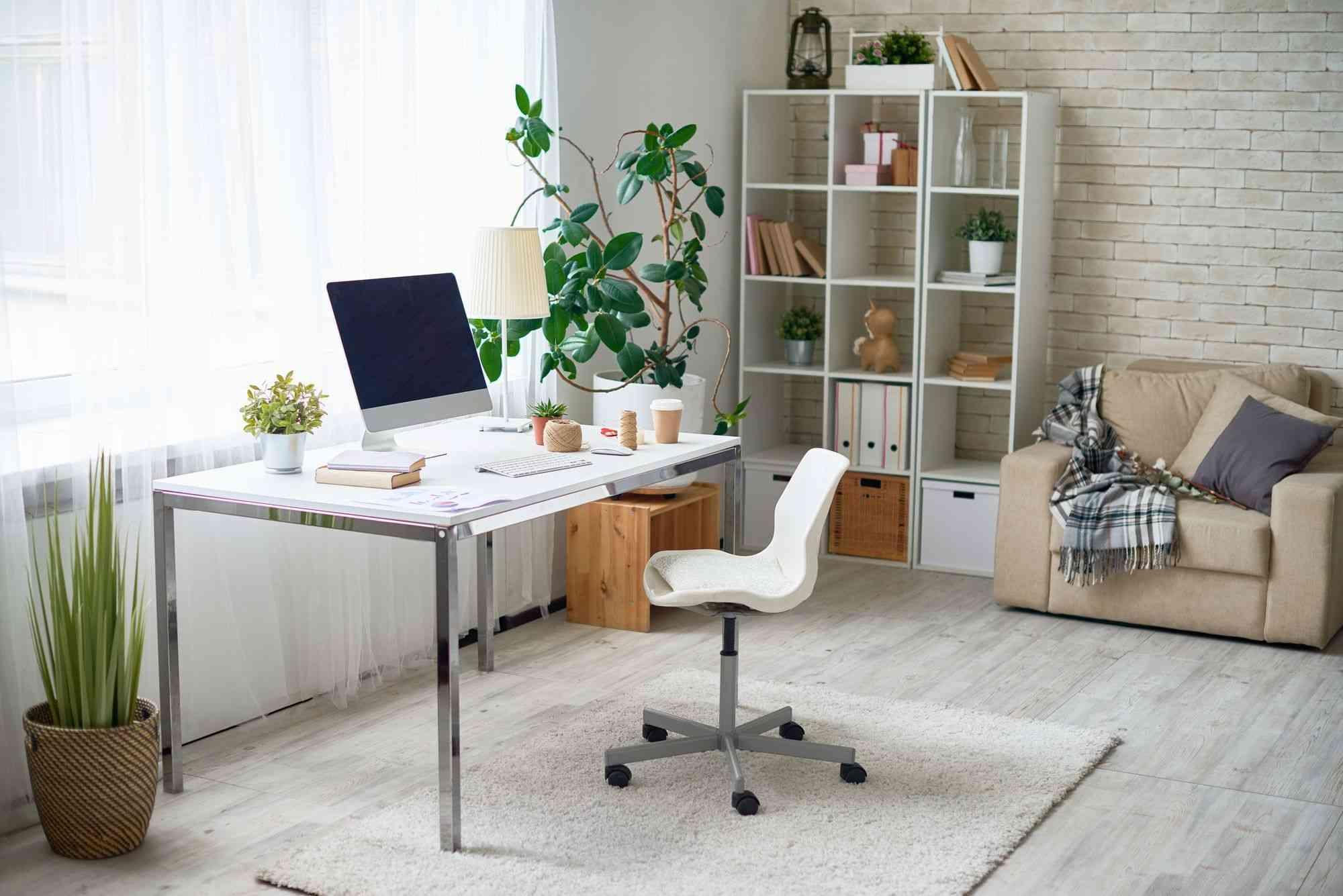
Introduction
In recent years, working from home has shifted from a trend to a necessity. As more people embrace remote work, one question comes up repeatedly: what is the ideal home office size? Whether you’re converting a spare bedroom or carving out space in a corner, understanding the right dimensions can dramatically affect your productivity, comfort, and overall well-being.
A home office is more than a desk and chair. It’s a hub for focus, creativity, and professional communication. Planning your space with intention ensures you won’t feel cramped or overwhelmed. In this guide, we’ll explore how much space you really need, how to plan your layout, and how to adapt your office to your work style.
Why Home Office Size Matters
The size of your home office directly influences your productivity and comfort. A cramped environment can lead to clutter and distraction, while a spacious, well-planned room can improve focus and creativity. Adequate space also supports good posture, better lighting, and healthier ergonomics.
When you think of home office size, consider not only the room’s square footage but also its layout, natural light, storage, and technology setup. By approaching your workspace holistically, you’ll create an area that supports your work rather than hindering it.
Determining the Ideal Home Office Size
Start with Your Work Requirements
The perfect home office size depends on the nature of your work. If your role involves large monitors, design boards, or physical files, you’ll need more square footage. On the other hand, a laptop-based role may require less space.
Begin by identifying your essential equipment. Include your desk, chair, storage units, and any specialized tools. Then measure their footprints and add extra clearance for movement and comfort. This approach ensures that the space serves you — not the other way around.

Understanding Minimum Space Needs
For a compact setup, a space as small as 30–50 square feet can work. Think of a small nook or a corner of a living room. A desk, an ergonomic chair, and a bit of vertical storage can create a functional workstation without overwhelming your home.
However, for those who work long hours or handle multiple tasks simultaneously, a dedicated room of 70–100 square feet or more can be a game changer. This larger area accommodates more storage, better lighting, and a sense of separation between work and personal life.
Balancing Comfort and Productivity
Even if you have limited space, small tweaks can improve how large your office feels. Using lighter paint colors, minimizing clutter, and opting for multipurpose furniture helps you make the most of every inch. Conversely, if you have ample space, arrange your furniture thoughtfully to avoid wasted areas that feel impersonal or empty.
Key Factors That Influence Home Office Size
Work Style and Tasks
Some people thrive in minimalist environments, while others need plenty of space for creativity and collaboration. Ask yourself how you prefer to work. Do you spread out documents and reference materials? Do you require dual monitors? Your answers will guide your spatial needs.
Storage and Organization
Storage is one of the most overlooked elements when planning a home office size. Filing cabinets, bookshelves, or built-in drawers take up square footage but reduce visual clutter. Think vertically as well as horizontally. Tall shelves, under-desk drawers, and hidden storage can maximize space without compromising aesthetics.
Lighting and Ventilation
Natural light can make a small home office feel larger and more energizing. Position your desk near a window if possible, but ensure that glare doesn’t interfere with your screens. Adequate ventilation and climate control also affect comfort — a crucial factor if you’re working full days from home.
Ergonomics and Movement
A good rule of thumb is to allow at least three feet of clearance behind your chair to move freely. This improves circulation and reduces the risk of bumping into walls or furniture. Ergonomics isn’t just about your chair height — it’s about giving your body space to shift and stretch during the day.
Designing for Different Home Office Sizes
Small-Space Home Offices
If you’re working within 30–50 square feet, choose compact furniture and keep your layout simple. Wall-mounted desks or fold-out tables can save space. Vertical shelving replaces bulky cabinets. Mirrors and light colors create an illusion of openness.
Medium-Sized Home Offices
In a room of about 70–100 square feet, you can experiment with more comfortable layouts. Add a small sofa for reading, include a second monitor, or set up a filing area. This balance between space and functionality allows you to personalize without overcrowding.
Large Home Offices
If you’re fortunate enough to have more than 120 square feet, create distinct zones for different tasks — for example, a workstation, a meeting corner, and a creative area. But remember, even a large home office benefits from careful planning to avoid wasted space.
Psychological Impact of Home Office Size
Your workspace’s dimensions can shape how you feel about your job. A cramped environment may make you feel stressed or boxed in, while a well-designed office can boost your mood and confidence. This effect is especially strong if you’re self-employed or working on creative projects, where mental state directly influences output.
By designing your home office with intention — even if it’s small — you send yourself the message that your work matters. This mental shift alone can increase your focus and productivity.
Practical Tips for Optimizing Your Home Office Size
Maximize Every Inch
Use wall space for shelves, whiteboards, or corkboards. Choose furniture with built-in storage. Keep cables organized to prevent clutter.
Prioritize Quality Over Quantity
Invest in a comfortable chair, an adjustable desk, and proper lighting. Fewer but higher-quality pieces can improve both comfort and appearance.
Create Clear Boundaries
If your home office is part of a multipurpose room, define it visually with a rug, divider, or plant arrangement. This separation helps you switch between work and personal time more effectively.
Reassess Regularly
As your work evolves, your home office size requirements may change. Revisit your setup every few months to ensure it still serves you.
Make Your Home Office Work for You
The ideal home office size is less about square footage and more about thoughtful design. Whether you have a small nook or a spacious room, planning your layout around your tasks, equipment, and comfort is key. By understanding your needs and maximizing your available space, you create an environment that boosts productivity and well-being.
If you’re ready to elevate your work-from-home experience, start by evaluating your current workspace. Ask yourself: does it support your best work? If not, take action today to design a home office that truly works for you.
FAQs About Home Office Size
How many square feet do you need for a home office?
A compact home office can work in 30–50 square feet, while a dedicated room of 70–100 square feet offers more comfort.
What is the best size desk for a home office?
Most people find a desk at least 48 inches wide and 24 inches deep works well, but adjust to your room’s dimensions.
Can I turn a small closet into a home office?
Yes. With proper lighting, ventilation, and compact furniture, even a closet can become a productive workspace.
How can I make a small home office feel bigger?
Use light colors, mirrors, and vertical storage. Keep clutter minimal and furniture scaled to the space.
Does a larger home office make you more productive?
A larger office provides more flexibility and comfort, but productivity depends on layout, ergonomics, and personal habits rather than size alone.