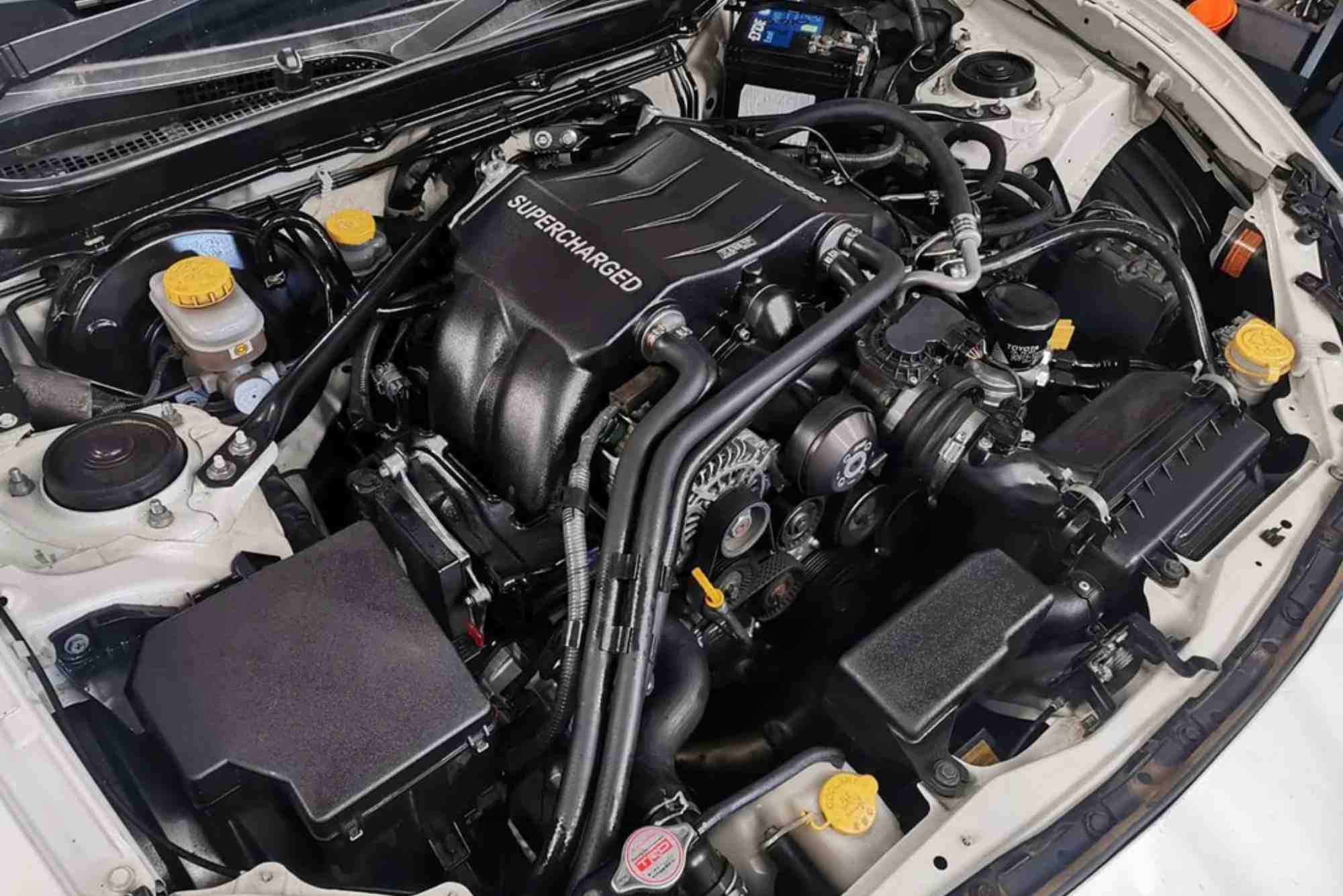
GT86 Forged Engine: Enhancing Your Car’s Power and Performance
The Toyota GT86 is already celebrated for its balance, lightweight design, and driving pleasure. However, for enthusiasts who demand more than stock performance, the GT86 forged engine becomes a vital upgrade. By strengthening the internal components, a forged engine transforms the GT86 into a machine capable of handling higher horsepower, improved reliability, and superior performance on both the street and track. For drivers who push the limits of tuning, forced induction, or aggressive driving styles, the GT86 forged engine is not just an upgrade—it is a necessity.
Why Choose a GT86 Forged Engine
Upgrading to a GT86 forged engine is about more than chasing horsepower numbers. It is about ensuring that your car can withstand the stresses of tuning modifications without compromising reliability. The stock FA20 engine is known for its rev-happy nature and efficiency, but when subjected to high boost levels or heavy modifications, the limitations of factory components become evident. Weak pistons, connecting rods, and crankshafts can fail under increased cylinder pressures. A forged engine, on the other hand, replaces these components with stronger, heat-resistant parts designed for extreme conditions. This provides peace of mind for tuners and track drivers who demand both performance and longevity.
Understanding Forged Engine Technology
The term “forged” refers to the manufacturing process where engine components such as pistons and rods are formed under immense pressure from solid metal. This results in parts that are significantly stronger and denser than cast alternatives. In a GT86 forged engine, critical parts like pistons, rods, and crankshafts undergo this forging process, drastically improving their resistance to stress, detonation, and high RPM operation. By reducing the risk of catastrophic failure, a forged engine allows owners to explore the full potential of turbocharging, supercharging, or aggressive naturally aspirated builds.
Performance Benefits of a GT86 Forged Engine
One of the main reasons GT86 owners invest in a forged engine is the dramatic performance gains it enables. With stock internals, the FA20 engine is limited in how much boost and power it can handle safely. Once forged internals are installed, the safe power ceiling increases substantially, often exceeding 500 horsepower when paired with the right turbo or supercharger system. This opens doors for track-focused builds or high-performance street cars that combine reliability with extreme acceleration. Along with power gains, forged engines deliver better heat resistance. High compression and forced induction generate immense heat, and forged pistons can withstand this punishment without deforming. Drivers also enjoy higher rev limits, more stable combustion under boost, and consistent performance under extreme loads.
Durability and Reliability for Everyday Use
Some may assume a GT86 forged engine is only for racing or track builds, but the reality is different. Forged internals provide unmatched durability, making the engine safer for daily use, especially if modifications are already part of the build. With the increased strength of rods, pistons, and crankshafts, drivers gain confidence knowing their GT86 can handle spirited driving, long road trips, or repeated track sessions without suffering premature wear. The investment in a forged engine ensures that expensive tuning upgrades do not go to waste by being limited by weak factory components.
Key Components in a GT86 Forged Engine
When discussing a GT86 forged engine, it is important to highlight the main components that make the difference. Forged pistons resist cracking under detonation, a common issue when engines run high boost or aggressive timing. Forged connecting rods add the tensile strength necessary to handle higher torque loads without bending. A forged crankshaft improves rotational stability and ensures smooth power delivery even at high RPMs. Together, these parts create a foundation for serious performance builds, ensuring that every ounce of power produced is safely delivered without internal failures.

GT86 Forged Engine for Forced Induction Builds
The FA20 engine responds extremely well to forced induction, but stock internals often struggle with the added stress. A GT86 forged engine, however, is designed for exactly this environment. Whether turbocharging or supercharging, forged internals allow tuners to run higher boost levels without fear of detonation damage or rod failures. Many owners pursuing 400–600 horsepower builds consider a forged engine mandatory. With the extra strength provided by forged parts, the GT86 not only gains raw power but also reliability, ensuring that track days or drag runs do not end with catastrophic engine damage.
Cost Considerations and Investment Value
Forged engine builds are not cheap, and many owners hesitate due to the upfront cost. However, when you consider the long-term value, a GT86 forged engine becomes a smart investment. Stock internals may handle modest power increases, but eventually, failure is likely under heavy modification. Repairing or replacing a blown engine can cost more than upgrading to forged internals in the first place. By building a forged engine, you protect your investment in aftermarket parts such as turbo kits, exhaust systems, and ECU tuning. This approach saves money over time and ensures the GT86 delivers reliable performance for years to come.
Professional vs DIY Forged Engine Builds
While some skilled enthusiasts attempt DIY forged engine builds, most choose professional builders for reliability and precision. A GT86 forged engine requires expert machining, proper assembly, and precise tuning to unlock its full potential. Mistakes in installation can lead to serious failures, so choosing a reputable shop with experience in FA20 engines is crucial. A professional build often comes with warranty options, peace of mind, and access to dyno tuning that ensures the forged engine operates at peak efficiency. For those serious about performance, a professionally built forged engine is the recommended route.
How a GT86 Forged Engine Transforms Driving Experience
Drivers who upgrade to a GT86 forged engine often describe the experience as transformative. The added confidence of knowing the engine can handle power upgrades allows for more aggressive driving styles. Turbocharged GT86 models accelerate with a level of ferocity that stock engines simply cannot match. On the track, forged engines deliver lap after lap without heat-soak issues or reliability concerns. Even for street driving, the smoother power delivery and higher rev capabilities create a more thrilling, engaging ride. It turns the already fun-to-drive GT86 into a performance monster capable of rivaling far more expensive sports cars.
Maintenance and Longevity of a Forged Engine
Owning a GT86 forged engine does not eliminate the need for maintenance, but it does extend the engine’s lifespan under heavy use. Regular oil changes with high-quality synthetic oil are crucial, as forged components generate more heat and stress. Monitoring boost levels, air-fuel ratios, and cooling systems also ensures long-term reliability. When maintained properly, a forged engine often outlasts stock engines under similar performance levels, making it a worthwhile choice for enthusiasts who plan on keeping their GT86 for years to come.
FAQs
Is a GT86 forged engine necessary for turbocharging?
While not strictly required at low boost levels, a forged engine becomes essential when running higher boost or chasing big power figures.
How much power can a GT86 forged engine handle?
With quality parts and professional tuning, many forged FA20 engines handle 500–600 horsepower safely, though reliability depends on build quality.
What is the cost of a GT86 forged engine build?
Prices vary, but most builds range from $6,000 to $12,000 depending on parts, labor, and tuning requirements.
Can a GT86 forged engine be daily driven?
Yes, many owners daily drive forged engines. The upgrade enhances durability, making it suitable for both daily and high-performance use.
Does forging affect fuel economy?
Fuel economy depends more on tuning and driving style. A forged engine itself does not reduce efficiency, though power upgrades may lead to higher fuel use.
For enthusiasts who see the GT86 as more than just a daily driver, a forged engine unlocks its true potential. It provides the strength to safely handle turbocharging, supercharging, or high-RPM builds while ensuring reliability for both track and street use. While the initial cost is significant, the long-term benefits in performance, durability, and driving enjoyment make the investment worthwhile. If you are serious about transforming your Toyota GT86 into a powerful, reliable machine, upgrading to a forged engine is one of the smartest steps you can take.