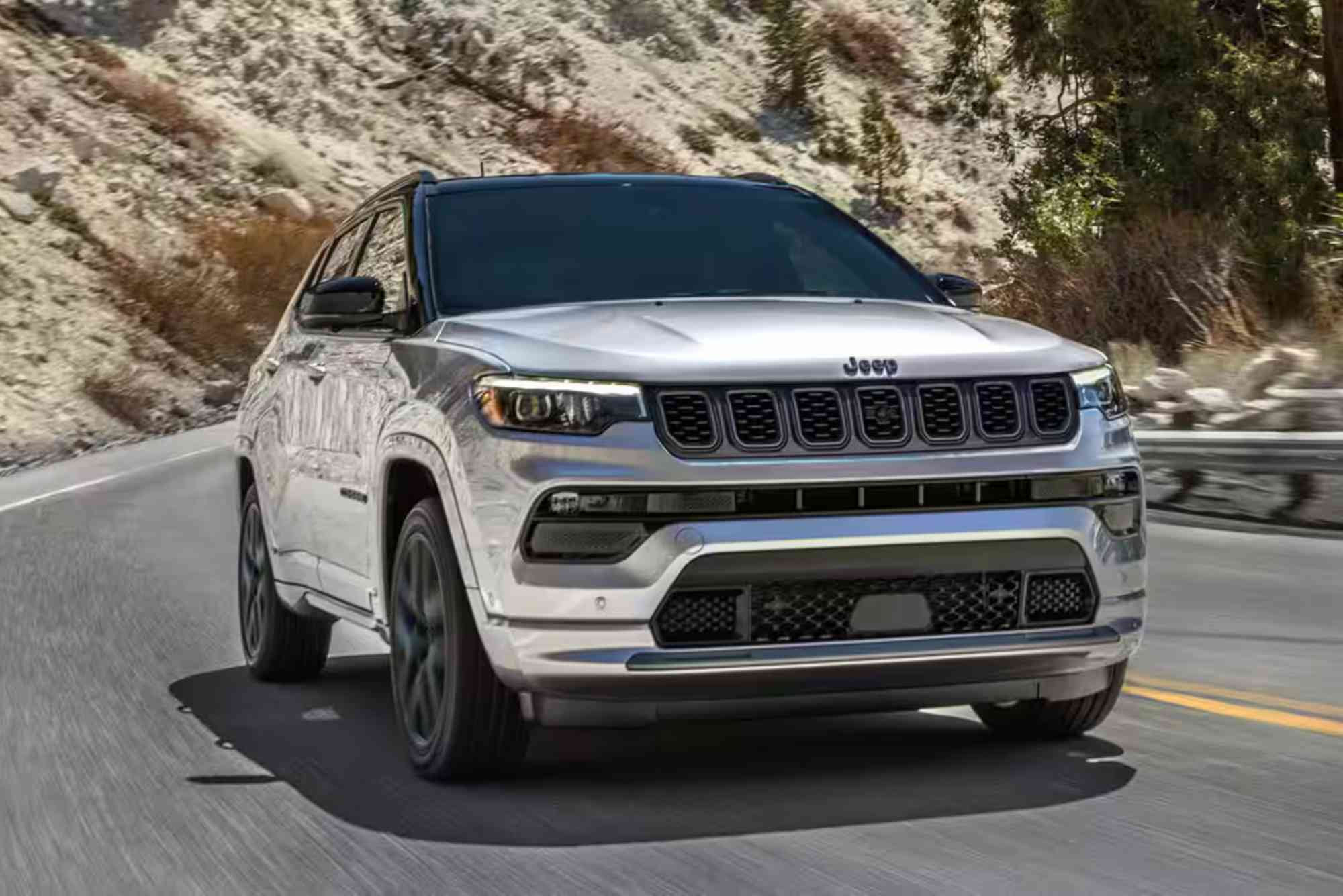
Jeep Compass Engine Specifications: Power, Size, and Performance
The Jeep Compass has earned its place as one of the most versatile compact SUVs available today, offering drivers a perfect mix of style, utility, and off-road capability. For many buyers, the heart of any vehicle is its engine, and the Compass is no exception. Understanding Jeep Compass engine specifications is crucial if you want to make an informed decision before purchasing. Whether you are focused on performance, efficiency, or long-term reliability, the engine details will tell you exactly what to expect from this rugged yet modern SUV.
Overview of Jeep Compass Engine Options
When diving into Jeep Compass engine specifications, it is important to recognize that the lineup varies depending on the market and model year. Jeep has consistently improved the Compass over time, ensuring drivers get a balance of power and efficiency. The two most common engines include a 2.4-liter Tigershark MultiAir inline-four in earlier models and a 2.0-liter turbocharged inline-four in the latest versions. These engines serve different purposes, with the older 2.4-liter designed for dependable everyday driving and the newer turbocharged unit providing stronger acceleration and better fuel economy.
Jeep Compass Engine Size and Layout
Engine size is often the first specification drivers look at, and the Jeep Compass delivers choices that appeal to different needs. The traditional 2.4-liter Tigershark engine comes with four cylinders and a naturally aspirated design. This engine layout emphasizes simplicity, durability, and consistent performance in various conditions. In contrast, the 2.0-liter turbocharged engine, available in more recent models, is designed with advanced technology to squeeze more power out of a smaller displacement while maintaining good fuel efficiency. The inline-four layout remains consistent across models, offering compact packaging and balanced weight distribution, which benefits handling.
Power Output and Performance Capabilities
Performance is where Jeep Compass engine specifications become particularly interesting. The 2.4-liter Tigershark engine produces around 177 horsepower with 172 lb-ft of torque, giving it enough strength for highway driving, urban commuting, and light off-road use. While not a high-performance engine, it provides predictable power delivery and works best for drivers who value reliability over excitement.
The newer 2.0-liter turbocharged engine pushes the performance envelope further, generating about 200 horsepower and 221 lb-ft of torque. This extra torque at lower RPMs makes the Compass feel livelier in city driving and more capable when overtaking on highways. Turbocharging also gives drivers better performance at higher altitudes, which can be particularly beneficial for those living or traveling in mountainous regions.
Transmission Pairing and Drivetrain Options
Jeep Compass engine specifications cannot be fully appreciated without understanding the transmission and drivetrain pairings. The 2.4-liter Tigershark is often matched with a six-speed manual or a six to nine-speed automatic transmission depending on the trim and region. The newer 2.0-liter turbo is generally paired with an eight-speed automatic that provides smoother gear transitions and improved fuel efficiency.

When it comes to drivetrain, Jeep continues its tradition of offering both front-wheel-drive for efficiency-focused buyers and four-wheel-drive for adventure enthusiasts. The four-wheel-drive system includes Jeep’s Selec-Terrain traction management, which adjusts performance to match surfaces like snow, sand, or mud. Together, the engine, transmission, and drivetrain make the Compass versatile enough for city driving while maintaining Jeep’s legendary off-road reputation.
Fuel Efficiency and Economy
For many modern drivers, fuel efficiency is just as important as raw power. The 2.4-liter engine typically delivers around 22 miles per gallon in the city and 31 on the highway when paired with front-wheel drive. Adding four-wheel drive lowers the numbers slightly due to the added weight and resistance. The 2.0-liter turbo engine, thanks to its modern design, usually improves efficiency while also offering more power. Drivers can expect averages closer to 24 mpg city and 32 mpg highway depending on configuration. This makes the turbocharged Compass a more attractive choice for those who want better performance without sacrificing economy.
Reliability and Maintenance Considerations
Reliability is always part of the conversation when looking at Jeep Compass engine specifications. The 2.4-liter Tigershark has been around for years, proving itself dependable with proper maintenance. However, it does require regular oil changes, and owners have occasionally reported higher oil consumption. On the other hand, the newer 2.0-liter turbocharged engine is more advanced, meaning it requires careful attention to scheduled maintenance but offers improved longevity when properly cared for. Jeep dealerships and independent mechanics generally find both engines serviceable and straightforward to maintain compared to some luxury SUVs.
Driving Experience with Jeep Compass Engines
Engine specifications only tell part of the story; the real test comes when driving. With the 2.4-liter engine, the experience is smooth and predictable. It is designed more for steady cruising than aggressive driving, making it perfect for family use and daily commuting. The 2.0-liter turbo transforms the Compass into a livelier SUV. Acceleration feels stronger, overtaking is easier, and the vehicle handles hills with less strain. When paired with Jeep’s four-wheel-drive systems, both engines provide confidence off-road, though the turbocharged engine brings added versatility to tougher terrain.
Jeep Compass Engine Specifications by Model Year
Looking back, earlier Compass models primarily used the 2.4-liter engine across trims, with minimal variation. As the automotive industry pushed toward more efficient turbocharged powertrains, Jeep updated the Compass with the 2.0-liter turbo, especially in higher trims and newer generations. Buyers considering a used Compass should be aware of these differences, as the engine plays a big role in performance and ownership experience. Understanding which engine a specific model year carries can help align expectations with needs.
Safety and Technology Integration
Modern Jeep Compass models integrate engine performance with safety and technology features. Advanced traction control, stability systems, and hill descent assist work seamlessly with engine outputs to provide safer handling. Additionally, drive modes such as Auto, Snow, and Sand adjust throttle response and torque distribution, making the most of the available engine power. These integrations ensure that Jeep Compass engine specifications are not just numbers on paper but practical benefits for real-world driving.
Future Outlook for Jeep Compass Engines
As the automotive industry shifts toward electrification, future Jeep Compass models are expected to feature hybrid and possibly all-electric powertrains. However, the current engine lineup continues to deliver what Jeep buyers value: a reliable, versatile, and capable SUV. The 2.0-liter turbo in particular is likely to remain a strong choice for years to come, as it balances efficiency and performance more effectively than older designs.
Why Engine Specs Matter for Compass Buyers
Jeep Compass engine specifications give a clear picture of what drivers can expect in terms of performance, size, and overall driving experience. The choice between the proven 2.4-liter Tigershark and the modern 2.0-liter turbo depends on priorities. If you want reliability and straightforward mechanics, the 2.4-liter still delivers. If you want more responsive power and better fuel economy, the turbocharged engine is the smarter option. Either way, the Jeep Compass remains a compact SUV that balances daily practicality with the adventurous spirit Jeep is known for.
If you are considering buying a Jeep Compass, take time to test drive different trims and engine setups. Pay attention not only to the specifications but also to how the vehicle feels in your daily driving conditions. Doing so ensures that you find the model that best matches your lifestyle.
Ready to explore your options? Visit your local Jeep dealership or trusted online automotive marketplace to compare trims, prices, and engine choices. The right Jeep Compass engine is waiting to power your next adventure.
Frequently Asked Questions
What engine does the Jeep Compass have?
The Jeep Compass is available with either a 2.4-liter Tigershark engine or a newer 2.0-liter turbocharged engine depending on model year and trim.
Is the Jeep Compass engine reliable?
Yes, the 2.4-liter engine has a reputation for reliability with regular maintenance, while the newer 2.0-liter turbo adds performance with modern technology.
What is the horsepower of the Jeep Compass?
Horsepower ranges from about 177 hp in the 2.4-liter engine to around 200 hp in the 2.0-liter turbo engine.
Does the Jeep Compass get good gas mileage?
Yes, fuel economy averages about 22–31 mpg with the 2.4-liter and 24–32 mpg with the 2.0-liter turbo, depending on drivetrain configuration.
Which engine is better for off-road driving?
Both engines perform well with Jeep’s four-wheel-drive system, but the 2.0-liter turbo provides more torque, making it better suited for challenging terrains.