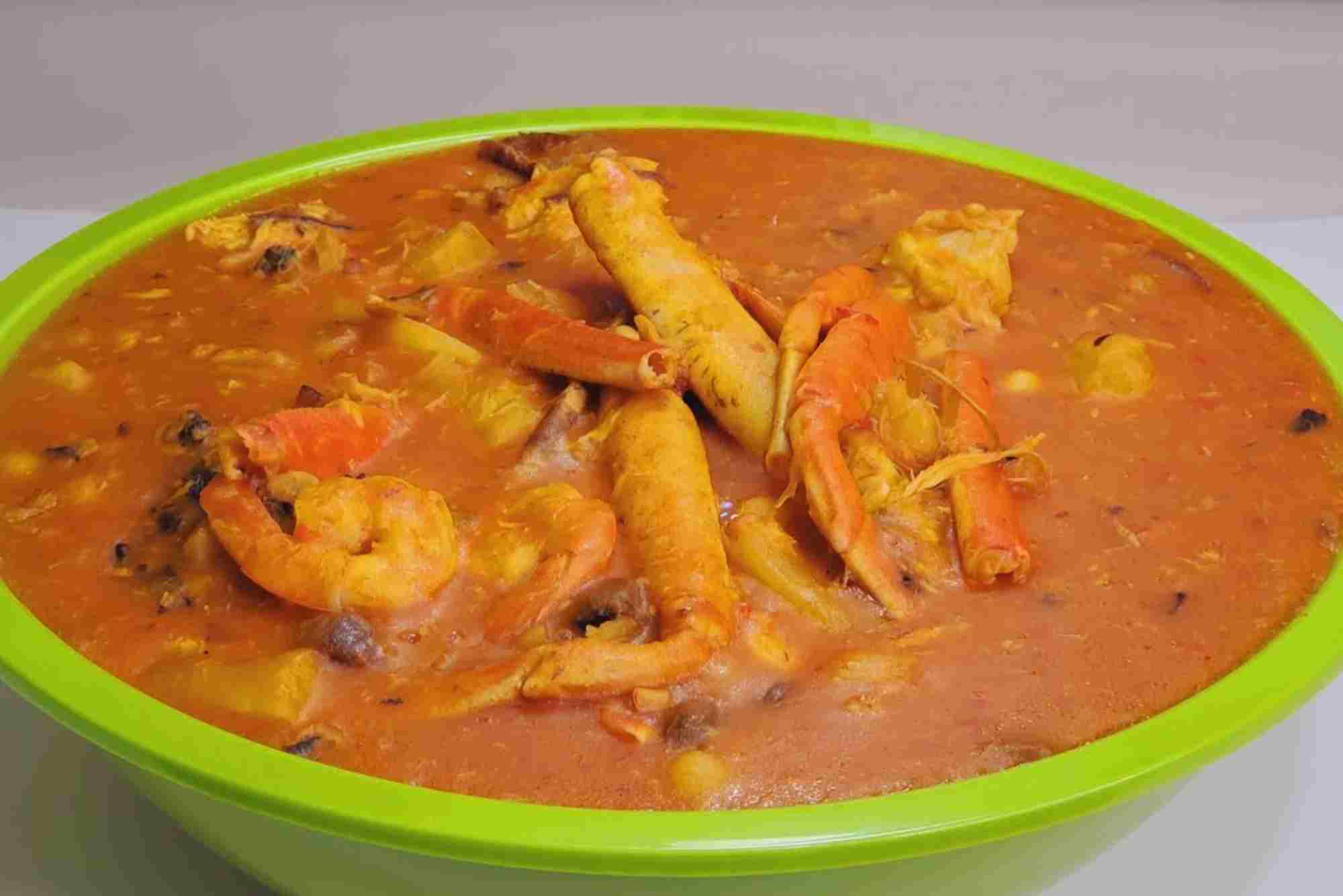
Traditional Dishes and How to Make Them
Gambian cuisine is a rich tapestry of flavors, ingredients, and cooking methods that tell the story of the country’s culture and history. At the heart of this culinary tradition lies Ebe Gambian food, a term that broadly refers to the authentic, time-honored dishes native to The Gambia. This article delves deep into the most beloved traditional dishes, their cultural significance, and simple ways to prepare them at home. Whether you are new to Gambian cuisine or looking to expand your culinary skills, you’ll find this guide both inspiring and practical.
Introduction to Ebe Gambian Food
When we talk about Ebe Gambian food, we refer to dishes that have been passed down through generations, combining local ingredients like rice, fish, peanuts, and spices with cooking techniques that bring out unique flavors. Gambian food is often communal, meant to be shared with family and friends, and it reflects the coastal, agricultural, and ethnic diversity of the country.
From hearty stews to savory rice dishes, Gambian cuisine offers a variety of meals that cater to different tastes and occasions. Understanding these dishes offers insight into Gambian culture, history, and social traditions.
Core Ingredients in Ebe Gambian Food
Before exploring the dishes, it’s helpful to understand the staple ingredients that define Ebe Gambian food:
Rice and Grains
Rice is central, often served as the main base, accompanied by flavorful sauces or stews.
Fish and Seafood
Given The Gambia’s Atlantic coastline, fish such as bonga (smoked fish) and tilapia are widely used.

Peanuts and Groundnuts
Groundnuts are fundamental, especially in sauces like the famous peanut stew.
Vegetables and Greens
Tomatoes, onions, chili peppers, and leafy greens such as cassava leaves feature prominently.
Spices and Herbs
Gambian dishes are seasoned with fresh garlic, ginger, and local herbs, balancing heat and earthiness.
Traditional Ebe Gambian Dishes
Domoda – Peanut Butter Stew
Domoda is arguably the most iconic Gambian dish, a rich peanut butter-based stew that is both hearty and comforting. It typically includes meat or fish, tomatoes, onions, and a generous amount of ground peanuts or peanut butter, simmered into a thick, savory sauce.
How to Make Domoda
Start by sautéing onions, garlic, and tomatoes in oil. Add chunks of meat or fish, then stir in peanut butter mixed with water or stock. Let it simmer with seasoning until the meat is tender and the sauce thickens. Serve over steamed white rice.
Benachin – One-Pot Jollof Rice
Benachin means “one pot” in Wolof and is The Gambia’s version of Jollof rice. This vibrant dish features rice cooked with tomatoes, peppers, onions, and spices, often accompanied by fish or chicken.
How to Make Benachin
Fry onions and bell peppers, add blended tomatoes and spices, then stir in washed rice. Add broth and cook until the rice absorbs all the flavors. Top with grilled fish or meat for a complete meal.
Yassa – Marinated Onion and Lemon Chicken
Yassa is a tangy and savory dish made from chicken marinated in lemon juice, onions, and mustard. It’s slow-cooked to let the flavors meld beautifully.
How to Make Yassa
Marinate chicken in lemon juice, garlic, mustard, and onions for several hours. Then sauté the chicken and onions together and simmer until tender. Serve with rice or couscous.
Superkanja – Okra and Palm Oil Stew
Superkanja is a rich stew made from okra, palm oil, and sometimes fish or meat. It has a distinctive slimy texture from the okra and a deep, earthy flavor from the palm oil.
How to Make Superkanja
Cook okra until it releases its characteristic texture. Add palm oil, fish or meat, and season with local spices. Simmer until all ingredients blend perfectly. Traditionally served with rice or fufu.
Tapalapa – Gambian Bread
No Gambian meal is complete without Tapalapa, a long, crusty bread similar to a French baguette but denser. It’s often used to scoop up stews or served alongside meals.
Cultural Significance of Ebe Gambian Food
Ebe Gambian food is not just about nourishment; it’s deeply woven into social and cultural practices. Meals are often shared during family gatherings, celebrations, and religious events like Eid or weddings. The communal aspect of dining fosters a strong sense of community and belonging.
Using local, fresh ingredients reflects The Gambia’s connection to the land and sea. The traditions behind each recipe preserve the country’s heritage, making these dishes a living history.
Tips for Cooking Authentic Ebe Gambian Food at Home
- Use Fresh Ingredients: Whenever possible, use fresh tomatoes, peppers, and locally sourced fish to achieve authentic flavors.
- Balance Flavors: Gambian food often balances sweet, sour, and spicy notes. Adjust seasoning gradually.
- Cook Low and Slow: Many dishes benefit from slow cooking to develop deep, rich flavors.
- Rice Preparation: Wash rice thoroughly to avoid stickiness unless a stickier texture is desired.
- Experiment with Spices: Mustard, garlic, and chili are commonly used but adjust to personal preference.
Experience the Richness of Ebe Gambian Food
Ebe Gambian food offers a culinary journey that is rich in culture, history, and flavor. By trying these traditional dishes, you connect with The Gambia’s vibrant heritage. Whether you choose to make Domoda’s creamy peanut stew or the zesty Yassa chicken, each dish invites you to savor something unique.
Ready to bring a taste of The Gambia into your kitchen? Start with one recipe and explore more to unlock the full experience of Ebe Gambian food.
Frequently Asked Questions (FAQs)
What is Ebe Gambian food?
Ebe Gambian food refers to traditional dishes from The Gambia, featuring staple ingredients like rice, fish, peanuts, and local spices.
What are the most popular Gambian dishes?
Popular dishes include Domoda (peanut stew), Benachin (one-pot Jollof rice), Yassa (marinated chicken), and Superkanja (okra stew).
How spicy is Gambian food?
Gambian food varies in spice level but generally balances heat with tangy and savory flavors. You can adjust spices to your taste.
Can I make Ebe Gambian food with vegetarian options?
Yes, many dishes like Domoda and Superkanja can be made vegetarian by substituting meat with vegetables or legumes.
Where can I find ingredients for Gambian cooking?
You can find key ingredients like peanut butter, palm oil, and okra at African or international grocery stores or online specialty retailers.