Top Eco-Friendly Food Wrapping Paper Alternatives for a Greener Kitchen
As the world becomes more conscious of its environmental footprint, the kitchen is a great place to start making changes. One simple but powerful switch is using eco friendly food wrapping paper. Traditional plastic wraps and foils might be convenient, but they contribute to long-term waste and pollution. Thankfully, a variety of sustainable, non-toxic, and biodegradable food wraps are now available, helping you store your meals safely while being kind to the Earth.
In this article, we’ll explore the best eco-friendly food wrapping paper alternatives, explain why switching matters, and provide tips to integrate them into your daily routine. Whether you’re meal prepping, storing leftovers, or packing lunch for work, you’ll find an option that suits your lifestyle.
Why Choose Eco Friendly Food Wrapping Paper?
Switching to eco-friendly food wraps isn’t just about following a trend. It has real benefits—for your health, your wallet, and the environment.
Reduces Single-Use Plastic Waste
Plastic wraps don’t break down easily. Most end up in landfills or oceans, where they harm wildlife and leach toxic chemicals. Eco alternatives are designed to decompose naturally or be reused.
Protects Food Without Harmful Chemicals
Many conventional wraps contain PVC or BPA, which can transfer into your food, especially when heated. Natural alternatives avoid these risks while keeping your food fresh.
Cost-Effective in the Long Run
Although reusable wraps might cost more initially, they can last months or even years, reducing long-term spending on single-use items.

The Best Eco Friendly Food Wrapping Paper Alternatives
Let’s explore the most popular and reliable alternatives that work well for different food storage needs.
Beeswax Wraps
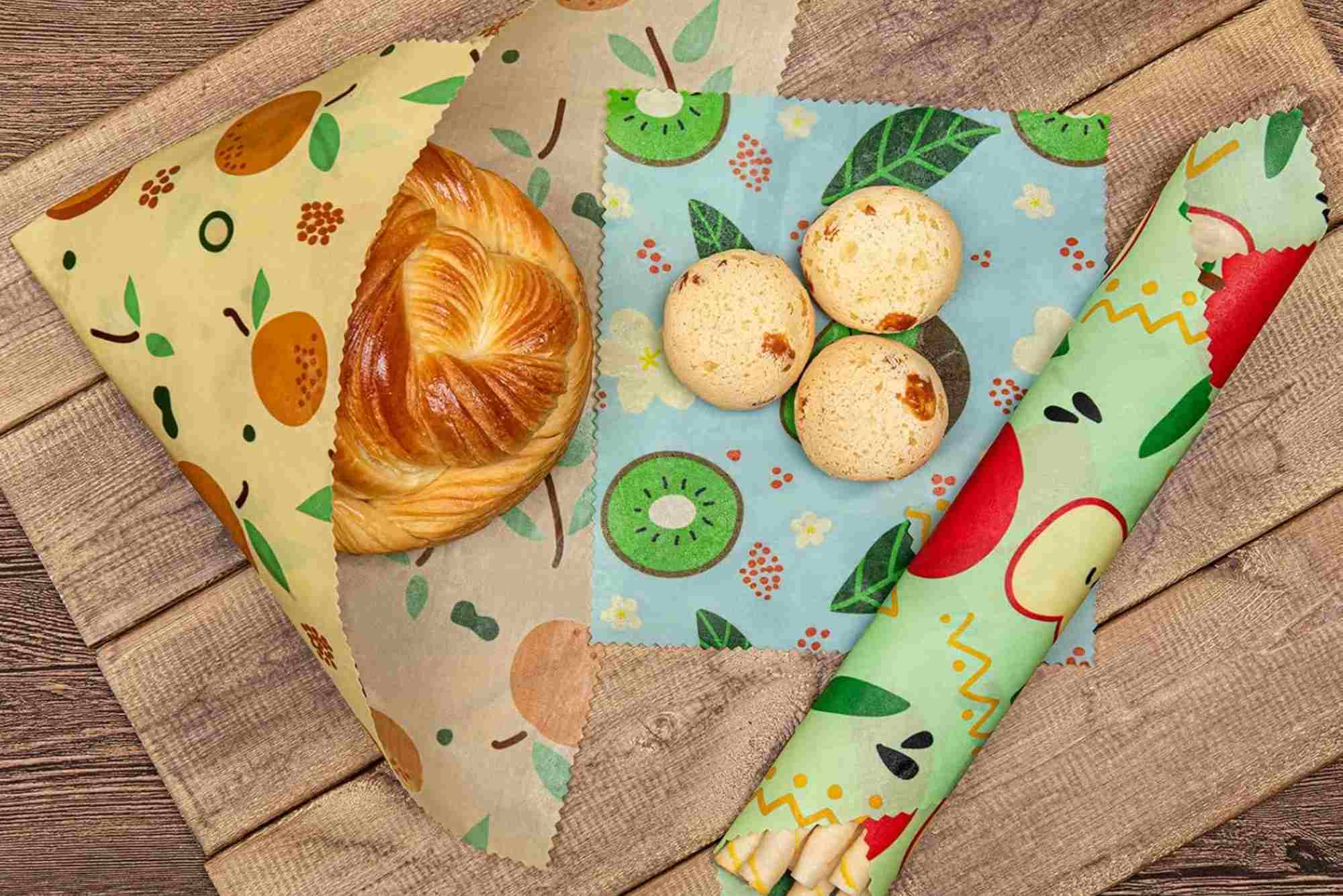
Beeswax wraps are cotton sheets coated in a mix of beeswax, resin, and oils. They’re pliable, breathable, and slightly sticky, making them perfect for wrapping sandwiches, fruits, cheese, or covering bowls.
- Reusable: Can be washed with cold water and mild soap.
- Biodegradable: Will break down after about a year of use.
- Naturally antibacterial: Helps preserve food longer.
Tip: Warm them with your hands to mold around containers or food items.
Silicone Food Covers
Silicone covers stretch to fit over bowls, jars, and even cut fruits. They create a tight seal and are ideal for fridge or freezer use.
- Durable: Can be reused for years.
- Dishwasher safe: Easy to clean and sanitize.
- Heat resistant: Safe for microwave and oven use (check brand specifications).
Look for FDA-approved food-grade silicone to avoid any harmful additives.
Compostable Parchment Paper
If you bake or roast often, compostable parchment paper is a great replacement for aluminum foil or plastic wraps. Brands like If You Care or Beyond Gourmet offer unbleached, chlorine-free options.
- Heat-safe: Great for oven use.
- Non-stick: Prevents food from sticking.
- Compostable: Breaks down in home compost bins.
Ideal for lining baking sheets or wrapping baked goods for storage.
Cloth Food Wraps
Fabric wraps—often made from organic cotton or linen—are another chemical-free solution. Some come infused with wax, while others are used dry.
- Reusable: Just wash and dry after each use.
- Versatile: Wrap bread, dry snacks, or sandwiches.
- Customizable: Choose patterns and sizes to match your kitchen vibe.
For extra freshness, pair them with a reusable rubber band or tie.
Paper-Based Food Wraps
Some companies make wax-coated or oil-infused paper wraps using plant-based materials. These are usually compostable and can be thrown away guilt-free after use.
- Single-use but sustainable: Perfect for travel or events.
- Plastic-free: No synthetic coatings.
- Grease-resistant: Great for oily foods like pastries or wraps.
Look for FSC-certified paper to ensure it’s responsibly sourced.
How to Make the Switch to Eco Friendly Food Wrapping Paper
Adopting greener habits in your kitchen doesn’t need to be overwhelming. Here’s how to get started:
- Replace one item at a time: Begin with beeswax wraps or parchment paper, then slowly build your collection.
- Store properly: Keep wraps dry and away from direct sunlight to prolong their lifespan.
- Clean with care: Avoid harsh scrubbing or hot water, especially for wax-based wraps.
- Involve the family: Teach kids to use eco-friendly wraps in their lunchboxes.
A sustainable kitchen is a work in progress. Every small change adds up.
What to Avoid When Choosing Food Wraps
Even products marketed as eco-friendly can sometimes mislead. Here are some red flags:
- Plastic coatings: Some “compostable” wraps contain hidden plastic layers.
- Bleached paper: Chlorine-bleached wraps release toxins when decomposed.
- Vague labeling: Look for third-party certifications like USDA Organic, FSC, or compostable logos.
Always check the materials list and user reviews before buying.
Eco Friendly Food Wrapping for Special Diets & Needs
Everyone’s food habits are different, and luckily, there are wraps that cater to specific needs.
Vegan Options
Beeswax wraps aren’t suitable for vegans, but many brands now offer plant-based wax wraps using candelilla or soy wax instead.
Allergy-Safe Wraps
Those with nut or resin allergies should avoid wraps made with pine resin. Look for hypoallergenic alternatives or silicone-based options.
Kids’ Lunches
Choose wraps with fun prints, strong sealing ability, and non-toxic materials. Silicone pouches or wax paper bags are safe and easy for little hands to manage.
FAQs about Eco Friendly Food Wrapping Paper
What is the best eco friendly food wrapping paper?
Beeswax wraps are one of the most effective eco friendly food wrapping paper options. They’re reusable, antibacterial, and naturally biodegradable.
Can parchment paper replace plastic wrap?
Yes, especially for baking or wrapping dry foods. Compostable parchment paper is a great alternative to plastic wrap for short-term use.
Are beeswax wraps safe for all foods?
Mostly yes, but they’re not recommended for raw meat. Stick to fruits, cheeses, baked goods, and sandwiches.
How long do reusable food wraps last?
Depending on the type and care, reusable food wraps can last from 6 months to over a year. Proper cleaning extends their life.
What’s the most budget-friendly eco wrap option?
DIY beeswax wraps or reusable cloth wraps are cost-effective in the long run and can be made at home using basic materials.
Wrap Your Food, Not the Planet
Switching to eco friendly food wrapping paper is one of the simplest and most impactful steps you can take toward a greener kitchen. These sustainable alternatives reduce waste, protect your health, and save you money over time. From beeswax wraps to silicone lids and compostable papers, there’s an option for every lifestyle.
Start small—replace one roll of plastic wrap today and build from there. Your kitchen (and the Earth) will thank you.