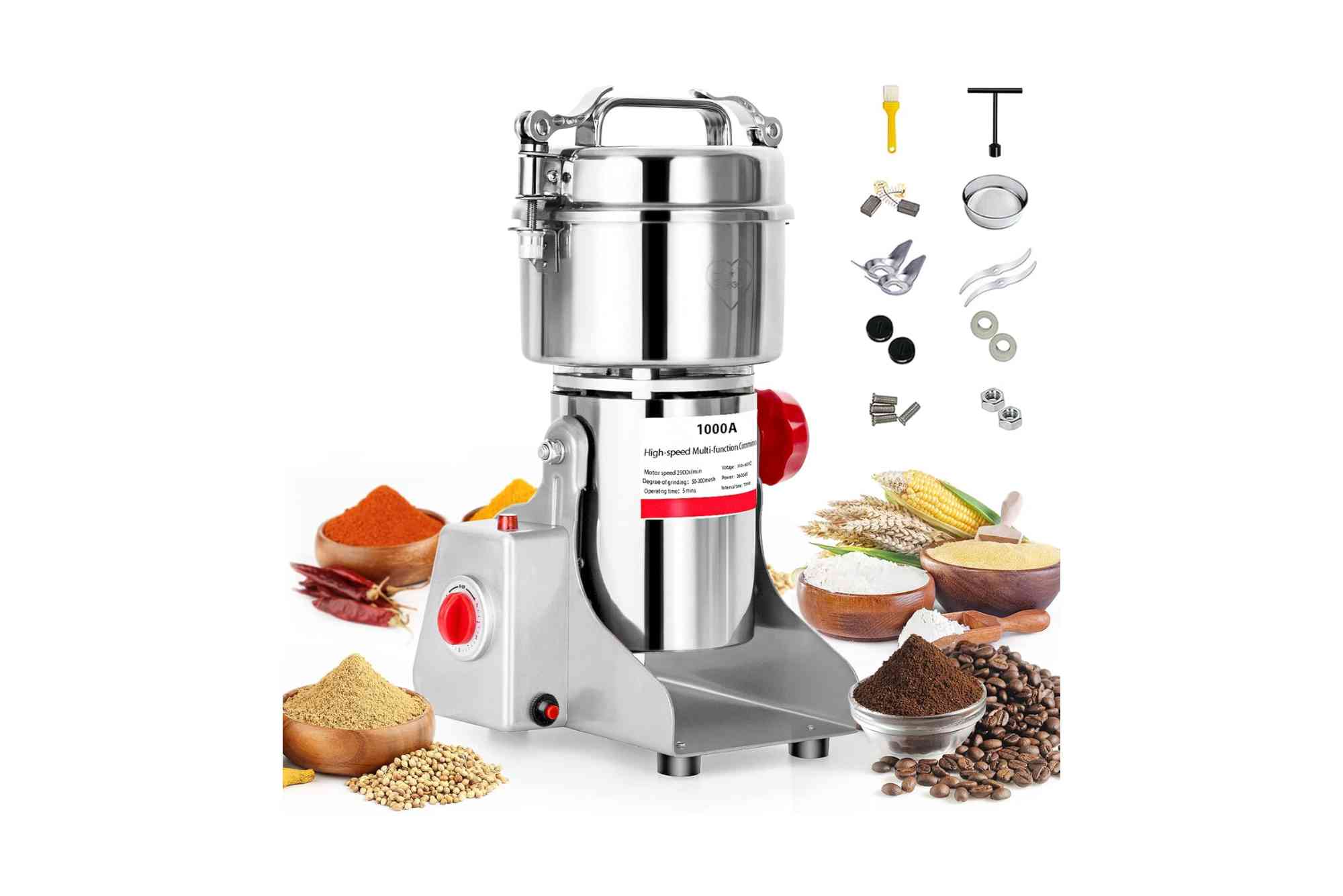
What Is a Food Pulverizer? Types, Uses, and Buying Tips
In the world of modern food processing, precision, efficiency, and consistency are key. Whether you’re running a commercial kitchen, a food manufacturing plant, or simply want to upgrade your home culinary tools, a food pulverizer can make a significant difference. But what exactly is a food pulverizer, and why is it considered a must-have in many kitchens and industrial food production lines?
A food pulverizer is a powerful device designed to crush, grind, and pulverize food ingredients into fine particles or powder. From dry spices to grains, sugar, herbs, and even fibrous vegetables, this tool helps transform raw ingredients into uniform and process-ready forms. It is essential in food prep operations that require consistency in particle size and texture. Let’s dive into everything you need to know about food pulverizers—their types, how they work, common uses, and the most important factors to consider when buying one.
Food Pulverizer
A food pulverizer is essentially a high-speed grinding machine. It’s designed to reduce solid food substances into smaller particles or fine powder. The primary goal is to enhance the usability, mixability, and shelf life of food ingredients. Unlike standard kitchen blenders, which are designed for liquids and soft foods, pulverizers are built for tougher grinding jobs. They’re common in commercial food processing environments where ingredients like dried chili, grains, turmeric, coriander, black pepper, coffee beans, and even bones need to be processed quickly and finely.
Food pulverizers come in different sizes, shapes, and mechanical setups—each tailored to specific processing needs. From spice mills to large hammer pulverizers, they are designed with specific materials, speed settings, and safety features to match various applications.
Common Types of Food Pulverizers
The market offers a variety of food pulverizers depending on usage, food type, and output requirements. Below are some of the most common types you’ll encounter.
Hammer Mills
Hammer mills use high-speed rotating hammers to break food particles into smaller sizes. Ideal for spices, herbs, and grains, they can handle dry and brittle ingredients with ease. These are often used in medium to large-scale food production.

Pin Mills
Pin mills use concentric disks with interlocking pins that grind food by impact and shear. They’re excellent for fine powdering and are typically used for powdered sugar, salt, and pharmaceutical food products.
Disc Pulverizers
This type uses grinding discs made of stainless steel or cast iron to grind food materials by friction. Suitable for dry ingredients like coffee, rice flour, and cocoa, they produce fine and consistent particle sizes.
Air Classifier Mills
These high-end machines combine grinding and classification in one. As food is pulverized, a built-in classifier separates fine particles from coarse ones, recycling the coarser particles back into the grinding chamber. This is perfect for consistent ultra-fine food powders.
Universal Pulverizers
These are multi-functional and can grind a wide range of dry ingredients. Their design includes both hammering and shearing mechanisms, making them flexible for various food processing needs.
Uses of a Food Pulverizer
Food pulverizers are essential tools in both commercial and industrial kitchens. Here’s how they’re used in real-world applications:
Spice Grinding
Spice companies and restaurants often use pulverizers to grind dried chili, cinnamon, black pepper, and other spices into uniform powder. The fine and even grinding ensures better flavor extraction and easier packaging.
Flour Milling
Grains like rice, corn, wheat, and millet can be milled into flour using pulverizers. This is especially useful in bakeries, gluten-free food production, and regional cuisine manufacturing.
Sugar Pulverization
For making powdered sugar or confectioner’s sugar, a pulverizer offers the right consistency. This is critical in dessert and candy production.
Herbal Processing
Pharmaceutical and food supplement industries use pulverizers to crush dried herbs and roots for tea, capsules, and health powders.
Waste Reduction
In some industrial settings, pulverizers are used to reduce food waste into fine particles that are easier to dispose of or recycle into animal feed.
Key Benefits of Using a Food Pulverizer
There are several practical advantages to using a food pulverizer in a food-related business or even at home if you process large quantities of ingredients. First, pulverizers save time. Instead of manually grinding food or using low-powered tools that struggle with harder ingredients, pulverizers accomplish the task quickly and uniformly. Second, they increase productivity, especially in commercial kitchens and manufacturing units. You can prepare large volumes of finely ground ingredients in less time.
They also ensure consistency. When making packaged food, spice blends, or baked goods, uniform particle size is essential for quality control. A pulverizer gives you precision that manual tools can’t match. Finally, these machines are built to last. Most commercial-grade pulverizers are made of durable materials like stainless steel, ensuring hygiene and long-term use.
Buying Tips: How to Choose the Right Food Pulverizer
With so many models available, choosing the right food pulverizer can feel overwhelming. Here are expert tips to guide your purchase decision.
Know Your Application
Start by identifying what ingredients you plan to pulverize. Are you grinding only spices, or do you also want to mill grains and crush herbs? The type of food you process will determine the machine’s size, motor power, and blade configuration.
Consider the Output Capacity
Think about how much food you need to process daily. Home-use pulverizers may offer up to 5–10 kg/hour, while industrial models can handle over 100 kg/hour. Choose a machine that matches your production scale.
Look for Material Quality
Food-grade stainless steel is ideal as it’s rust-resistant, easy to clean, and durable. Make sure the grinding chamber and all parts that touch food are made from safe and non-reactive materials.
Motor Power and Speed
The motor is the heart of a pulverizer. Higher wattage typically means faster processing and better performance. For commercial use, choose models with at least 1000 watts or more.
Safety and Maintenance
Check for features like overheating protection, overload sensors, and safety switches. A model that allows easy disassembly for cleaning and maintenance will save time in the long run.
Noise and Vibration
Pulverizers can be loud. If noise is a concern, opt for machines with noise reduction features or soundproof casings.
Budget and Warranty
Prices vary widely. A basic home-use pulverizer may cost $100–$300, while commercial models can go up to $2000 or more. Always check for manufacturer warranty and after-sales support.
Real-World Applications and Industries That Use Food Pulverizers
Food pulverizers are vital in more than just the restaurant industry. Food processing factories use them for mass grinding of spices and grains. Coffee manufacturers use specialized pulverizers to ensure consistent grind size for flavor control. Bakeries benefit by grinding nuts, cocoa, and sugar in-house. Even the health and wellness industry utilizes pulverizers to process herbal ingredients and dietary supplements.
Their versatility and efficiency make them invaluable tools in various sectors, including agriculture, pharmaceuticals, hospitality, and packaged food production.
Is a Food Pulverizer Worth It?
If your work involves grinding food ingredients regularly, investing in a food pulverizer is a smart move. Whether you’re a small-scale home cook or a large-scale food manufacturer, this tool will streamline your processes, improve product consistency, and boost your operational efficiency.
When selecting the right model, always focus on your ingredient type, required output, and overall usage pattern. Pay close attention to build quality, motor power, safety features, and maintenance ease. With the right food pulverizer in your kitchen or production line, you can elevate the quality of your output while saving time and effort. Ready to find the best food pulverizer for your needs? Explore trusted brands and models online or consult with commercial kitchen equipment suppliers to get expert advice before you buy.
FAQs
What can I grind in a food pulverizer?
You can grind spices, grains, herbs, sugar, coffee beans, seeds, and sometimes even small bones, depending on the model.
Is a pulverizer different from a blender or grinder?
Yes. While blenders and grinders handle soft or moist ingredients, pulverizers are built for tough, dry materials and create finer powder.
Do I need a commercial-grade pulverizer at home?
If you grind large quantities of dry ingredients regularly, a small-scale commercial unit may offer better performance and durability.
Are food pulverizers easy to clean?
Most modern models come with removable parts that are easy to clean. Stainless steel bodies are especially hygienic and rust-resistant.
What’s the difference between a hammer mill and a pin mill?
Hammer mills use impact to crush particles, while pin mills use both impact and shear, allowing for finer and more controlled grinding.
How much electricity does a food pulverizer consume?
Home models use around 300–1000 watts, while commercial units may range from 1500 watts to several kilowatts, depending on power and capacity.
Can pulverizers process wet ingredients?
Typically, food pulverizers are designed for dry grinding. Processing wet ingredients may damage the machine or clog the grinding chamber.