VF & Travel: Can You Travel After Embryo Transfer?
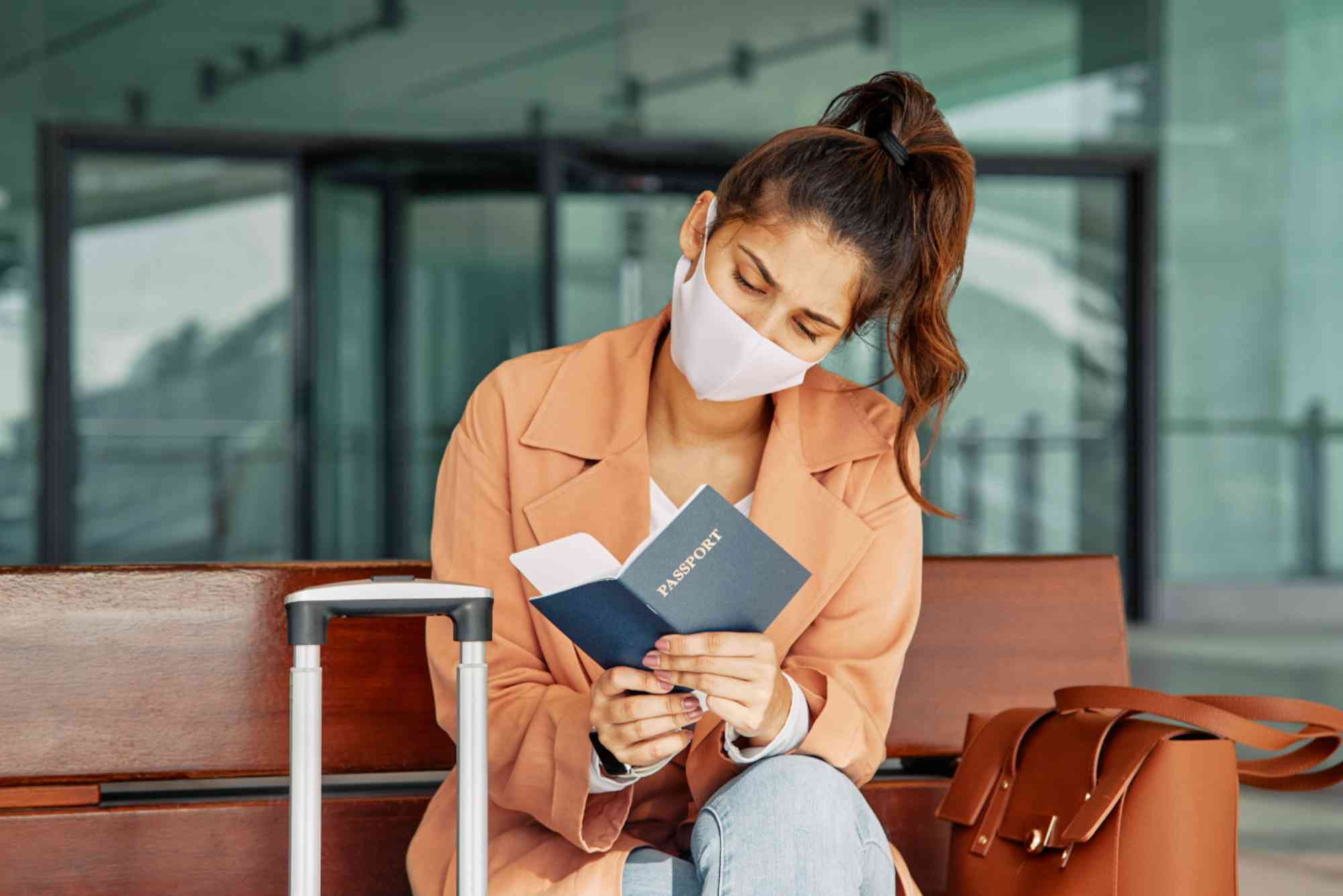
If you’re undergoing in vitro fertilization (IVF), you’re likely feeling hopeful, nervous, and full of questions. One common concern many patients have is, “Can I travel after IVF?” Especially after embryo transfer, women want to know whether moving around—especially long-distance travel—might impact their chances of success. This article addresses those concerns in detail, offering clear, expert-backed insights on traveling after embryo transfer, including what’s safe, what to avoid, and what doctors usually recommend.
Understanding the Embryo Transfer Phase
Embryo transfer is one of the final and most crucial steps in the IVF process. After fertilization occurs in the lab, a viable embryo is selected and implanted into the uterus. The goal is for it to attach to the uterine lining, leading to a successful pregnancy. This period, typically the first 5 to 10 days post-transfer, is often referred to as the “two-week wait.” It’s during this time that many women wonder if traveling might interfere with implantation.
Can I Travel After IVF?
In most cases, yes, you can travel after IVF, especially after the embryo transfer. However, this comes with a few important considerations. While traveling in itself does not negatively impact implantation or IVF success, the physical and emotional stress associated with it could have an indirect effect. So, it’s not about movement—it’s about how your body and mind respond to travel.
For example, flying in a plane or riding in a car won’t cause an embryo to dislodge. The uterus is a highly protected space, and once the embryo is placed, it’s safe from external jostling. That said, your focus should be on minimizing stress, avoiding physical exhaustion, and keeping your environment as stable as possible.
What Doctors Recommend After Embryo Transfer
Fertility specialists generally agree that moderate physical activity, including walking or light movement, is safe post-transfer. However, recommendations about travel can vary depending on individual cases. If your IVF cycle involved any complications, or if your doctor considers your case high-risk, they might advise avoiding travel altogether.
Most clinics suggest taking it easy for at least 24–48 hours after the embryo transfer. This doesn’t mean strict bed rest but rather avoiding strenuous activities, including long travel days or lifting heavy luggage. After the first few days, if you’re feeling well and your doctor gives the green light, short trips or local travel are typically considered safe.

Timing Matters: When Is It Safe to Travel?
The timing of your travel plays a key role. Here’s a general guideline:
- First 24–48 hours post-transfer: It’s best to rest and remain close to your fertility clinic in case of any side effects.
- Day 3 to 5: If you feel comfortable and your clinic gives approval, light travel is acceptable. Flying is generally considered safe.
- After pregnancy confirmation: Once a blood test confirms pregnancy (usually around Day 12 to 14), traveling becomes safer, especially if it’s for short periods.
If you must travel during the two-week wait, ensure you have access to your fertility medication, are well-hydrated, and can reach medical care if needed.
Types of Travel: What’s Safe, What to Avoid
All travel is not created equal. Here’s what to consider depending on your travel plans:
- Air Travel: Short flights are generally safe after embryo transfer. Most airlines allow flying during early pregnancy stages without any issue. However, the dry air and long sitting periods can lead to dehydration or blood clots. To stay safe, drink plenty of water, wear compression socks, and walk around periodically.
- Road Trips: Long drives may involve sitting in one position for hours, which can be uncomfortable. Take frequent breaks, stretch your legs, and avoid bumpy rides if possible.
- International Travel: This is usually discouraged during the early post-transfer phase. Not only are long-haul flights more tiring, but access to emergency care and medications could be compromised if you’re overseas.
If travel is absolutely necessary, plan ahead meticulously. Bring extra doses of all medications, stay in accommodations that offer comfort and privacy, and identify local clinics or hospitals just in case.
Medication Management While Traveling
After embryo transfer, you’re likely on a regimen of medications such as progesterone supplements, estrogen patches, or injections. Missing even a single dose can impact your cycle. So if you’re asking “Can I travel after IVF?”, you must also ask, “Can I manage my meds while traveling?”
Keep medications in your carry-on if flying, store injectables in a cooler if needed, and bring copies of prescriptions and your treatment schedule. Also, ensure you have access to a safe and private space to administer injections or apply patches on time.
If you’re traveling across time zones, work with your fertility nurse to adjust the medication timing accordingly. Some women prefer using alarms or apps to avoid any confusion.
The Emotional Aspect of Traveling After IVF
Beyond the physical side, travel can also take an emotional toll—especially during the anxious two-week wait. You might feel unsettled in a new environment, be unable to fully relax, or miss the supportive presence of your partner or family.
That said, some women find that a short, restful trip helps distract them and reduce stress. A weekend in a peaceful location, for example, could help you relax and boost your mood—both of which may be beneficial post-IVF. Listen to your body and your emotions; there is no one-size-fits-all answer.
Practical Travel Tips for Post-IVF Care
- Pack all fertility medications in an organized, easily accessible way.
- Stay hydrated and eat balanced meals, even on the go.
- Avoid heavy lifting—use luggage with wheels.
- Wear loose, comfortable clothing to avoid abdominal pressure.
- Keep your travel plans flexible in case you need to reschedule or cut things short.
- Book direct flights where possible to minimize stress.
- If traveling by car, keep your route close to hospitals or clinics.
Real-Life Experiences: What Other IVF Patients Say
Many IVF patients have traveled after embryo transfer without complications. Some even flew internationally and still had successful pregnancies. Others chose to stay home and rest. The key takeaway from countless personal stories is this: Every body is different, and each journey is unique.
One woman shared how she took a four-hour flight the day after transfer and kept up her medication schedule perfectly. She now has a healthy baby. Another preferred to stay at a hotel near the clinic for a few days, just for peace of mind. Both approaches worked. What mattered most was their comfort and careful planning.
When Not to Travel After IVF
While traveling is generally safe, there are situations where staying home is strongly advised:
- If you had complications like ovarian hyperstimulation syndrome (OHSS)
- If your clinic strongly recommends rest due to specific risks
- If you feel unwell, bloated, or emotionally distressed
- If traveling means you might miss critical follow-up appointments or lab tests
Trust your instincts. If something doesn’t feel right, delay your trip. The early stages of IVF are delicate, and your peace of mind is worth more than any travel plan.
Prioritize Your Comfort and Peace of Mind
So, can you travel after IVF? Yes, you generally can. But the decision should be based on how you feel physically, emotionally, and what your doctor advises. While movement or flying won’t harm the embryo, stress, dehydration, and missed medications might. If you must travel, do it with care, planning, and mindfulness.
Ultimately, whether you choose to stay home and relax or take a restful getaway, the most important thing is to care for yourself in every way—body, mind, and spirit.
If you’re navigating IVF and need personalized guidance on travel or lifestyle choices, consult your fertility clinic. For more support and expert insights, subscribe to our newsletter and receive weekly tips on IVF success, wellness, and self-care.
FAQs
Can I fly after IVF embryo transfer?
Yes, you can fly after embryo transfer, especially short domestic flights. There’s no evidence that flying harms the embryo. However, it’s best to wait 24–48 hours and check with your doctor.
Is it safe to travel during the two-week wait?
Travel during the two-week wait is safe if planned carefully. Avoid high-stress trips, carry all medications, and ensure easy access to healthcare in case of emergencies.
Can traveling reduce my chances of IVF success?
No, traveling doesn’t directly affect IVF success rates. What matters more is managing stress, taking medications correctly, and avoiding physical strain.
What precautions should I take while traveling post-transfer?
Stay hydrated, avoid heavy lifting, manage medication schedules, wear comfortable clothes, and rest often. Also, keep your doctor’s contact handy in case you need advice during the trip.
Do I need bed rest after embryo transfer?
Bed rest is no longer recommended unless your doctor specifically advises it. Light movement and normal daily activities are generally encouraged post-transfer.