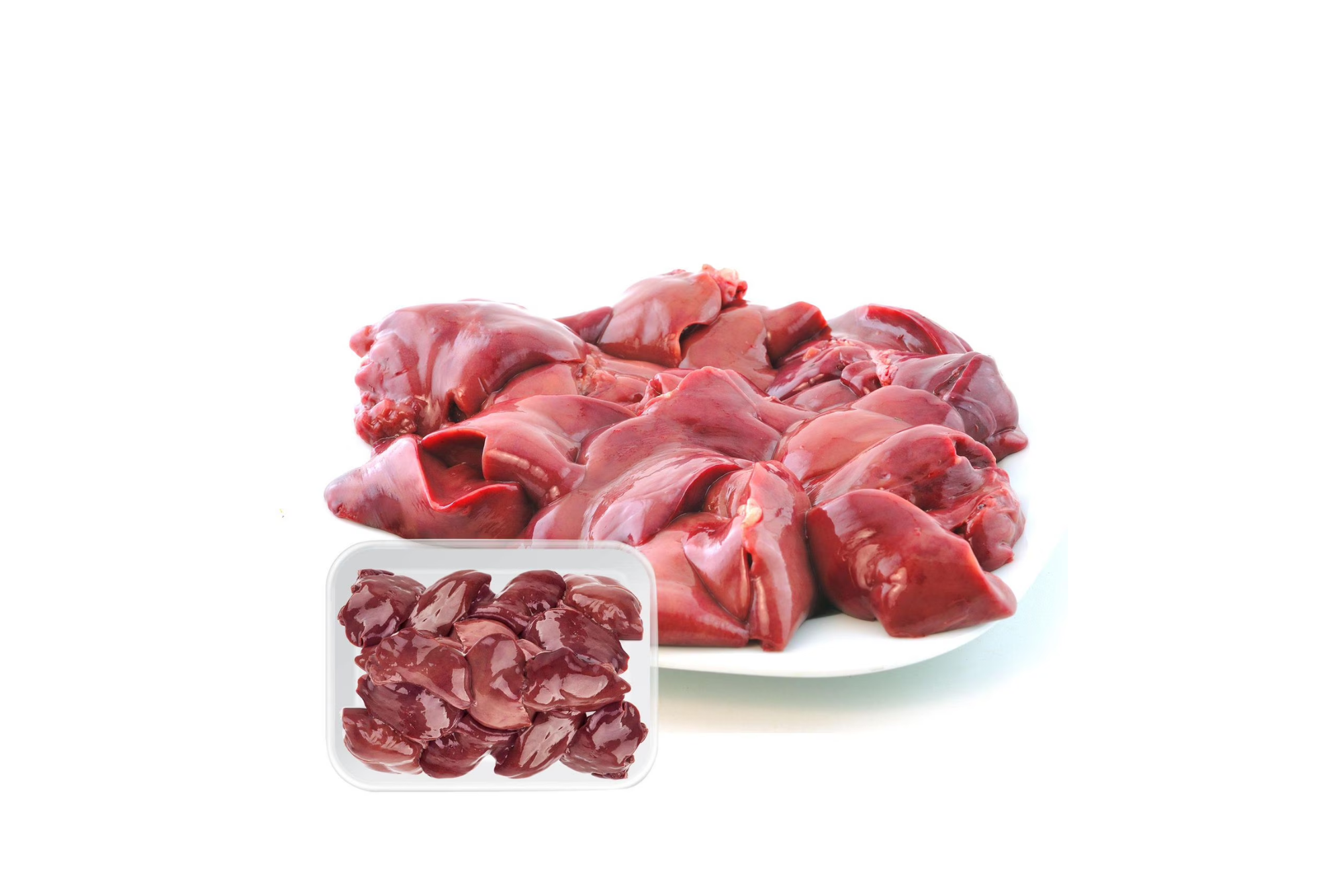
Chicken Liver Nutrition Benefits and Health Facts
Chicken liver, though often overlooked, is one of the most nutrient-dense foods available. It has been a staple in many cultures for centuries and is known for its remarkable health benefits. Packed with vitamins, minerals, and protein, chicken liver nutrition can be a game-changer for those looking to boost their diet with real, whole foods.
Chicken liver is a rich source of essential nutrients like vitamin A, iron, folate, and vitamin B12. These nutrients play crucial roles in supporting immune function, red blood cell production, and maintaining healthy skin and vision. Whether you’re aiming to improve your energy levels, support pregnancy, or recover from anemia, understanding the health facts of chicken liver can guide you toward smarter dietary choices.
Why Chicken Liver Deserves a Spot in Your Diet
When most people think of superfoods, chicken liver may not come to mind. However, it’s an incredibly affordable and accessible source of high-quality nutrition. Unlike heavily processed supplements, chicken liver offers these benefits in their natural, bioavailable form—meaning your body can absorb and use them more efficiently.
Adding chicken liver to your meals just once or twice a week can provide significant health advantages. Not only is it easy to prepare, but it also enhances the nutritional profile of any dish without the need for synthetic additives or expensive powders.
Chicken Liver Nutrition: What’s Inside?
Chicken liver nutrition is impressive, especially when you break down its components. This small organ meat packs a powerful punch when it comes to nutrients that are often lacking in the average modern diet.
Rich in Vitamin A
Vitamin A is essential for eye health, immune support, and skin regeneration. Just a 100-gram serving of chicken liver can provide over 200% of the recommended daily intake. Unlike synthetic vitamin A, the form found in liver (retinol) is ready to be used by your body without conversion.

High in Iron
Iron is vital for oxygen transport in the blood. Chicken liver is a great source of heme iron, which is more easily absorbed than the non-heme iron found in plant sources. This makes it especially beneficial for women, children, and those with anemia or low energy levels.
Abundant in Vitamin B12
Vitamin B12 is necessary for neurological function and DNA synthesis. It also supports red blood cell production. Chicken liver is one of the richest sources of B12, offering more than 300% of the daily requirement per serving.
Packed with Protein
Protein helps with muscle repair, hormone production, and overall energy. Chicken liver provides around 25 grams of high-quality, complete protein per 100 grams, supporting muscle maintenance and immune strength.
Excellent Source of Folate
Folate, also known as vitamin B9, plays a vital role in cell division and fetal development. Pregnant women or those trying to conceive can benefit greatly from chicken liver’s natural folate content.
Loaded with Choline
Choline is critical for brain health, liver function, and metabolism. While many people are deficient in this nutrient, chicken liver supplies a generous amount in a single serving, supporting cognitive health and detoxification.
Rich in Zinc and Selenium
Both minerals are important for immune response, antioxidant activity, and thyroid function. Including chicken liver in your meals ensures you’re supporting your body’s defense systems and hormonal balance.
Health Benefits of Chicken Liver You Should Know
Eating chicken liver isn’t just about meeting your vitamin and mineral needs. The real power lies in how these nutrients work together to improve overall health.
Supports Energy and Red Blood Cell Production
Thanks to its iron, B12, and folate content, chicken liver helps fight fatigue, weakness, and brain fog. These nutrients are crucial for creating healthy red blood cells and delivering oxygen to tissues throughout the body.
Boosts Immune Function
Vitamin A, zinc, and selenium found in chicken liver strengthen the immune system. They help the body fend off infections, reduce inflammation, and support faster recovery during illness.
Promotes Healthy Vision and Skin
The high levels of vitamin A promote cell regeneration, which supports skin repair and maintains clear vision. It can also help with dry eyes, acne, and skin elasticity.
Enhances Brain and Nervous System Health
With nutrients like choline, B12, and folate, chicken liver supports neurotransmitter production, memory, and focus. Regular consumption may help reduce the risk of age-related cognitive decline.
Aids Fertility and Pregnancy
The folate in chicken liver supports fetal neural tube development, while the iron prevents maternal anemia. B vitamins also play a role in hormone regulation and egg quality.
Supports Muscle Repair and Growth
Its high protein content helps rebuild muscles after exercise or injury. Athletes and physically active individuals can benefit from incorporating liver into their diet.
How Much Chicken Liver Is Safe to Eat?
Despite its impressive nutrition, moderation is key. Consuming chicken liver once or twice per week is generally considered safe and beneficial. Eating it too frequently, especially in large amounts, could lead to vitamin A toxicity over time. This is more of a concern with synthetic supplements, but it’s still wise to rotate liver with other protein sources for balance.
Pregnant women should also be cautious, as very high levels of vitamin A in early pregnancy can be harmful. Consulting with a healthcare provider before adding large amounts of liver to the diet is always advisable.
How to Cook Chicken Liver for Maximum Nutrition
Cooking liver the right way ensures you preserve its nutrients and enjoy its taste. Avoid overcooking, as this can toughen the texture and reduce vitamin content. Here are a few tips:
- Pan-searing with onions and herbs enhances flavor and retains moisture
- Marinating in lemon juice or milk before cooking can reduce bitterness
- Combining with vegetables and whole grains makes a well-balanced, nutrient-rich meal
- Blending into pâté or spreads is a creative way to enjoy its benefits without overwhelming the palate
Who Should Avoid Chicken Liver?
While chicken liver nutrition is excellent, certain individuals should approach with caution:
- People with gout: Organ meats contain purines, which can worsen symptoms
- Those with high vitamin A levels: Too much preformed vitamin A can be harmful
- Pregnant women in the first trimester: Limit intake to avoid excess vitamin A exposure
- Those on certain medications: Always consult your doctor before dietary changes
Add Chicken Liver to Your Plate for Real Nutrition
Chicken liver nutrition is a true powerhouse of health benefits. Whether you’re looking to enhance your energy, support brain function, or improve your skin and immunity, liver offers a natural, affordable, and efficient solution. It’s one of the few foods that delivers so much value in such a small serving.
Frequently Asked Questions
Is chicken liver healthier than beef liver?
Both are highly nutritious, but chicken liver tends to be milder in flavor and slightly lower in cholesterol. It’s also rich in folate, which gives it a nutritional edge for pregnant women.
How often should I eat chicken liver?
Once or twice a week is sufficient for most people to gain its benefits without overconsuming vitamin A or cholesterol.
Is chicken liver good for weight loss?
Yes, it’s low in calories and high in protein, which helps keep you full and supports lean muscle mass—both important for healthy weight management.
Can chicken liver help with iron deficiency?
Absolutely. It contains heme iron, the form most easily absorbed by the body, making it ideal for those with anemia or low iron levels.
Is chicken liver safe to eat raw?
No. Raw chicken liver may carry harmful bacteria like salmonella. Always cook thoroughly to reduce health risks.
What are the signs of too much vitamin A from chicken liver?
Symptoms can include headaches, nausea, joint pain, and blurred vision. These are rare when eaten in moderation.