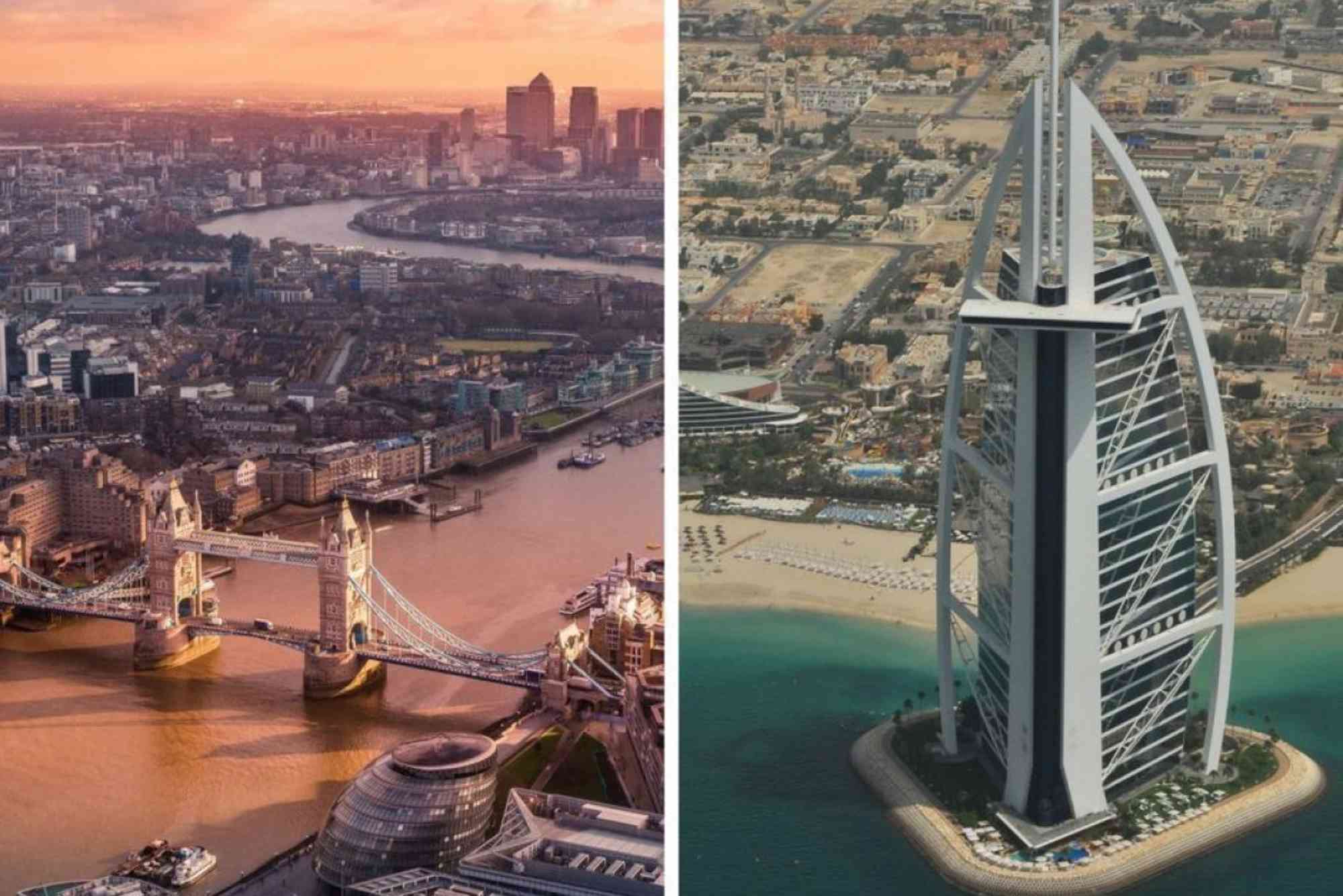
When you’re planning a trip, scheduling a business call, or chatting with friends abroad, time differences can be confusing. The Dubai and London time difference is a common question for travelers and professionals alike. Understanding how this time gap works will help you avoid missed meetings, flight mishaps, or awkward late-night calls.
Let’s explore this topic in simple terms. We’ll break down the time zones, explain why the difference changes during the year, and help you confidently manage your schedule.
Understanding Time Zones
What Are Time Zones?
The world is divided into 24 time zones. Each zone represents one hour of the 24-hour day. Time zones help keep time consistent with the Earth’s rotation and position relative to the sun.
Dubai and London fall into different time zones:
- Dubai is in the Gulf Standard Time (GST) zone.
- London is in the Greenwich Mean Time (GMT) zone or British Summer Time (BST) during daylight saving months.
Standard Time vs. Daylight Saving Time
One key reason the Dubai and London time difference varies throughout the year is daylight saving time (DST). The UK moves the clock forward one hour in the spring and back again in the autumn. Dubai, on the other hand, does not observe DST. Its clocks stay the same year-round.
Time Difference Between Dubai and London
When Daylight Saving Time Is Not in Effect
From late October to late March, London is on GMT (UTC+0). Dubai remains on GST (UTC+4) throughout the year.

Time Difference:
During this period, Dubai is 4 hours ahead of London.
For example, when it’s 12:00 PM in London, it’s 4:00 PM in Dubai.
When Daylight Saving Time Is Active in London
From late March to late October, London shifts to BST (UTC+1). Dubai stays on GST (UTC+4).
Time Difference:
During DST, Dubai is only 3 hours ahead of London.
So, when it’s 12:00 PM in London, it’s 3:00 PM in Dubai.
Summary
- Winter (No DST in London): 4-hour time difference
- Summer (DST in London): 3-hour time difference
It’s a small shift, but it can make a big difference if you’re catching a flight, joining a video call, or booking a hotel.
Why Does Dubai Not Change Its Clocks?
Dubai is located closer to the equator, where daylight hours don’t change drastically throughout the year. As a result, there’s no need for DST. The UAE government has opted for a consistent approach to timekeeping.
This consistency makes it easier for locals and visitors to plan schedules year-round. However, it also means that people coordinating with cities like London must adjust their plans twice a year.
How to Easily Manage the Dubai and London Time Difference
Use Your Smartphone or Calendar App
Most smartphones automatically adjust for daylight saving time. When you add events or meetings in Dubai or London, your phone usually reflects the correct local time.
Tip: Always double-check the time zone settings in your calendar app to avoid surprises.
Set World Clocks
You can add Dubai and London to your world clock list in apps like:
- Apple Clock (iOS)
- Google Clock (Android)
- Outlook or Google Calendar
This allows you to see the current time in both cities at a glance.
Be Careful During the Transition Weeks
The time change in the UK typically happens on the last Sunday in March and the last Sunday in October. During these weeks, it’s especially important to confirm meeting times, especially with international contacts.
Why the Time Difference Matters
For Travelers
Whether you’re flying from Heathrow to Dubai International or the other way around, adjusting to the Dubai and London time difference can help avoid jet lag and missed flights.
Dubai is ahead, so an overnight flight from London usually arrives the next morning, Dubai time. Understanding this helps with booking hotels and planning your first day.
For Business and Meetings
Dubai’s work week runs Sunday to Thursday, while the UK typically works Monday to Friday. Add in the time difference, and it becomes crucial to plan meetings carefully.
For example, if it’s 9:00 AM in London on Monday, it’s 1:00 PM in Dubai—and already halfway through the workday. Miscommunication on meeting times is common unless time zones are clearly stated.
For Expats and Families
Families split between Dubai and London often find the time difference challenging, especially when trying to call or video chat. Being aware of the shift between 3 and 4 hours depending on the season helps keep those connections strong.
Common Tools to Convert Time Accurately
You don’t have to memorize time zones. Here are some easy tools to use:
- Timeanddate.com – Reliable time converter and world clock
- Google Search – Type “time in Dubai” or “Dubai and London time difference”
- World Time Buddy – Great for planning across multiple cities
Real-World Examples
Let’s say you work in London and have a 10:00 AM Zoom call with a client in Dubai.
- In January, that’s 2:00 PM in Dubai.
- In July, it’s 1:00 PM in Dubai.
If you’re flying from London to Dubai, a typical flight departs London around 9:00 PM and lands in Dubai around 8:00 AM the next day—Dubai time. That’s about a 7-hour flight with a time jump included.
Frequently Asked Questions (FAQ)
What is the current time difference between Dubai and London?
It depends on the time of year. It’s either 3 or 4 hours, with Dubai ahead.
Does Dubai observe daylight saving time?
No, Dubai does not change its clocks. The time remains the same year-round.
When does the UK switch to daylight saving time?
The UK moves to daylight saving time on the last Sunday of March and reverts on the last Sunday of October.
How can I schedule meetings across Dubai and London easily?
Use calendar apps that adjust for time zones automatically. Double-check during the weeks DST begins or ends.
Why is there a 3-hour time difference sometimes and 4 hours at other times?
Because London changes its clocks for DST, while Dubai does not. That causes the time gap to shift.
Make Time Zones Work for You
Understanding the Dubai and London time difference doesn’t need to be complicated. Remember, Dubai stays consistent all year, while London shifts with the seasons. A 3- to 4-hour difference might seem small, but it’s critical when planning events, travel, or meetings.