Is It Safe for Muslims?
Monosodium glutamate, commonly known as MSG or E621, is widely used in the food industry to enhance flavor. But for many Muslims, a crucial question arises: Is the E621 food code halal? With religious dietary laws playing a central role in food choices, understanding the ingredients and sources of E621 becomes vital.
In this guide, we’ll explore what E621 is, how it’s made, and whether it meets halal dietary standards. We’ll also answer common questions asked by Muslim consumers, ensuring you can make informed food decisions.
What Is E621 (Monosodium Glutamate)?
A Common Food Additive
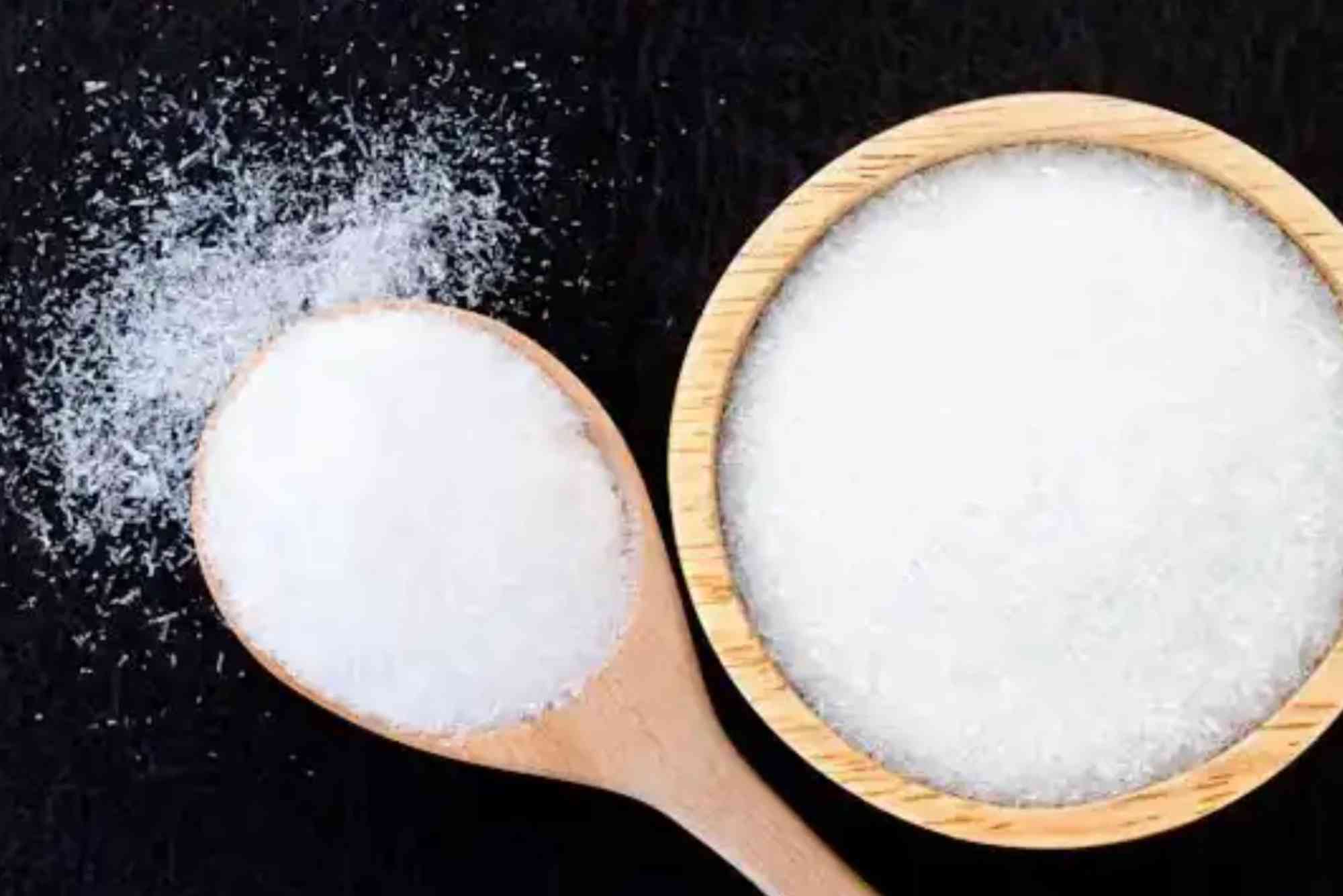
E621, or monosodium glutamate, is a flavor enhancer. It’s popular in processed foods, snacks, instant noodles, canned soups, and fast food. It gives an “umami” or savory taste that intensifies natural flavors in food.
How E621 Is Made
Originally, E621 was derived from natural protein sources like seaweed. Today, it’s mostly produced via fermentation using starch, sugar beets, sugarcane, or molasses. Bacteria ferment these carbohydrates and convert them into glutamic acid, which is then neutralized with sodium to form MSG.
Is E621 Food Code Halal?
The halal status of E621 depends on how it’s sourced and processed. While the additive itself—glutamic acid—is naturally present in many foods, concerns arise when animal-derived enzymes or alcohol are used during fermentation.
When E621 Is Considered Halal
- If it’s made using plant-based carbohydrates and no animal products or alcohol, it is considered halal.
- Halal-certified E621 is processed under strict supervision and carries an authentic certification from recognized Islamic authorities.
When E621 May Be Haram
- If animal-derived enzymes from non-halal slaughtered animals are used.
- If ethanol or alcohol is part of the fermentation or extraction process.
Conclusion: The E621 food code can be halal if it meets specific conditions, especially related to sourcing and processing. Always check for halal certification to ensure safety.

What Do Islamic Scholars Say?
Scholars generally agree that monosodium glutamate is halal, as long as:
- It comes from permissible sources.
- It undergoes no chemical transformation with haram substances.
According to the Islamic Food and Nutrition Council of America (IFANCA) and other bodies, MSG is halal when produced through microbial fermentation using halal-friendly ingredients.
Why the Confusion Around E621?
The Lack of Transparency
Many food labels simply list E621 without disclosing its source. This lack of clarity makes it hard for Muslim consumers to verify whether the additive is halal.
Varying Manufacturing Methods
Not all manufacturers follow the same production standards. Some might use alcohol or animal enzymes in the fermentation process. This inconsistency fuels doubt and mistrust among consumers.
How to Identify Halal E621 Products
- Look for a halal certification logo from a trusted organization like JAKIM, MUIS, or IFANCA.
- Check the manufacturer’s official website or contact customer service for ingredient sourcing details.
- Prefer brands known for halal compliance, especially those catering to Muslim-majority markets.
Health and Safety of E621
Is MSG (E621) Safe to Eat?
According to the U.S. FDA, World Health Organization (WHO), and European Food Safety Authority (EFSA), MSG is generally recognized as safe (GRAS) when consumed in normal quantities.
Possible Side Effects
Some people report mild symptoms like:
- Headaches
- Flushing
- Sweating
- Chest pain
These are often referred to as “Chinese Restaurant Syndrome,” although clinical evidence is limited. If you’re sensitive, moderation is key.
Common Foods That Contain E621
- Instant noodles
- Potato chips and crisps
- Canned soups
- Frozen meals
- Soy sauce and seasonings
- Bouillon cubes
- Processed meats
If you’re concerned about halal compliance, avoid these unless certified.
FAQ: People Also Ask
Is E621 halal in Islam?
In general, E621 is halal if derived from plant-based sources and alcohol-free processes. To be certain, always look for halal certification.
Is E621 a pork product?
No. E621 is not inherently a pork product. However, it can be considered non-halal if produced using pork-derived enzymes or other haram ingredients.
What is E621 made from?
E621 is usually made from fermented carbohydrates such as sugar beets, sugarcane, or starch. It can also involve microbial fermentation.
Can Muslims eat MSG?
Yes, Muslims can eat MSG if it’s halal-certified and does not involve haram ingredients or processing methods.
Is monosodium glutamate harmful?
MSG is safe for most people when consumed in small to moderate amounts. People with sensitivities should monitor their intake.
Real-World Halal Certification Examples
- Nestlé Middle East ensures MSG and E621 used in products are halal-certified.
- Indomie, a popular instant noodle brand, has halal variants clearly labeled for Muslim consumers.
- Maggi seasoning cubes sold in Muslim-majority countries also use halal-certified MSG.
Always verify labels, especially if you’re shopping outside Muslim-majority regions.
Why Halal Verification Is Important
For Muslims, halal food isn’t just a dietary preference—it’s a spiritual obligation. Consuming haram substances, even unknowingly, is a serious concern. Hence, understanding what ingredients like E621 food code halal status means is vital for maintaining religious observance.
How Food Laws Are Evolving
In many countries, especially those with large Muslim populations, regulatory bodies are becoming stricter in labeling and halal certification. Products containing E621 now often specify the source to help Muslim consumers make informed choices.
Tips for Safe Halal Consumption
- Read ingredient lists carefully.
- Use halal certification as your primary filter.
- Don’t hesitate to contact the manufacturer directly.
- Stay updated with fatwas or rulings from trusted Islamic scholars and institutions.
Should Muslims Avoid E621?
E621 food code halal status depends on how it’s sourced and processed. In most cases, when made via microbial fermentation with no haram substances, it’s considered halal. However, due to varying practices, Muslim consumers must stay cautious.
If you’re uncertain about a product containing E621, look for halal certification, or reach out to the manufacturer. When in doubt, it’s safer to avoid it.
Want to stay informed on halal food additives like E621? Subscribe to our newsletter for the latest halal updates, certification news, and expert guidance. Your halal journey starts with knowledge!