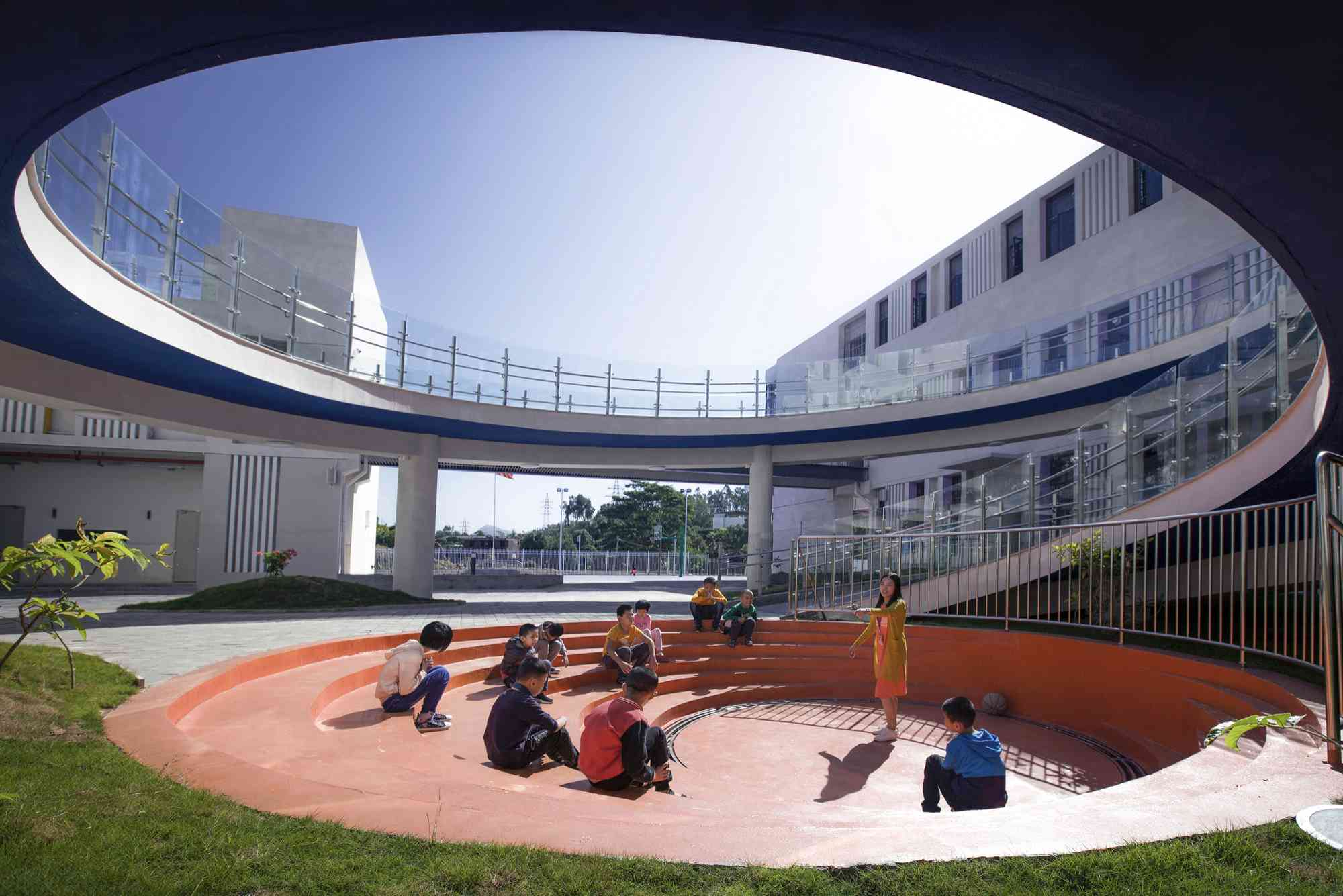
Trends in Educational Design and Architecture
Education has always been a cornerstone of human progress, but in recent years the way we design schools and learning environments has undergone a dramatic transformation. The concept of educational design architecture is no longer about constructing buildings that simply house classrooms. Instead, it now emphasizes spaces that foster creativity, collaboration, inclusivity, and well-being. As the needs of students evolve in a rapidly changing world, architects and educators are reimagining the physical environment to align with modern teaching philosophies and technological advancements.
The Rise of Flexible Learning Environments
One of the most significant trends in educational design architecture is flexibility. Gone are the days of rigid classroom layouts with desks lined up in rows facing a single chalkboard. Today’s schools prioritize adaptable spaces that can accommodate a variety of learning styles. Movable furniture, modular partitions, and multipurpose areas allow teachers and students to reconfigure spaces for group discussions, individual study, or project-based learning. This approach reflects the shift away from passive learning toward active, student-centered education.
Technology Integration in Space Planning
Technology has become an integral part of education, and architectural design must respond to this reality. Modern classrooms include seamless connectivity, interactive whiteboards, charging stations, and virtual learning hubs. Designers also focus on creating digital-ready spaces where online and offline learning can blend naturally. As hybrid and remote learning models become more common, schools need environments that support both in-person engagement and digital collaboration without compromising accessibility.
Sustainability as a Driving Force
Sustainability has moved from a buzzword to a necessity in educational design architecture. Schools are being built with eco-friendly materials, energy-efficient systems, and designs that promote natural light and ventilation. Green roofs, solar panels, and rainwater harvesting systems not only reduce environmental impact but also serve as teaching tools for students. By embedding sustainability into school architecture, educators can instill environmental awareness in learners from an early age.
Health and Well-Being in Educational Spaces
Post-pandemic awareness of health has highlighted the need for safe and supportive school environments. Architects are now paying greater attention to air quality, acoustics, and natural lighting. Biophilic design, which incorporates natural elements like greenery, water features, and natural textures, is gaining momentum. Studies show that exposure to natural elements reduces stress and boosts concentration, making biophilic design a valuable tool in education.
Designing for Inclusivity and Accessibility
Another important trend in educational design architecture is the emphasis on inclusivity. Schools are designed to accommodate students with diverse abilities, ensuring equal access to learning opportunities. Wheelchair-friendly pathways, tactile flooring, assistive technologies, and sensory-friendly rooms are becoming standard features. Inclusivity also extends to cultural sensitivity, with designs reflecting the diversity of student populations and promoting a sense of belonging.

The Role of Community in School Design
Schools are increasingly seen as community hubs rather than isolated institutions. Modern educational architecture incorporates spaces that can serve dual purposes—supporting both students and the surrounding community. Auditoriums, libraries, sports facilities, and outdoor areas are designed for shared use, encouraging stronger ties between schools and neighborhoods. This integration reinforces the idea that education is a collaborative effort involving families, communities, and institutions.
Blending Tradition with Innovation
While many trends focus on new technologies and modern approaches, educational design architecture also values tradition. Some schools incorporate historical elements or cultural heritage into their design to maintain continuity with the past. Blending innovation with tradition ensures that schools feel familiar while still being forward-looking. This balance can create spaces that inspire both pride and progress.
Outdoor Learning and Nature-Based Design
The growing awareness of mental health and environmental education has made outdoor learning spaces increasingly popular. Courtyards, open-air classrooms, and gardens are no longer optional extras but integral parts of school design. These spaces allow students to connect with nature while learning, encouraging curiosity and creativity. Outdoor design also provides opportunities for physical activity and social interaction beyond the classroom walls.
Future-Focused Educational Architecture
Looking ahead, educational design architecture is expected to keep evolving with changes in pedagogy, technology, and societal needs. Artificial intelligence and smart building technologies may soon play larger roles in how schools function. Imagine buildings that automatically adjust lighting and temperature for optimal learning or AI-driven systems that personalize classroom layouts based on scheduled activities. Such innovations will further align school environments with the goal of maximizing student success.
Global Influences on Local Designs
Global trends in education also influence architectural choices. Scandinavian schools, known for their minimalist design and strong focus on student well-being, have inspired many institutions worldwide. Similarly, Asian schools that emphasize compact yet highly efficient use of space provide valuable insights into design solutions for urban areas. Educational architecture is increasingly becoming a global dialogue where ideas cross borders and adapt to local contexts.
Challenges in Educational Design Architecture
Despite the exciting trends, challenges remain. Budget constraints often limit the ability to implement advanced design solutions. Many schools, especially in developing regions, still struggle with basic infrastructure needs. Balancing innovation with affordability is one of the biggest challenges for educational architects. Additionally, ensuring that new designs remain adaptable for decades to come requires foresight and careful planning.
Conclusion: Building the Future of Learning
Educational design architecture is much more than construction; it is about shaping the future of learning. By prioritizing flexibility, sustainability, inclusivity, and community integration, schools can become spaces that inspire and empower students. As technology advances and societal needs shift, architecture must keep pace to ensure that learning environments remain relevant and effective. Whether through biophilic design, flexible spaces, or community-centered planning, the ultimate goal remains the same: to support learners in reaching their full potential.
If you are planning to invest in or design an educational facility, now is the time to embrace these trends. A well-designed school is not just a building—it is a foundation for lifelong learning and community growth. Consult with experienced educational architects and explore how these trends can be adapted to your vision for the future.
Frequently Asked Questions
What is educational design architecture?
Educational design architecture refers to the planning and construction of schools and learning spaces that support modern teaching methods, technology integration, and student well-being.
Why is flexibility important in school design?
Flexible spaces allow for different teaching styles, from group projects to individual learning, creating environments that adapt to student needs.
How does architecture affect learning outcomes?
Research shows that factors like natural light, air quality, and space design directly impact concentration, motivation, and academic performance.
What role does sustainability play in educational architecture?
Sustainable design reduces environmental impact while teaching students the value of environmental stewardship through eco-friendly spaces.
What are the latest trends in school design?
Trends include flexible classrooms, biophilic design, outdoor learning spaces, inclusive architecture, and the integration of smart technologies.