Traditional Recipe and Cultural Significance
Egyptian food kofta is more than just a delicious dish; it is a symbol of the rich culinary heritage of Egypt. This flavorful ground meat preparation has delighted families for generations, blending aromatic spices and cultural traditions in every bite. In this article, we explore the traditional Egyptian kofta recipe, its cultural importance, and why it remains a beloved staple in Egyptian cuisine today.
Introduction
When it comes to Middle Eastern cuisine, kofta holds a special place, and the Egyptian variant has its unique identity. Egyptian food kofta features a simple yet aromatic blend of ground meat mixed with herbs and spices, usually served grilled, baked, or simmered in a rich tomato sauce. Whether in the bustling streets of Cairo or at family gatherings, kofta remains a comforting and communal dish. This article guides you through making authentic Egyptian kofta and uncovers its significance in Egyptian culture.
What is Egyptian Food Kofta?
Egyptian kofta is a type of minced meat dish made from ground beef or lamb combined with onions, garlic, herbs, and spices. The mixture is shaped into small cylinders or balls and cooked in various ways. Unlike some other regional koftas, the Egyptian style emphasizes a balance of flavors, relying on simple ingredients that bring out the meat’s natural taste enhanced by warm spices like cumin and coriander.
Key Ingredients in Egyptian Kofta
The traditional Egyptian food kofta relies on a handful of essential ingredients:
- Ground meat: Usually beef or lamb, sometimes a mix.
- Onions: Finely chopped or grated to add moisture and flavor.
- Garlic: Adds a pungent, savory depth.
- Fresh herbs: Parsley and cilantro are commonly used.
- Spices: Ground cumin, coriander, black pepper, and sometimes cinnamon or allspice.
- Breadcrumbs or soaked bread: To bind the mixture and keep it tender.
- Salt: Essential to enhance all flavors.
Traditional Egyptian Kofta Recipe
Making authentic Egyptian kofta is straightforward but requires attention to detail. Here’s how you can recreate this iconic dish at home.
Preparing the Kofta Mixture
Start by combining ground meat with finely chopped onions and garlic. Add freshly chopped parsley and cilantro to brighten the flavor. Then, sprinkle the spices—cumin and coriander are must-haves, but a pinch of cinnamon or allspice can add complexity.

Mix the ingredients well, adding soaked bread crumbs to bind everything together. The mixture should be moist but firm enough to hold shape when formed.
Shaping the Kofta
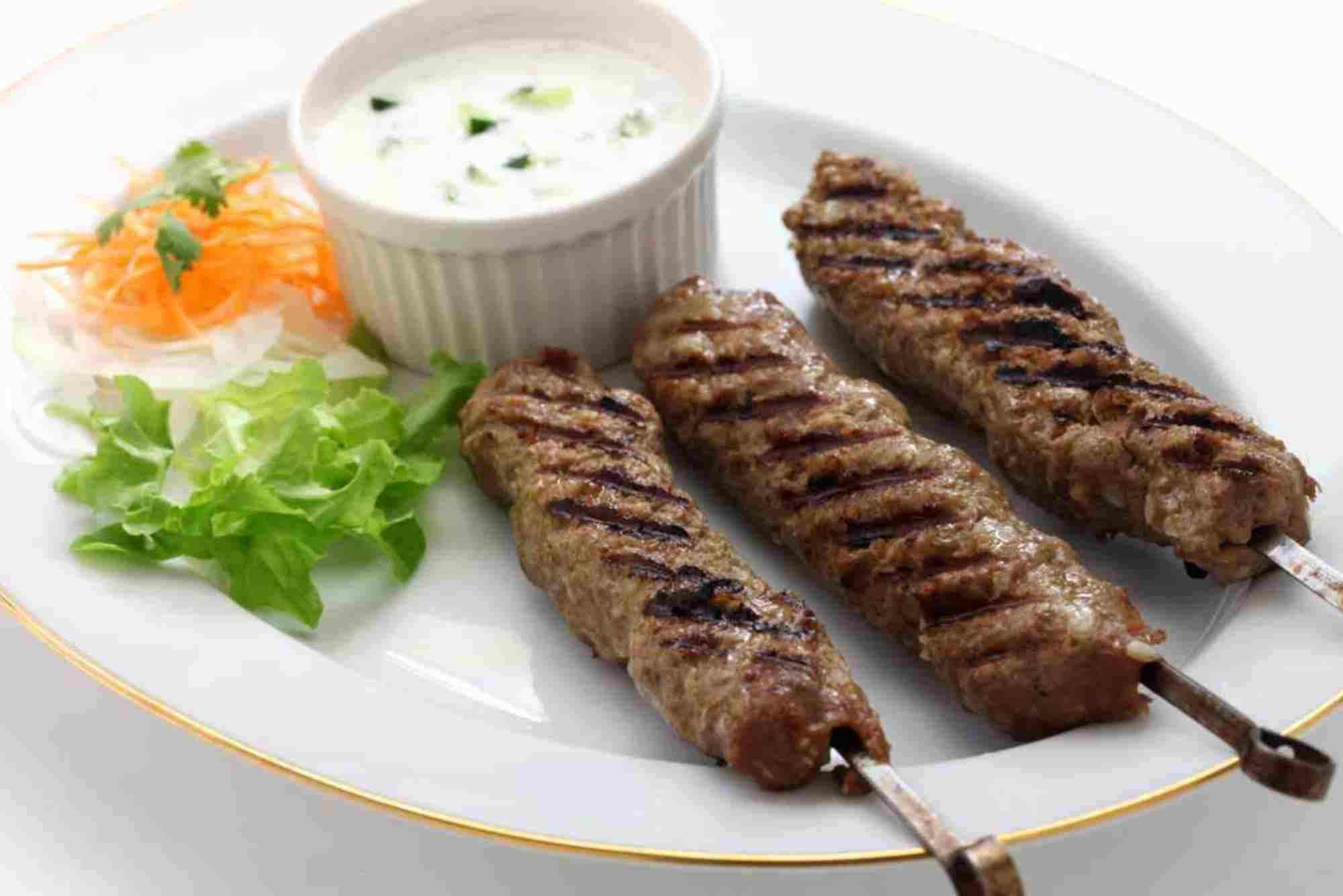
Traditionally, kofta is shaped into small cylinders or elongated balls around skewers. This shape helps them cook evenly, especially when grilled or baked.
Cooking Methods
- Grilling: Kofta skewers are grilled over charcoal or a grill pan for a smoky, charred flavor.
- Baking: Baking kofta in the oven is an easier, less messy alternative.
- Simmering: Egyptian kofta is also simmered in a rich tomato sauce, making it tender and flavorful.
Serving Suggestions
Egyptian kofta is typically served with warm pita bread, rice, or Egyptian flatbread called baladi. Accompaniments include tahini sauce, fresh salad, or pickled vegetables.
Cultural Significance of Egyptian Food Kofta
Kofta in Egypt goes beyond the plate; it carries cultural and social weight.
A Dish for Celebrations and Family
Egyptian families often prepare kofta for gatherings, special occasions, and holidays. Its easy-to-share nature makes it ideal for communal meals, reinforcing bonds through food.
Regional Variations Reflect Local Traditions
Though the basic recipe remains consistent, small regional tweaks occur across Egypt. Coastal areas might incorporate more spices or herbs, while rural communities emphasize fresh, local ingredients.
Historical Roots
Kofta’s origins trace back to the Ottoman Empire, but Egypt adapted the recipe to its local palate. Over centuries, it became embedded in Egyptian food culture as a beloved comfort dish.
Health Benefits of Egyptian Kofta
Using lean meats and fresh herbs, Egyptian kofta can be a nutritious choice when prepared mindfully. The protein content supports muscle health, while spices like cumin aid digestion.
Tips for Perfect Egyptian Food Kofta
To master Egyptian kofta, consider these expert tips:
- Use freshly ground meat for the best texture.
- Don’t overmix the ingredients; handle gently for tender kofta.
- Let the mixture rest before cooking to meld flavors.
- Cook on medium-high heat to get a nice crust without drying out.
Frequently Asked Questions (FAQ)
What makes Egyptian kofta different from other Middle Eastern koftas?
Egyptian kofta stands out by its simpler spice profile and emphasis on fresh herbs. Unlike some Middle Eastern versions that may include pine nuts or different spice blends, Egyptian kofta uses familiar spices like cumin and coriander for a balanced flavor.
Can I make Egyptian kofta with chicken or vegetarian alternatives?
Traditional Egyptian kofta uses red meat, but modern adaptations allow ground chicken or turkey. For vegetarians, kofta can be made from lentils, chickpeas, or mushrooms mixed with similar spices and herbs.
How should I store leftover kofta?
Leftover kofta should be refrigerated in an airtight container and consumed within 2-3 days. Reheat gently to avoid drying out.
Is Egyptian kofta served with any sauces?
Yes, kofta pairs wonderfully with tahini sauce, garlic yogurt sauce, or a spicy tomato sauce.
Can I freeze Egyptian kofta?
Absolutely. Shaped but uncooked kofta can be frozen for up to a month. Thaw completely before cooking.
Egyptian food kofta is a flavorful, traditional dish that captures the heart of Egypt’s culinary identity. Its simple yet rich blend of spices, fresh herbs, and quality meat makes it a comforting choice for any occasion. By mastering the authentic recipe, you connect not only with a delicious meal but also with centuries of Egyptian culture and hospitality.
Ready to try this authentic Egyptian kofta recipe? Gather your ingredients, fire up your grill or oven, and enjoy a taste of Egypt in your own kitchen!