Eukaryotic vs Prokaryotic Cells: Exam PDF Download
Understanding the difference between eukaryotic and prokaryotic cells is one of the most fundamental topics in biology. These two types of cells form the basis of all living organisms. Whether you’re preparing for a biology exam, an entrance test, or a competitive science quiz, mastering this topic is essential. In this detailed guide, we will explain everything about eukaryotic and prokaryotic cells, their structure, differences, and similarities, and provide you with access to eukaryotic and prokaryotic cells exam questions PDF for effective preparation.
Introduction to Cells
Cells are the building blocks of life. Every living organism, from the simplest bacterium to complex human beings, is composed of cells. These cells are categorized into two main types based on their structure and organization — prokaryotic cells and eukaryotic cells. The main difference between them lies in the presence or absence of a true nucleus and membrane-bound organelles.
Prokaryotic cells are the simpler and more ancient form of life, found in organisms like bacteria and archaea. Eukaryotic cells, on the other hand, are more complex and found in plants, animals, fungi, and protists.
If you are preparing for biology exams like NEET, MCAT, or school-level assessments, you’ll often encounter questions comparing eukaryotic and prokaryotic cells. Downloading a PDF with exam questions can make your study sessions more structured and productive.
What Are Prokaryotic Cells?
Prokaryotic cells are the simplest type of cells that lack a true nucleus and other membrane-bound organelles. Their genetic material is not enclosed within a nuclear membrane; instead, it is found in a region called the nucleoid.
Characteristics of Prokaryotic Cells
Prokaryotic cells are generally small, ranging from 0.1 to 5 micrometers in size. They have a simple structure and reproduce through binary fission, a type of asexual reproduction. Their cell wall provides shape and protection, and they usually have a plasma membrane that controls the movement of substances in and out of the cell.

The main components of prokaryotic cells include the cytoplasm, ribosomes, plasma membrane, and genetic material (DNA). Some prokaryotes also have flagella or pili for movement and attachment.
Examples of Prokaryotic Cells
Common examples include bacteria like E. coli, Streptococcus, and archaea found in extreme environments such as hot springs and salt lakes.
What Are Eukaryotic Cells?
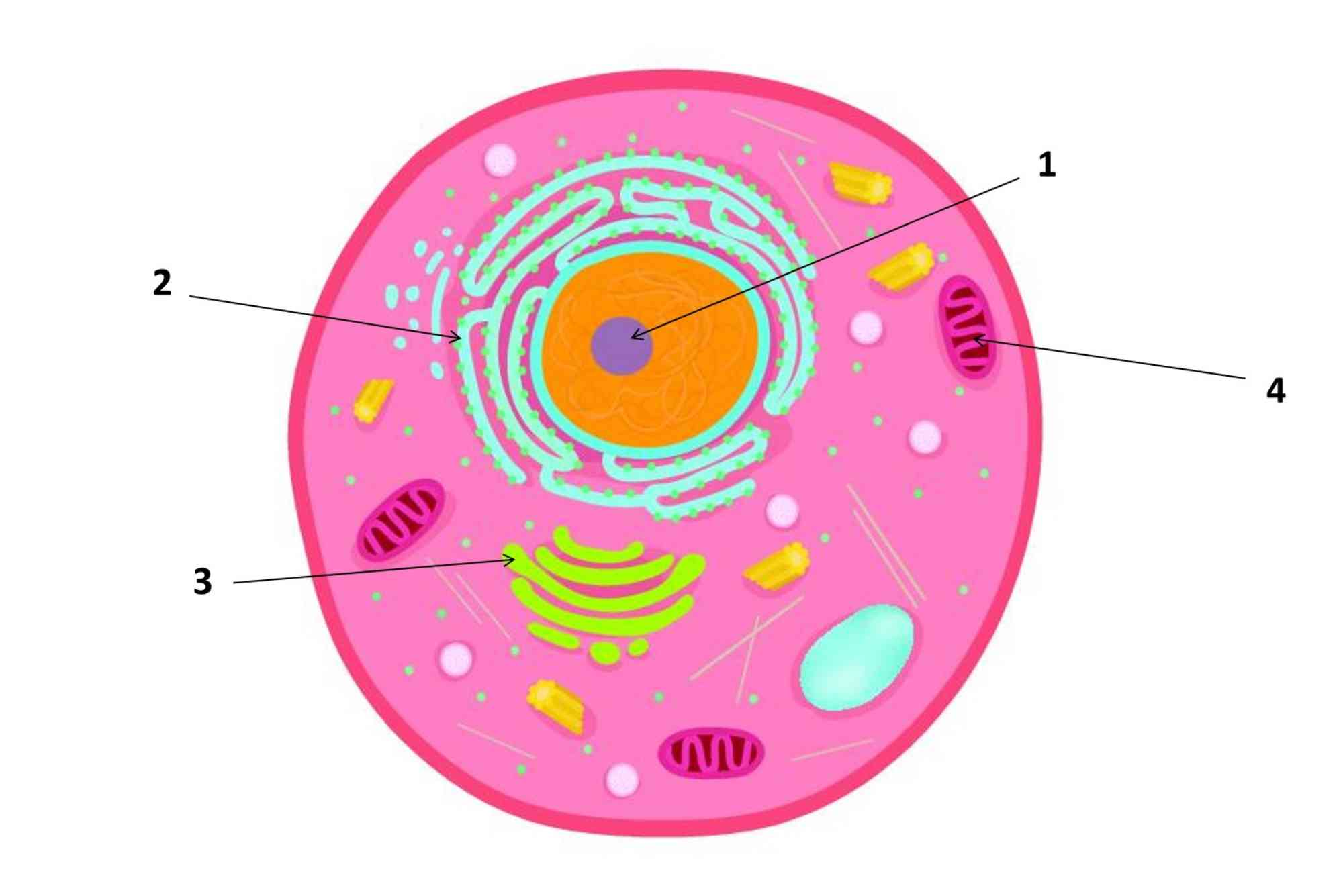
Eukaryotic cells are more advanced, complex, and larger compared to prokaryotic cells. They have a well-defined nucleus enclosed by a nuclear membrane and contain several membrane-bound organelles, such as mitochondria, endoplasmic reticulum, Golgi apparatus, and lysosomes.
Characteristics of Eukaryotic Cells
Eukaryotic cells range from 10 to 100 micrometers in size. They have a complex structure and can exist as single-celled organisms like amoeba or as multicellular organisms like humans. The DNA in eukaryotic cells is linear and organized into chromosomes.
These cells divide through mitosis and meiosis, which allows for both asexual and sexual reproduction. The presence of specialized organelles allows eukaryotic cells to perform various functions efficiently, from energy production to protein synthesis.
Examples of Eukaryotic Cells
Examples include animal cells, plant cells, fungal cells, and protists like paramecium and algae.
Key Differences Between Eukaryotic and Prokaryotic Cells
Understanding the differences between these two types of cells is crucial for biology exams. Below are some important distinctions you should remember while reviewing the eukaryotic and prokaryotic cells exam questions PDF.
Structural Organization
Prokaryotic cells are unicellular and structurally simple, while eukaryotic cells are often multicellular and more complex.
Nucleus and Genetic Material
Prokaryotic cells lack a true nucleus; their DNA is found in the nucleoid region. Eukaryotic cells have a distinct nucleus enclosed by a double membrane where the genetic material is stored.
Organelles
Prokaryotes lack membrane-bound organelles, while eukaryotes contain organelles like mitochondria, chloroplasts, and the Golgi apparatus that perform specific cellular functions.
Cell Division
Prokaryotic cells divide by binary fission, which is a simpler process. Eukaryotic cells divide by mitosis or meiosis, allowing for genetic variation and complex development.
Size and Complexity
Prokaryotic cells are much smaller, typically less than 5 micrometers, whereas eukaryotic cells can be up to 100 micrometers and have more intricate internal organization.
Example Organisms
Prokaryotic organisms include bacteria and archaea, while eukaryotic organisms include animals, plants, fungi, and protists.
Similarities Between Eukaryotic and Prokaryotic Cells
Despite their differences, both cell types share certain basic features since they both represent life at the cellular level. Both have DNA as their genetic material, a plasma membrane that regulates substances entering or leaving the cell, ribosomes for protein synthesis, and cytoplasm where metabolic reactions occur.
These similarities show that both cell types share a common evolutionary origin.
Importance of Understanding These Differences
Grasping the differences between eukaryotic and prokaryotic cells helps students understand the organization of life. This topic forms the foundation for advanced biological studies, including genetics, microbiology, and molecular biology.
For exams, knowing these distinctions helps in answering multiple-choice questions (MCQs), short answers, and diagram-based questions efficiently. That’s why having access to a eukaryotic and prokaryotic cells exam questions PDF can be a valuable resource for revision and practice.
Benefits of Using the Exam Questions PDF
A PDF of eukaryotic and prokaryotic cells exam questions allows you to revise concepts quickly and test your understanding. It includes MCQs, short notes, and diagram labeling exercises. You can print it, study offline, or access it on any device.
This helps you:
- Strengthen conceptual clarity
- Practice commonly asked exam questions
- Prepare for competitive tests like NEET, MCAT, and school-level biology exams
- Improve your diagram-based question-solving skills
Regular practice with exam questions ensures that you retain key facts such as cell size, function, and organelle structure.
Tips for Studying Eukaryotic and Prokaryotic Cells
To effectively study this topic, begin by memorizing definitions and structures. Draw labeled diagrams of both cell types to visualize the differences. Compare their organelles and note which ones are unique to eukaryotic cells.
Create flashcards with terms like nucleus, mitochondria, and ribosomes for quick revision. Review the exam questions PDF regularly to test your memory and understanding.
You can also watch animated videos or interactive cell models to make learning more engaging.
How to Prepare for Exams on This Topic
When preparing for exams, start by understanding the theory before attempting questions. Focus on definitions, diagrams, and differences. Practice MCQs from the exam questions PDF to identify your weak areas. Review key terms like ribosomes, cytoplasm, plasma membrane, and chromatin. Diagrams often carry marks in biology exams, so practice drawing both cell types neatly and labeling every part correctly. Group study can also help you discuss complex points and remember information through teaching others.
Understanding the difference between eukaryotic and prokaryotic cells is essential for anyone studying biology. These two cell types represent the foundation of all living organisms. Prokaryotic cells, being simple, show how life first began, while eukaryotic cells reveal how life evolved into more complex forms.
To reinforce your learning, download the eukaryotic and prokaryotic cells exam questions PDF, practice regularly, and focus on understanding rather than memorizing. Whether you are preparing for a school test, an entrance exam, or just brushing up your biology basics, consistent practice and conceptual clarity are key. Download your Eukaryotic and Prokaryotic Cells Exam Questions PDF today and take the next step toward mastering one of biology’s most important topics. Strengthen your preparation, test your knowledge, and excel in your upcoming exams with confidence.
FAQs
What are the main differences between eukaryotic and prokaryotic cells?
Eukaryotic cells have a true nucleus and membrane-bound organelles, while prokaryotic cells do not.
Do prokaryotic cells have DNA?
Yes, they do. Their DNA is circular and located in the nucleoid region instead of a nucleus.
Which cell type came first, eukaryotic or prokaryotic?
Prokaryotic cells appeared first on Earth and are considered the oldest form of life.
Can prokaryotic cells perform photosynthesis?
Yes, some prokaryotes like cyanobacteria can perform photosynthesis using pigments like chlorophyll.
Why are eukaryotic cells more complex than prokaryotic cells?
Eukaryotic cells contain specialized organelles that perform distinct functions, making them more efficient and capable of forming multicellular organisms.
Where can I download eukaryotic and prokaryotic cells exam questions PDF?
You can download it from educational websites, biology study portals, or academic resource platforms offering cell biology study material.
Related Reading: Efst Exam Questions
Related Reading: Easiest Way to Pass Ielts Exam — full guide