Introduction
The LEGO Mindstorms EV3 Education Kit has become one of the most influential tools for hands-on STEM learning worldwide. Designed for schools, robotics clubs, and individual learners, this kit combines the creativity of LEGO bricks with powerful programmable robotics technology. For educators and students, knowing the full scope of the kit is crucial. Understanding what is inside helps teachers plan lessons, ensures learners use the correct components, and prevents the frustration of missing parts. That is where a comprehensive EV3 education parts list becomes essential.
When someone first encounters the EV3 Education Kit, the question often asked is simple: what exactly comes with it? From the intelligent EV3 brick to sensors, motors, and small but critical connectors, each piece plays a unique role. Without a clear breakdown, it can be overwhelming to track. This article will walk you through the complete EV3 education parts list in detail, explaining the function of each major component, why it matters, and how it contributes to successful learning outcomes.
The EV3 Intelligent Brick
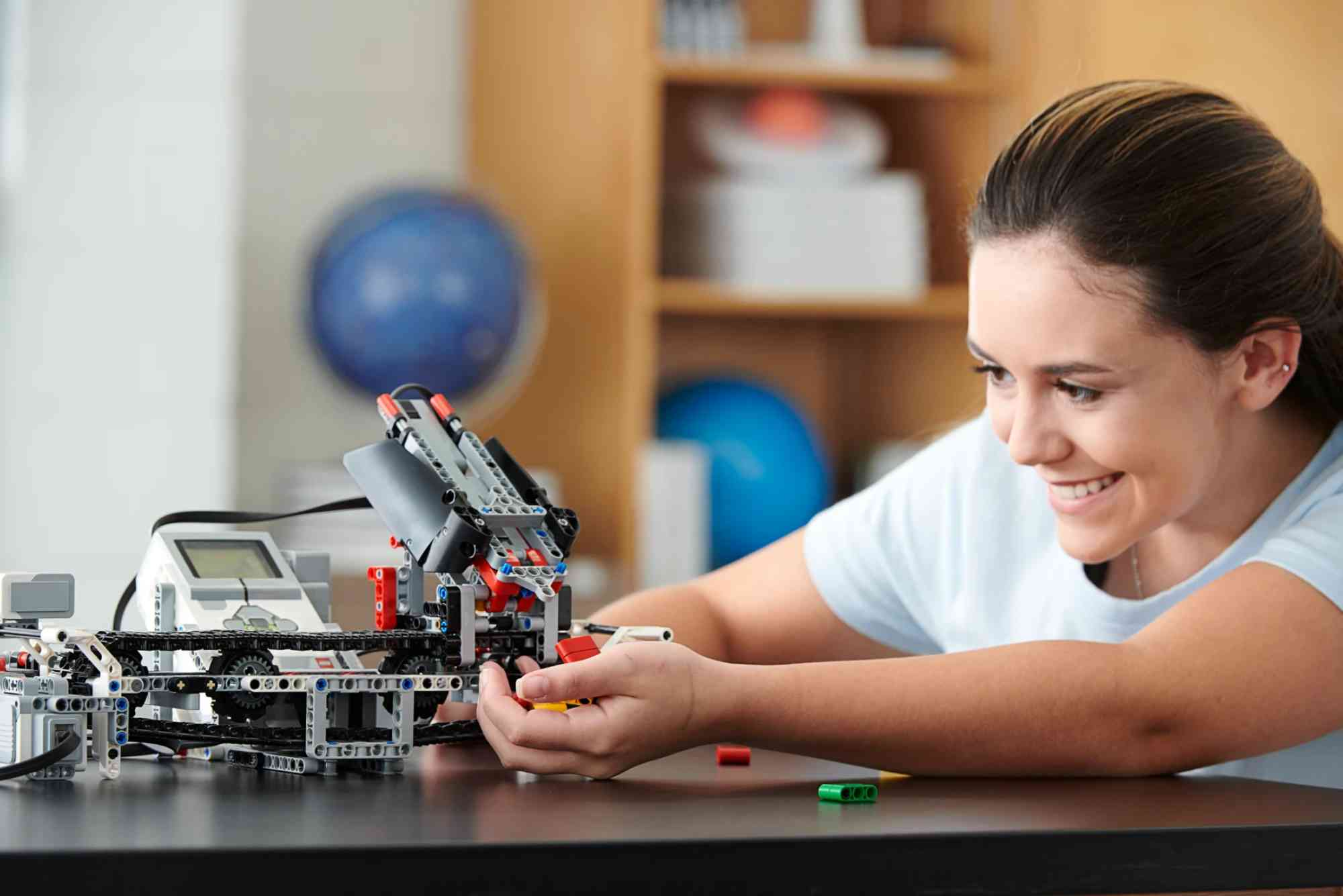
At the heart of the kit is the EV3 Intelligent Brick, the programmable computer that powers every robot built with the set. The brick features a monochrome display, several buttons for navigation, a speaker, a USB port, and a memory card slot. Most importantly, it has four input ports and four output ports, allowing it to connect to sensors and motors. This single unit transforms LEGO pieces from simple building blocks into interactive robots capable of moving, sensing, and responding to their environment. The intelligent brick is the most vital part of the EV3 education parts list because without it, programming and automation would not be possible.
Motors for Movement and Control
The EV3 Education Kit includes large motors and a medium motor. The large motors are designed to provide strong power and precision. They are typically used for driving wheels or larger moving structures. These motors feature built-in rotation sensors, which means they can measure how far or fast they turn. The medium motor, while smaller, is essential for tasks that require faster but less powerful movements. Students often use the medium motor for arms, grippers, or mechanisms that need more speed and agility. Together, the motors give learners the chance to explore engineering concepts like torque, gear ratios, and motion control.
Sensors for Intelligent Interaction
Another essential element of the EV3 education parts list is the variety of sensors included. Sensors allow the robot to gather information about its environment and make decisions based on that data. The kit comes with a color sensor, an ultrasonic sensor, a gyro sensor, and a touch sensor.
The color sensor detects reflected light and distinguishes between different colors. It can be used for tasks like line following or sorting colored objects. The ultrasonic sensor measures distance using sound waves, enabling robots to detect obstacles and avoid collisions. The gyro sensor measures rotational movement, allowing students to experiment with balance, turning angles, and navigation. Finally, the touch sensor works like a button, detecting when it is pressed or released, making it perfect for bumpers or starting mechanisms. These sensors provide the foundation for teaching concepts of feedback, input, and control, which are central to robotics and computer science education.

Structural and Technic Elements
While motors and sensors often get the spotlight, the structural components in the EV3 Education Kit are just as important. The set includes beams, axles, gears, connectors, and frames that allow students to build a wide variety of robots. These pieces form the skeleton and moving parts of each design. Gears demonstrate concepts of speed and torque, axles provide rotational support, and connectors ensure stability. For many educators, these elements are the bridge between simple LEGO play and applied mechanical engineering principles. The EV3 education parts list would not be complete without these structural elements, as they give physical form to the designs imagined by learners.
Cables and Power Supply
To connect sensors and motors to the intelligent brick, the EV3 Education Kit provides special connector cables of varying lengths. These cables ensure flexibility in robot design by allowing components to be placed in different positions without restricting movement. Additionally, the kit includes a rechargeable battery, which can also be swapped out for standard AA batteries when needed. This reliable power source ensures that the robots function smoothly during lessons and experiments, preventing interruptions that could disrupt learning flow.
Storage and Organization
Another often-overlooked yet critical part of the EV3 education parts list is the storage box. LEGO Education designed the kit to come in a durable plastic container with sorting trays. These trays are divided into sections that make it easy to organize small parts such as pins, connectors, and axles. Proper organization is vital in classroom settings where multiple students work together. It helps reduce time wasted looking for pieces and ensures that nothing important goes missing. For teachers managing large groups, this feature can make the difference between a smooth lesson and a chaotic one.
Why the Parts List Matters in Education
Having a complete and accurate EV3 education parts list is not just about knowing what is in the box. It also supports better teaching practices. Teachers can plan projects more effectively when they understand the available resources. They can design lessons that match the kit’s capacity and avoid activities that require unavailable components. Students benefit by learning how to manage resources, check inventories, and problem-solve when certain parts are not available. Additionally, a parts list helps schools manage replacements. With hundreds of small pieces involved, it is natural for some to go missing over time. Knowing exactly what needs to be replaced saves money and reduces downtime.
EV3 Education Kit and STEM Learning
The EV3 Education Kit, supported by its diverse range of components, fosters learning across science, technology, engineering, and mathematics. With motors, sensors, and structural parts, students can design experiments, test hypotheses, and observe outcomes in real time. They do not just learn abstract concepts; they see them applied in practice. For instance, a lesson on angles becomes more engaging when students program a robot to turn precisely using the gyro sensor. A physics concept like force becomes clearer when learners adjust gear ratios to lift a weight. The EV3 education parts list thus represents much more than inventory. It embodies a toolkit for deeper engagement and experiential learning.
Evolution from EV3 to Spike Prime
It is worth noting that LEGO Education has since introduced Spike Prime, a newer robotics kit designed to build upon the legacy of EV3. However, the EV3 remains widely used in schools and competitions due to its robustness and the extensive support materials available. Many educators still rely on the EV3 education parts list to maintain their kits and ensure continuity in their curriculum. This makes the parts list relevant not just for beginners but also for institutions that have invested heavily in EV3 resources over the years.
The EV3 Education Kit continues to empower learners by blending LEGO creativity with advanced robotics technology. Understanding the complete EV3 education parts list is key to unlocking its full potential. From the intelligent brick to sensors, motors, structural elements, and storage, every component has a role to play in shaping educational outcomes. For teachers, knowing the parts ensures smoother lessons. For students, it encourages responsibility and deeper engagement.
If you are an educator, parent, or robotics enthusiast, take the time to familiarize yourself with the full EV3 education parts list. It will help you plan projects, troubleshoot issues, and inspire students to explore the world of robotics with confidence. And if you are missing pieces, now is the perfect time to restock and keep your kit ready for the next generation of learners.
Frequently Asked Questions
What parts are included in the EV3 Education Kit?
The kit includes the EV3 Intelligent Brick, large and medium motors, sensors, cables, LEGO Technic building elements, and a storage box with sorting trays.
How many sensors come with the EV3 Education Kit?
The standard EV3 Education Kit includes four sensors: color, ultrasonic, gyro, and touch.
Can I buy replacement parts for the EV3 Education Kit?
Yes, individual parts are available from LEGO Education and authorized resellers. Having a parts list helps you identify what needs replacing.
Is the EV3 Education Kit still supported?
Although LEGO Education has released Spike Prime, EV3 kits are still widely used in classrooms and competitions, with ongoing support available.
Why is an EV3 education parts list important?
A complete parts list helps educators track inventory, plan lessons, manage resources, and ensure smooth learning experiences without missing components.