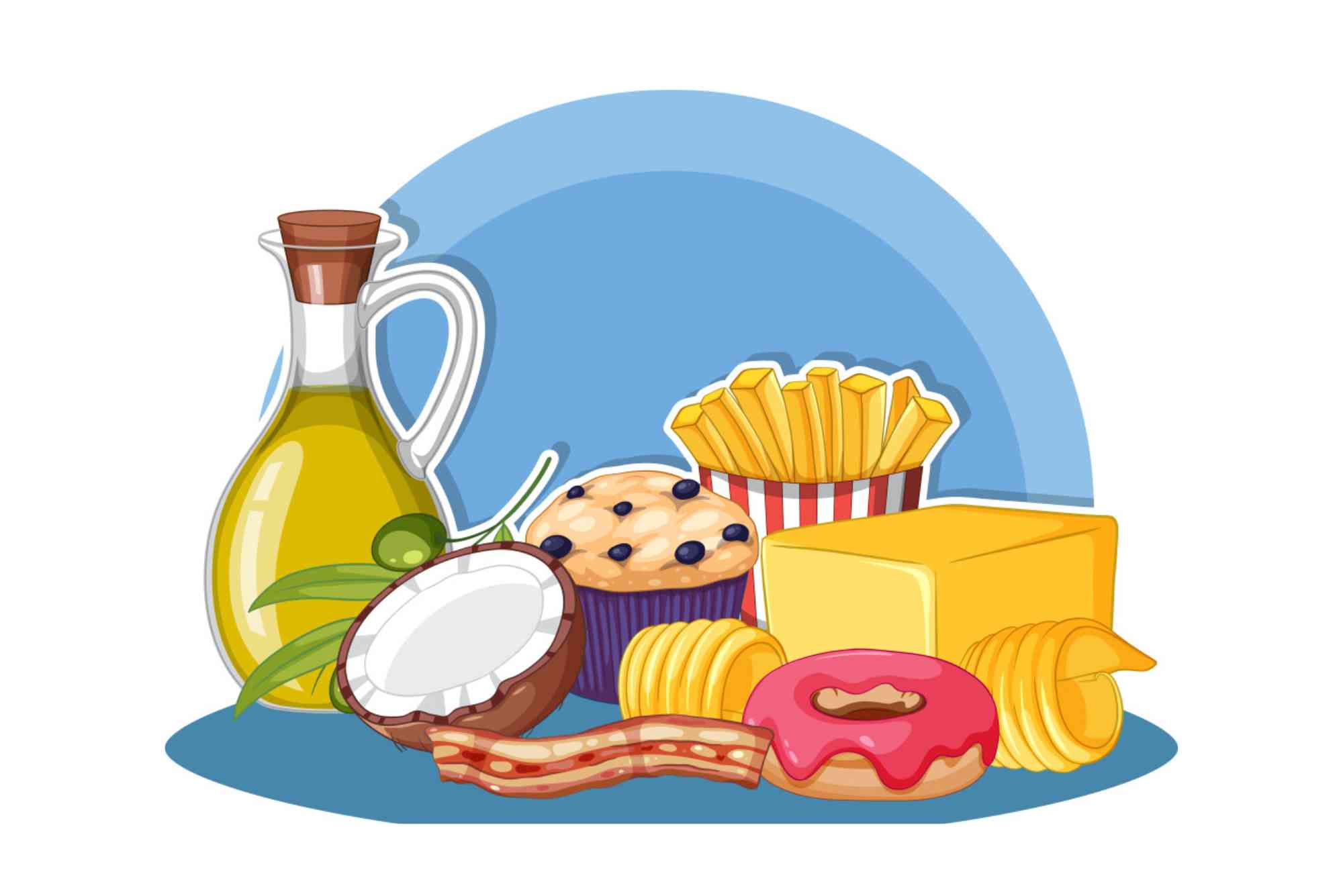
Fat-Rich Food Drawing Ideas for Nutrition Projects
Fat is one of the three essential macronutrients that the human body needs for proper function. In the context of nutrition education, especially in schools or awareness programs, visuals play a key role. One engaging way to make nutrition topics more memorable is through creative art. A “fat rich food drawing” project allows students or educators to explore the world of fats—good and bad—visually and educationally. Whether you’re creating a school display board, working on a science fair, or building a digital presentation, learning how to draw and represent fat-rich foods can add both impact and understanding.
Understanding Fat-Rich Foods Before Drawing
To create meaningful drawings, it’s important to understand what qualifies as fat-rich food. Fats can be divided into healthy and unhealthy categories. Healthy fats are usually unsaturated and are found in items like avocados, nuts, seeds, fish, and olive oil. On the other hand, unhealthy fats are often saturated or trans fats, commonly present in deep-fried foods, packaged snacks, and fatty cuts of red meat. Knowing this distinction will help in selecting the right items for your drawings based on your project’s theme—be it healthy living, obesity awareness, or dietary balance.
The Role of Art in Nutrition Education
Drawings are more than decorative elements—they enhance memory retention, simplify complex information, and encourage creative learning. In nutrition projects, fat-rich food drawing acts as a bridge between scientific data and human understanding. Students can sketch food pyramids, macronutrient plates, or focus illustrations that showcase the variety and types of fats. These images can visually demonstrate the balance between saturated and unsaturated fats and help differentiate between good and bad choices.
Choosing the Right Medium for Fat-Rich Food Drawing
Different drawing mediums can suit different project styles. For school posters, colored pencils or markers on chart paper work well. Digital drawing using apps like Procreate, Canva, or Adobe Illustrator is great for presentations and websites. For younger students, crayon drawings on large paper might be more accessible. No matter the medium, clarity, color accuracy, and labeling matter the most. It’s essential to label the food clearly, indicating whether it contains healthy or unhealthy fats, to reinforce the educational value of your drawing.
Drawing Healthy Fat-Rich Foods
Start by selecting a few universally recognized healthy fat-rich foods such as avocado, almonds, salmon, olive oil, and sunflower seeds. These foods are often included in balanced diets like the Mediterranean diet and are associated with heart health. Fat Rich Food Drawing For each item, focus on realistic shapes and natural colors. For instance, an avocado can be drawn with a soft green body and a large brown seed in the center. Salmon can be illustrated as a bright orange-pink fillet with light lines showing texture. Olive oil might be represented by a bottle with a golden yellow hue. Each drawing can include simple arrows or short notes to indicate the type of fat—monounsaturated or polyunsaturated—and its benefits such as “good for heart” or “rich in omega-3.”
Drawing Unhealthy Fat-Rich Foods
To contrast the healthy options, include unhealthy fat-rich foods like French fries, fried chicken, packaged chips, burgers, and doughnuts. These are rich in trans fats or excessive saturated fats. When drawing these items, you can emphasize excess oil or depict a warning sign (like a red “X” or an exclamation point) to indicate health risk. A pack of chips, for example, can be drawn with a glossy packet and visible oil stains to symbolize greasiness. A doughnut can have exaggerated sugary glaze and colors to highlight its processed nature. Including facts such as “raises bad cholesterol” or “linked to heart disease” next to these drawings can reinforce the message.

Combining Visuals with Facts
A powerful way to elevate your fat-rich food drawing is by combining visuals with nutritional facts. Next to each drawing, add calorie content, grams of fat, or health warnings (for unhealthy items) and benefits (for healthy ones). For example, a small image of salmon can be accompanied by “200 calories per 100g, rich in omega-3s.” This integration transforms your project from a simple art activity to a data-rich visual learning tool. If the project allows, including a simple pie chart or a “fat-o-meter” that measures the fat content visually can also be an excellent idea.
Creating a Balanced Nutrition Chart
Instead of drawing individual foods, you can design a complete nutrition plate showing all macronutrients with a focus on fats. Use one section of the plate to represent healthy fats and draw items like nuts, seeds, and oils. You can show moderation by using portion sizes—for instance, a small handful of almonds or a teaspoon of oil. Another idea is to create a comparative chart where two columns show healthy vs. unhealthy fat-rich foods side by side. This visual comparison can help viewers quickly understand dietary choices and their impact.
Thematic Drawing Ideas for School Projects
For school projects, thematic drawing ideas can engage students further. Themes could include “Healthy Heart,” “Good Fat vs. Bad Fat,” or “Build a Balanced Plate.” These themes allow you to build a narrative. For example, in a “Healthy Heart” theme, you can draw a happy heart surrounded by healthy fats and a sad heart surrounded by junk food. Another popular theme is “Smart Swaps,” where you can visually show replacing butter with avocado, or deep-fried snacks with roasted nuts. These ideas are not only creative but also informative.
Making It Interactive
To make your project interactive, consider including elements like flip cards, flaps, or even QR codes linking to online videos about nutrition. Under each drawing, you can add questions like “Guess the fat type” or “Healthy or Unhealthy?” so viewers or classmates can test their knowledge. If your drawing is digital, include clickable buttons or pop-ups that reveal fun facts or health tips. This engagement keeps the audience interested and enhances the educational impact of your artwork.
Encouraging Artistic Expression
While nutritional accuracy is important, don’t shy away from artistic creativity. Allow students to express fat-rich foods in their own styles—whether cartoonish, realistic, or abstract. For younger kids, even symbolic representations like smiley avocados or angry burgers can make learning fun and accessible. Encourage the use of color contrasts—warm colors for unhealthy fats (reds, yellows) and cooler tones (greens, blues) for healthy ones—to strengthen the visual impact.
Use Art to Spread Nutrition Awareness
Fat-rich food drawing is more than an art activity—it’s a tool for education and advocacy. By creatively illustrating the types of fats we consume, their sources, and their effects, students and educators alike can build a deeper understanding of nutrition. Whether used in classrooms, public health campaigns, or personal awareness efforts, these drawings bring science to life. Start your drawing project today and inspire healthy living through the power of art.
Ready to create your own fat-rich food drawing? Grab your pencils or open your digital tools and design a powerful nutrition story. Share your drawings on school walls or social media to spread awareness and promote healthier food choices for all.
FAQs
What foods are high in fat for drawing purposes?
Foods high in fat include avocados, cheese, butter, nuts, salmon, and fried items like chips or doughnuts. You can use these items for both healthy and unhealthy fat drawings.
How do you draw healthy fat-rich foods for a school project?
Start by selecting healthy fat sources like nuts, seeds, olive oil, and fatty fish. Draw them in realistic colors and add simple labels to highlight benefits like “omega-3 rich” or “heart-friendly.”
What are some fun fat-rich food drawing themes for kids?
You can use themes like “Good Fat vs. Bad Fat,” “Build Your Plate,” or “Heart Health Foods” to make drawing projects more engaging and educational for kids.
Why are fat-rich food drawings useful in nutrition education?
They simplify complex information, making it easier for students to understand which fats are healthy or unhealthy. Visual learning boosts memory and interest.
Can I use digital tools for fat-rich food drawing?
Yes, tools like Canva, Procreate, and Adobe Illustrator are excellent for creating vibrant and accurate nutrition drawings. They’re perfect for presentations or online projects.