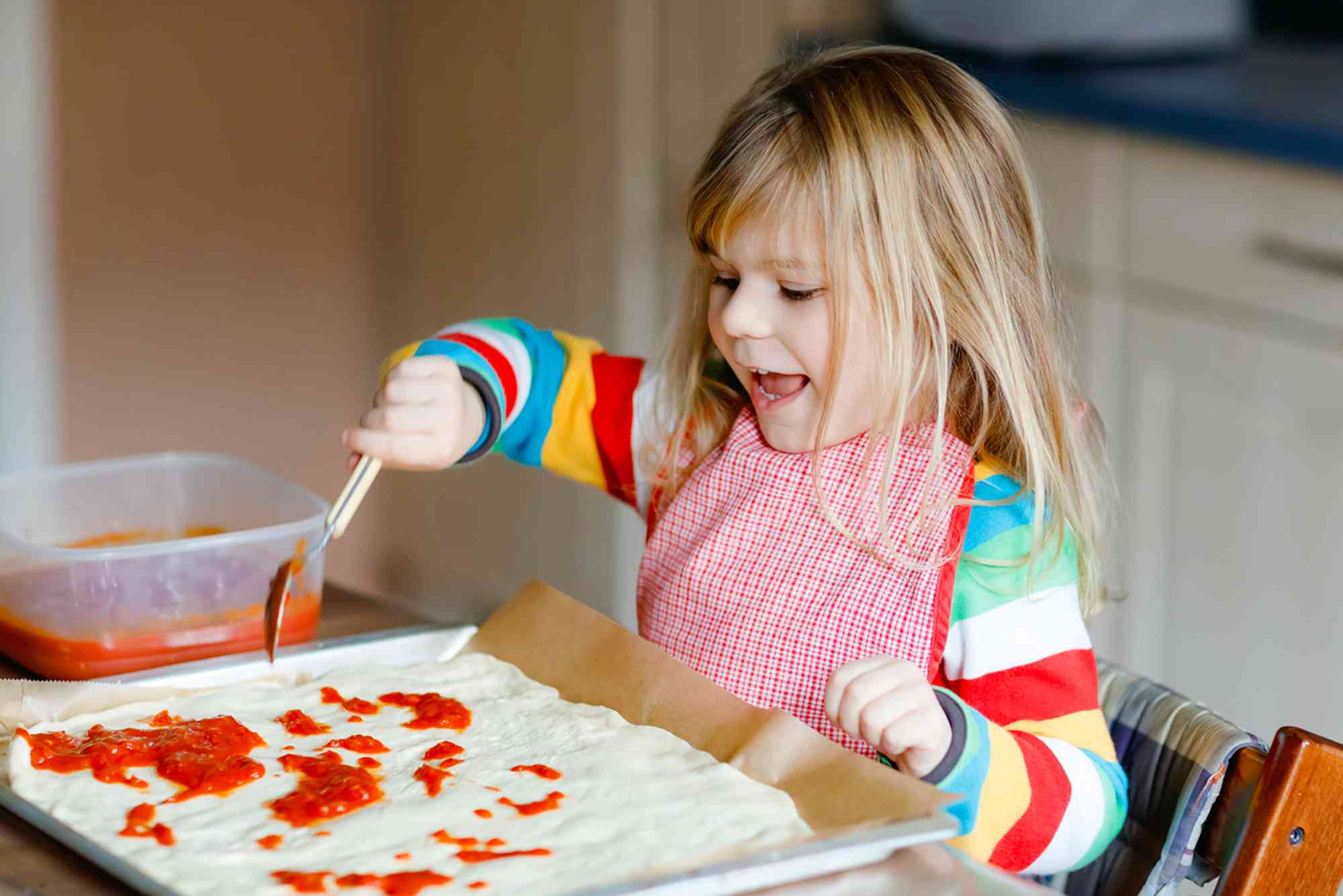
Engaging Food Activities for Kindergarten Kids
Introducing food activities for kindergarten children is more than just fun—it’s a valuable educational experience. At this developmental stage, children are exploring the world with their senses. Taste, touch, smell, sight, and even sound all come into play during food-related tasks. By integrating food activities into their routine, we can stimulate cognitive growth, develop fine motor skills, and teach essential life lessons like teamwork, hygiene, and healthy eating habits.
Why Food Activities Matter for Kindergarteners
Children learn best through hands-on experiences. Food activities create a multisensory environment where young learners explore, create, and connect. These exercises can align with various educational goals, such as color recognition, number counting, sequencing, and vocabulary development. Even more importantly, food activities can help fussy eaters feel more comfortable with trying new textures and flavors by interacting with ingredients in a fun and pressure-free way.
Educational Benefits of Food-Based Learning
Food activities for kindergarten students provide an array of educational benefits. They support literacy as children read or follow visual instructions. They strengthen numeracy skills by counting ingredients, measuring portions, or identifying shapes. Fine motor development also gets a boost through stirring, pouring, cutting with plastic knives, or using cookie cutters. Additionally, collaborative food tasks teach children to share tools, take turns, and practice communication. The kitchen or classroom becomes a mini-laboratory, offering a safe space to experiment, ask questions, and observe change—like watching dough rise or fruits change color when exposed to air.
Setting the Stage: Safety and Preparation
Before introducing food activities to kindergarten children, preparation is key. Begin with a clean workspace and ensure all ingredients and tools are age-appropriate. Use non-toxic, child-safe utensils and avoid choking hazards by keeping ingredient sizes manageable. Explain each step in simple language and demonstrate proper hygiene by washing hands before and after the activity. With the right foundation, children can safely engage in meaningful, delicious learning.
Creative Food Activities for Kindergarten Kids
Food activities don’t need to be elaborate to be effective. In fact, the simplest tasks often result in the most joy. Let’s explore some engaging and educational ideas designed specifically for kindergarteners.
Edible Art with Fruits and Vegetables
Give kids the chance to create pictures using slices of fruits and vegetables. Apples, bananas, grapes, carrots, and cucumbers can become eyes, ears, suns, or flowers. This activity enhances creativity and pattern recognition. It also makes healthy food appealing and exciting. As they build their edible art, children discuss colors, textures, and shapes while practicing spatial awareness.

Rainbow Sandwich Building
Introduce food layering by inviting children to make “rainbow sandwiches.” Provide colorful vegetables like red bell peppers, orange carrots, green lettuce, and purple cabbage. They can choose what to add and in which order. This promotes independence and decision-making while subtly encouraging a love for nutritious food. As they build their sandwich, ask questions: Which color is first? What does it taste like? Why did you choose it?
Make-Your-Own Trail Mix
Give kids a variety of healthy ingredients such as dried fruit, whole grain cereal, mini pretzels, and seeds. Ask them to count how many pieces they want from each container before adding it to their mix. This reinforces number recognition and offers sensory play. It’s also ideal for allergy-friendly classrooms, as components can be easily customized.
Cooking Without Heat: Smoothie Fun
Smoothies are perfect for food activities in kindergarten settings. Let children choose from pre-cut fruits, yogurt, and juice. Help them blend the mix (with adult supervision) and enjoy the result. This introduces basic sequencing—first add bananas, then yogurt, then blend. It’s a great opportunity to discuss where fruits come from, why they’re healthy, and how ingredients can change texture.
Decorate Your Own Cupcake or Cookie
As a treat-based activity, decorating cookies or cupcakes offers fun creative expression. Provide colorful frostings, sprinkles, and safe decorating tools. Children will work on hand-eye coordination and pattern creation. You can link this to a theme like holidays or storytelling by having them decorate their snack based on a book or a classroom celebration.
The Texture Table
Set up a sensory table filled with different food textures—cooked pasta, uncooked rice, cornmeal, oats, and gelatin. Let kids explore freely or offer sorting tasks. Ask them to group items that feel the same or different. This builds vocabulary and sensory processing skills, helping them describe sensations and compare materials.
Sorting and Counting Snacks
Offer snacks like crackers, grapes, or cheese cubes and ask children to sort them by shape, color, or size. Use the sorted piles to count and create simple graphs. This merges food fun with early math skills and helps build a foundation for classification, logic, and analytical thinking.
Integrating Food Activities with Curriculum Goals
Food activities can easily support broader learning outcomes. Teachers and parents can tie them into storytime, science units, cultural exploration, or even music. Reading a story about farms? Let kids make butter by shaking cream in a jar. Studying countries? Prepare simple snacks from different cultures. Exploring colors? Have a “red food” day. This cross-curricular approach deepens learning while keeping children curious and engaged.
Encouraging Language Development Through Food Play
Each food activity presents a language-rich opportunity. Children learn new words like “peel,” “slice,” “crunchy,” or “sour.” Adults can model descriptive language, ask open-ended questions, and encourage storytelling. Ask what their cookie represents. Listen as they describe the process of making a fruit salad. This conversational practice sharpens listening skills and builds vocabulary in a natural, enjoyable way.
Supporting Picky Eaters with Hands-On Food Fun
Some kindergarteners may be hesitant about certain foods. By letting them touch, smell, and play with food—without pressure to eat—they grow comfortable through exposure. If a child builds a tower from apple slices and later chooses to take a bite, that’s a win. Food activities reduce anxiety and allow kids to interact with food on their own terms, which can lead to increased willingness to try new things.
Tips for Parents and Teachers
To maximize success with food activities for kindergarten kids, keep sessions short and structured. Use visual aids like step-by-step picture cards or demonstration videos. Be flexible—some children will dive in enthusiastically, while others observe first. Always model enthusiasm and respect every child’s level of participation. Prepare for messes and embrace them as part of the learning journey. Lastly, celebrate effort rather than results. Every child should feel proud of their creation, even if it’s messy or imperfect.
Let Food Spark Curiosity and Joy
Food activities for kindergarten children are more than just play—they’re a gateway to learning, connection, and exploration. These hands-on experiences blend creativity, fine motor development, language building, and early math in a way that feels fun and fulfilling. Whether at school or home, these activities offer moments of joy, discovery, and learning through all five senses. So roll up your sleeves, bring out the colorful ingredients, and let the adventure begin.
Are you a parent or teacher ready to inspire young minds through food? Start with a simple activity this week and see how it transforms your child’s curiosity into creativity. For more fun learning ideas, subscribe to our newsletter and explore our full activity library!
FAQs
What are some simple food activities for kindergarten kids?
Simple food activities include fruit sorting, cookie decorating, smoothie making, and trail mix creation. These activities are fun and support motor and cognitive skills.
How do food activities help with learning?
Food activities support learning by improving fine motor skills, boosting vocabulary, teaching math through measuring and counting, and encouraging creative expression.
What if my child doesn’t want to taste new foods?
That’s okay! Focus on letting them play and interact first. When kids explore food without pressure, they often become more open to tasting over time.
Are food activities safe for kindergarteners?
Yes, with proper supervision and child-safe tools, food activities are safe and beneficial. Always consider allergies and hygiene when planning.