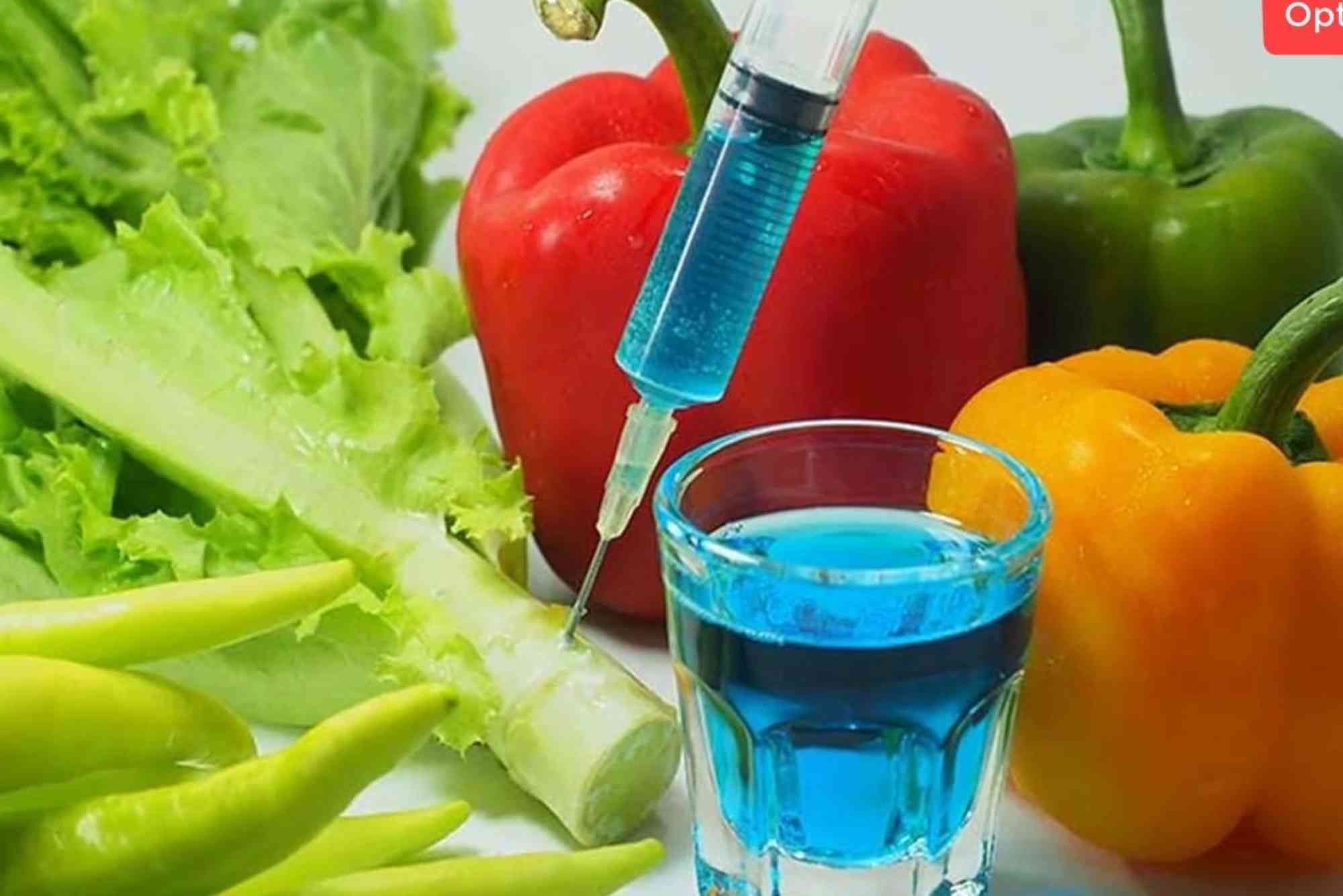
Food is meant to nourish, heal, and energize us. But what if the food on your plate is doing more harm than good? That’s the growing concern around food adulteration—a serious issue affecting millions worldwide. This article provides essential food adulteration information, equipping you with the knowledge to make safer food choices every day.
What Is Food Adulteration?
Food adulteration refers to the act of deliberately lowering the quality of food by adding or mixing harmful substances. It may also involve removing vital nutrients or replacing ingredients with inferior ones. This deceptive practice often aims to increase profit at the expense of consumer health.
Whether it’s adding water to milk, coloring spices with toxic dyes, or mixing pebbles in grains, food adulteration is far from harmless. It not only affects nutritional value but can also cause severe health issues.
Why Is Food Adulteration a Growing Problem?
With increasing demand for processed and packaged foods, the temptation to cut corners has grown. Poor regulation, limited enforcement, and lack of consumer awareness further fuel the problem.
Unscrupulous vendors exploit loopholes, especially in regions with weak food safety oversight. The result? A global surge in food-related illnesses, allergies, and long-term health risks.
Common Types of Food Adulteration
Understanding the types of adulteration is the first step to protecting yourself. Here are a few ways it happens:

Mixing Inferior Substances
This involves blending in cheaper, often harmful materials to bulk up products. For example, chalk powder in flour or starch in milk.
Adding Harmful Chemicals
Unscrupulous traders sometimes add synthetic substances to improve appearance or shelf life—like formalin in fish or calcium carbide in mangoes.
Removing Essential Components
In some cases, valuable parts of food are extracted for separate sale. Skimming cream off milk before selling it is one example.
Food Coloring Abuse
Bright, artificially colored vegetables may look appealing but often contain industrial dyes unfit for consumption.
Health Risks of Food Adulteration
The dangers of adulterated food go beyond a bad meal. Here’s how it can affect your health:
Short-Term Effects
- Stomach upset
- Nausea
- Diarrhea
- Allergic reactions
Long-Term Risks
- Cancer (from carcinogenic chemicals like Sudan dyes)
- Kidney and liver damage
- Hormonal imbalance
- Reproductive health issues
- Developmental delays in children
Adulterated food can silently damage organs over time, especially when consumed regularly without awareness.
How to Identify Adulterated Food at Home
The good news is you don’t always need a lab to detect food adulteration. Many simple home tests can help.
Visual Checks
Discoloration, unnatural shine, or strange odors are immediate red flags. For instance, overly shiny green peas might be dyed with malachite green.
Water Tests
Place food items like sugar, salt, or pulses in water. Adulterants like chalk or soap will often float or dissolve quickly.
Taste and Smell
Any bitterness, odd texture, or unfamiliar aroma could indicate contamination or adulteration.
While these methods aren’t foolproof, they offer a practical starting point for safeguarding your family’s health.
Government Regulations and Food Safety Standards
Most countries have food safety authorities to regulate and monitor adulteration. In India, for example, the FSSAI (Food Safety and Standards Authority of India) plays a key role.
Globally, organizations like the World Health Organization (WHO) and Codex Alimentarius set international food standards.
Still, enforcement remains inconsistent. That’s why consumer vigilance is so critical. By staying informed and reporting suspicious products, you can be part of the solution.
How to Stay Safe from Food Adulteration
You can’t test every bite, but you can take smart steps to reduce the risk of eating adulterated food.
Buy From Reputed Sources
Trusted vendors, certified brands, and organic markets are more likely to follow proper practices.
Check Labels Carefully
Look for manufacturing and expiry dates, certification seals (like FSSAI or ISO), and ingredient lists. Avoid items with vague labels or suspicious additives.
Wash Thoroughly
Rinsing fruits, vegetables, and grains can remove many surface-level contaminants, including harmful colors and dust.
Cook Wisely
High heat often breaks down some toxins. While not a complete solution, cooking food properly is a basic defense.
Stay Informed
Being updated with the latest food adulteration information helps you identify trends and act quickly if there’s a public health alert.
The Role of Technology in Combating Adulteration
Modern tools are transforming how we detect and prevent food adulteration.
Mobile Apps
Some governments and private companies now offer apps that let consumers report adulterated food or check for recalls.
Portable Testing Kits
Affordable, at-home kits can detect common adulterants in milk, oils, and spices.
Blockchain in Food Supply
Innovative use of blockchain is allowing end-to-end transparency in food sourcing, from farm to fork.
AI and Machine Learning
These tools help regulators analyze massive data sets to predict adulteration patterns and act faster.
Technology is not just for labs anymore—it’s empowering ordinary people to take control of their food choices.
The Social and Economic Impact
The effects of adulteration go beyond health. They touch every part of society.
- Economic loss for consumers who pay for lower quality or unsafe products
- Reputation damage for businesses caught selling unsafe goods
- Public distrust in authorities and supply chains
- Healthcare burden from rising food-related diseases
By demanding accountability and supporting ethical practices, we can influence change at every level.
Make Informed Choices Today
Food should heal, not harm. In a world where food adulteration is a real threat, knowledge is your best shield. By learning how to spot it, avoiding risky products, and demanding better practices, you protect not just yourself but your entire community.
Let’s stay vigilant, support ethical food practices, and make informed decisions every time we eat.
Frequently Asked Questions (FAQs)
What is food adulteration and why is it done?
Food adulteration involves adding harmful substances to food to increase profits. It’s done to cut costs, improve appearance, or extend shelf life.
How can I detect food adulteration at home?
Simple water tests, visual checks, and taste inspections can help spot common adulterants. For example, chalk powder in flour floats in water.
Which foods are most commonly adulterated?
Milk, spices, oils, grains, and fruits are among the most commonly adulterated items, especially in unregulated markets.
What are the harmful effects of food adulteration?
Adulterated food can cause digestive issues, allergies, cancer, organ damage, and other serious health problems over time.
How do I report a suspected case of food adulteration?
In most countries, food safety authorities have hotlines or online portals for reporting. In India, complaints can be submitted to the FSSAI through their app or website.