Top Food Measuring Containers for Accurate Cooking
Cooking is both an art and a science, and precision plays a critical role in achieving consistently delicious results. Whether you’re an experienced chef or a home cook trying new recipes, using the right food measuring containers can transform your cooking. From measuring flour for baking to tracking portion sizes for meal prep, accurate measurements are key to culinary success.
In this guide, we’ll explore the best types of food measuring containers, their benefits, and how to choose the right one based on your cooking needs. We’ll also answer common questions, offer expert tips, and help you elevate your kitchen game with better measurement practices.
Why Accurate Food Measurement Matters
Inconsistent measurements can lead to bland, over-seasoned, or even failed dishes. Too much flour can make your cake dense; not enough liquid can ruin a sauce. This is where food measuring containers come into play. They ensure your ingredients are proportioned perfectly, helping you follow recipes with precision and avoid culinary disasters.
Accuracy is particularly crucial in baking, where even minor deviations can alter texture, flavor, or rise. With food measuring containers, you’ll maintain control over every ingredient, leading to more predictable and professional results.
Types of Food Measuring Containers
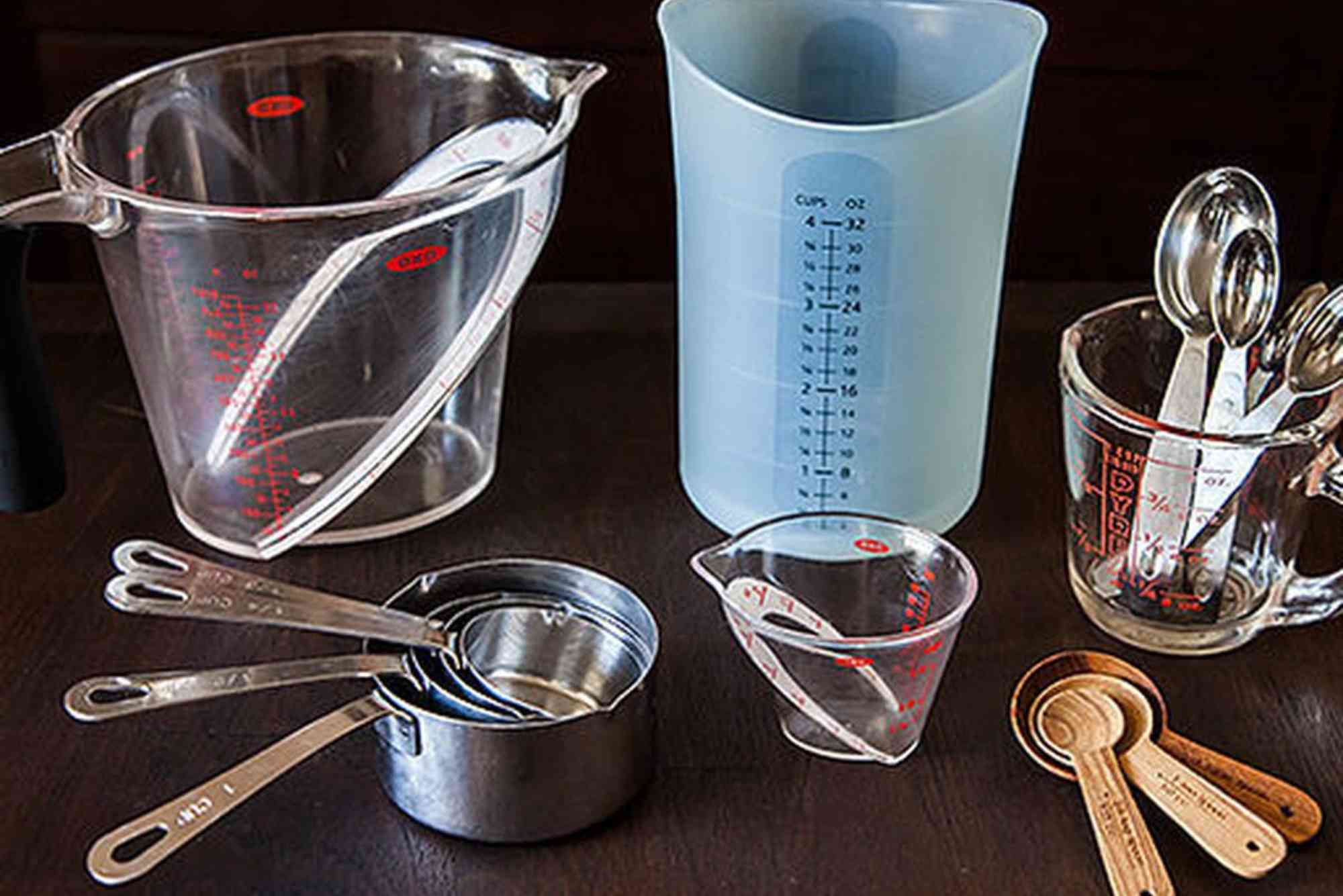
Food measuring containers come in a variety of shapes, materials, and sizes. Each serves a specific purpose and is best suited for particular types of ingredients.
Dry Measuring Cups
Dry measuring cups are designed for flour, sugar, rice, and other solid ingredients. They usually come in nested sets with standard measurements like 1 cup, ½ cup, ⅓ cup, and ¼ cup. These containers allow you to level off ingredients for precision.

Liquid Measuring Cups
These cups typically feature a spout and graduated lines for measuring liquids like water, oil, and milk. They are usually made of clear plastic or glass to allow visibility of the measurement lines. The spouted design also helps with pouring accuracy and reduces mess.
Measuring Spoons
While not traditional containers, measuring spoons are essential for smaller quantities like spices, baking soda, or vanilla extract. A complete set includes both teaspoons and tablespoons, offering versatility for a wide range of recipes.
Multi-Use Measuring Jars
These are ideal for those who cook frequently. They feature multiple measurements on the same container, including metric and imperial units. Some come with airtight lids for storage, making them handy for meal prepping.
Digital Measuring Cups
A modern take on the classic measuring container, digital cups have built-in scales and sensors. They can weigh and measure liquids or solids with exceptional accuracy. These tools are great for tech-savvy cooks and those following strict dietary guidelines.
Features to Look For in the Best Food Measuring Containers
Not all food measuring containers are created equal. Choosing the right one depends on your cooking habits, kitchen space, and budget.
Material and Durability
Plastic containers are lightweight and often budget-friendly, but they may absorb odors or stain. Glass is more durable and resistant to discoloration, though it’s heavier. Stainless steel is long-lasting and often found in professional kitchens.
Measurement Clarity
Ensure that the markings are easy to read and won’t fade after washing. Some containers have etched measurements that stay visible longer, while others use printed ink that may wear off.
Ergonomics and Handling
Comfortable grips and spouts make a difference when you’re pouring hot liquids or viscous substances like honey. Look for containers with non-slip handles or silicone grips.
Storage and Stackability
Space-saving designs are a bonus, especially in small kitchens. Nested measuring cups or stackable sets make organization easier and free up drawer space.
Multipurpose Use
Some food measuring containers can double as mixing bowls, storage containers, or even microwave-safe dishes. If you’re tight on kitchen tools, multi-use containers are worth the investment.
Benefits of Using High-Quality Measuring Containers
High-quality measuring containers offer more than just accuracy. They contribute to a more enjoyable and stress-free cooking experience.
- Consistency: Every dish you make will have the same taste and texture.
- Efficiency: No more second-guessing or re-measuring.
- Healthier Portions: Measuring food helps manage calorie intake and stick to dietary goals.
- Reduced Waste: Accurate measurements mean fewer mistakes, which saves money and ingredients.
Tips for Using Food Measuring Containers Effectively
Even the best tools need proper technique. Here are expert tips to get the most from your food measuring containers:
- Always use dry containers for solids and liquid containers for fluids.
- Spoon dry ingredients into the cup and level off with a straight edge.
- Use clear containers for liquids so you can see the meniscus line at eye level.
- Rinse sticky ingredients like honey with warm water first for easier release.
- Don’t eyeball – even for seasoned cooks, precise tools matter.
Real-World Use: Why Every Home Cook Needs Good Measuring Tools
Let’s say you’re baking banana bread. The recipe calls for 1 ½ cups of flour, ¾ cup of sugar, and ½ cup of oil. A slight deviation in flour—too much, for instance—can make the bread dry. Not measuring the oil correctly can make it greasy or tough. With high-quality food measuring containers, you can avoid these issues. You’ll bake with confidence and consistently get the results you expect.
Invest in the Right Tools for Better Cooking
Accurate cooking starts with the right tools, and food measuring containers are among the most essential. They take the guesswork out of your recipes, enhance flavor and texture, and help you cook like a pro—even if you’re just starting out.
Whether you’re cooking for your family, meal prepping for the week, or experimenting with new cuisines, reliable measuring tools are a must. Don’t let a lack of precision compromise your cooking.
Ready to upgrade your kitchen? Choose the best food measuring containers today and taste the difference!
FAQs About Food Measuring Containers
What is the most accurate way to measure food?
Using digital measuring cups or kitchen scales offers the most accurate measurements, especially for baking.
Can I use the same cup for dry and liquid ingredients?
It’s best not to. Dry and liquid measuring cups are designed differently to account for how each ingredient settles or pours.
Are glass measuring cups better than plastic?
Glass is more durable and won’t absorb odors, but plastic is lightweight and less likely to break. Choose based on your kitchen needs.
How often should I replace my measuring containers?
Replace them if the markings fade, the container cracks, or you notice measurement inconsistencies.
What’s the difference between measuring by weight and volume?
Volume is measured in cups or milliliters, while weight uses grams or ounces. Weight is generally more accurate, especially for baking.