The Future of Automobile Technology: What’s Next on the Road?
As technology continues to evolve at an unprecedented pace, the future of automobile technology is becoming one of the most exciting frontiers of innovation. From electric vehicles (EVs) and autonomous driving to connected ecosystems and AI-driven safety systems, this new era of transportation is reshaping how we drive, commute, and interact with cars. The automotive industry is not just about four wheels and an engine anymore—it’s about software, sustainability, and smart integration. But what does the road ahead truly look like for drivers, cities, and manufacturers? In this article, we explore what’s coming next in the world of future automobile technology and why these developments matter more than ever.
The Shift Towards Electrification
One of the most significant trends defining future automobile technology is the transition from internal combustion engines (ICEs) to electric drivetrains. Governments worldwide are enforcing stricter emission regulations and promoting clean energy alternatives. In response, automakers are investing billions in EV platforms. These vehicles are powered by lithium-ion batteries or emerging solid-state batteries, offering longer ranges and faster charging. With Tesla setting the pace, legacy manufacturers like Ford, General Motors, and BMW are racing to electrify their lineups. This change is not just environmental—it’s also economical, as the total cost of ownership for EVs is expected to become lower than ICE vehicles within the next five years.
Autonomous Driving: The Self-Driving Revolution
Another major component of future automobile technology is autonomous driving. Self-driving cars have transitioned from science fiction to engineering reality, thanks to advancements in sensors, machine learning, and real-time processing. Companies like Waymo, Cruise, and Tesla are testing autonomous systems that can navigate complex urban environments with minimal human intervention. These systems use LiDAR, radar, and high-resolution cameras to make split-second decisions. Though fully autonomous vehicles (Level 5 autonomy) aren’t mainstream yet, semi-autonomous systems like Tesla’s Autopilot or GM’s Super Cruise are already changing the driving experience. As these technologies mature, we can expect safer roads, fewer accidents, and more efficient traffic flow.
Connectivity and the Internet of Vehicles
Cars are no longer isolated machines. Thanks to IoT (Internet of Things) integration, the next generation of vehicles is hyper-connected. Future automobile technology focuses on creating smart vehicles that communicate with infrastructure (V2I), other vehicles (V2V), and cloud services (V2C). This connectivity enables features like real-time traffic management, predictive maintenance alerts, over-the-air software updates, and enhanced in-car infotainment systems. For instance, a connected vehicle can receive alerts about road hazards ahead or automatically schedule a service appointment when it detects a mechanical issue. As 5G networks expand, data transmission between vehicles and infrastructure will become faster and more reliable, enabling real-time decision-making at scale.
Artificial Intelligence in Automotive Systems
AI is the invisible hand driving much of the innovation in future automobile technology. It powers everything from voice assistants and route optimization to advanced driver-assistance systems (ADAS). AI-based vision systems can detect pedestrians, read traffic signs, and understand complex scenarios on the road. Deep learning algorithms improve over time, adapting to various driving conditions and enhancing performance. Moreover, AI is integral to autonomous driving as it helps vehicles learn from data, mimic human decision-making, and continuously improve. The future holds promise for cars that not only react but also anticipate, creating safer and more intuitive driving experiences.
Advanced Safety Features and Smart Sensors
Safety remains a core focus of automotive innovation. Future automobile technology aims to reduce road fatalities through proactive safety systems. Features like automatic emergency braking, lane-keeping assist, blind-spot monitoring, and cross-traffic alerts are now standard in many modern vehicles. What’s next is predictive safety—using AI and sensors to anticipate collisions before they happen. Thermal imaging cameras, driver-monitoring systems that detect fatigue or distraction, and adaptive headlights that adjust based on weather or traffic conditions are just the beginning. By merging hardware with smart algorithms, automakers are striving for zero-fatality roads.

Sustainable Manufacturing and Eco-Friendly Materials
Sustainability extends beyond the car itself. Future automobile technology is also about how vehicles are made. Automakers are turning to recycled materials, plant-based plastics, and low-carbon manufacturing techniques. Factories powered by renewable energy and designed with energy-efficient processes reduce the environmental footprint of each vehicle produced. Companies like Volvo and BMW have pledged to become carbon-neutral across their supply chains. Innovations such as 3D printing and modular vehicle architectures also reduce waste and increase efficiency during production. The goal is not just to drive green but to build green from the ground up.
Smart Infrastructure and Urban Mobility
To support the vehicles of the future, cities must evolve too. Smart infrastructure is an essential part of future automobile technology. Traffic signals that adapt in real-time, dedicated EV lanes, wireless charging stations, and vehicle-to-grid integration are some examples. Urban planners are rethinking roads, parking, and public transportation to accommodate a new wave of intelligent and sustainable mobility solutions. Ride-sharing platforms, micro-mobility options, and subscription-based vehicle access models are also contributing to a future where car ownership may no longer be the norm. The synergy between smart vehicles and smart cities will define the urban landscape of tomorrow.
Personalization and In-Car Experience
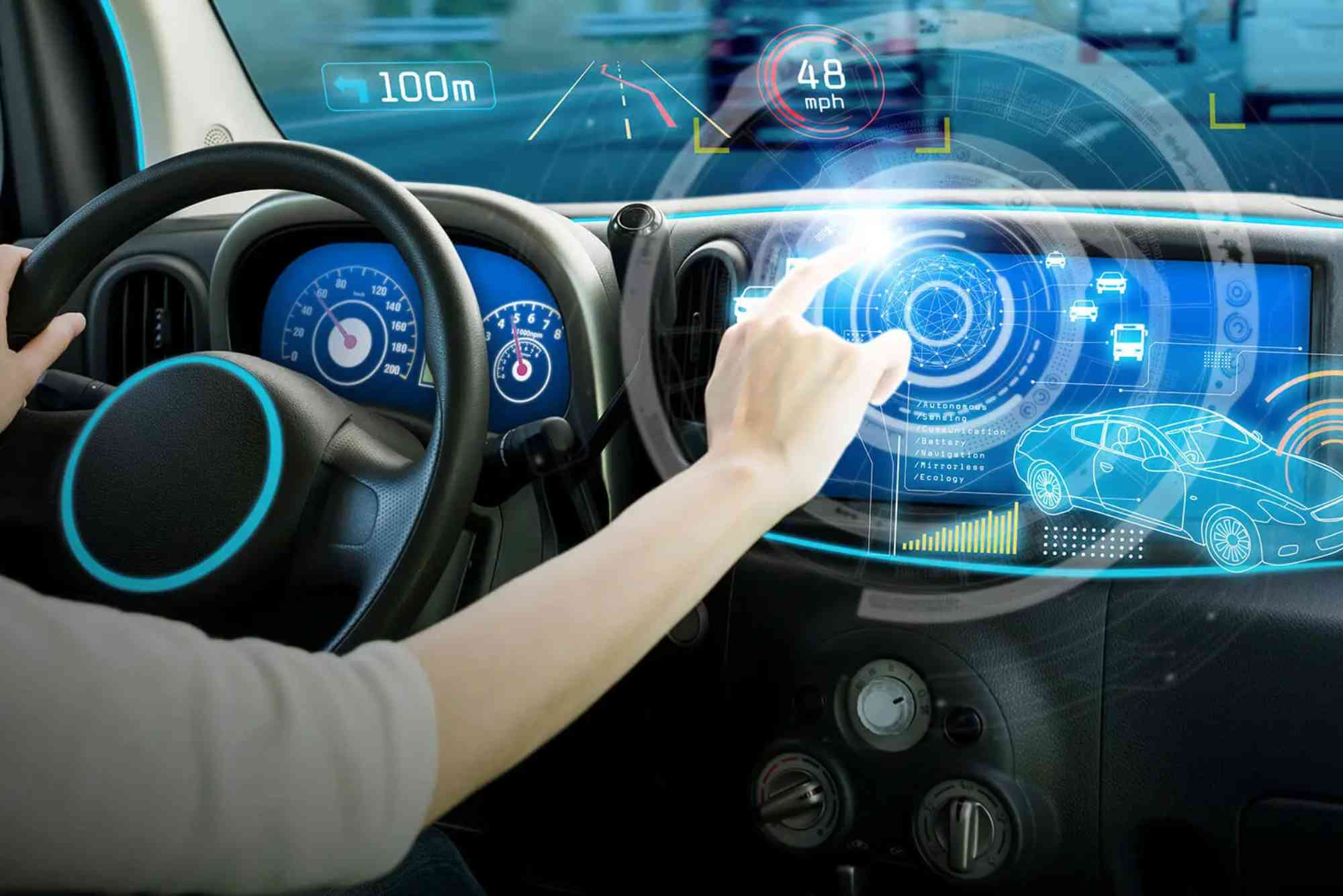
Beyond performance and efficiency, future automobile technology also focuses on the driver’s experience. Cars are becoming personalized spaces with adjustable ambient lighting, AI-driven infotainment systems, and even biometric recognition. Some vehicles now offer wellness features like massage seats, air purification, and adaptive sound environments. Voice control, gesture interfaces, and augmented reality dashboards enhance user interaction and convenience. In the near future, your car might automatically adjust settings based on your mood or health condition, turning every journey into a tailored experience.
Overcoming Challenges on the Road Ahead
Despite the promise, future automobile technology faces several challenges. The high cost of EV batteries, data privacy concerns, regulatory hurdles, and infrastructure gaps are slowing widespread adoption. Trust in autonomous vehicles still needs to be earned through proven safety records and ethical programming. Moreover, the global supply chain must adapt to support new components like semiconductors and rare earth materials. Addressing these issues will require collaboration between governments, tech firms, automakers, and consumers. But with the right investments and policies, these barriers can be overcome.
The Road Ahead: What to Expect by 2035
By 2035, the automotive landscape will be nearly unrecognizable from today. EVs could make up over 60% of global car sales. Fully autonomous vehicles may be common in city centers and logistics hubs. Vehicles will act as mobile hubs of connectivity, productivity, and relaxation. Roads will be smarter, commutes shorter, and emissions lower. Future automobile technology isn’t just about getting from point A to B—it’s about transforming mobility into a cleaner, safer, and more connected experience. This revolution is not on the horizon—it’s already in motion.
FAQs
What will future automobile technology look like?
Future automobile technology will focus on electric drivetrains, autonomous driving, AI systems, and vehicle connectivity. Cars will become cleaner, smarter, and more integrated with their environment.
Is the future of cars fully electric?
Yes, most experts agree the future of cars is electric. Governments are phasing out fossil fuels, and automakers are prioritizing EV production due to environmental concerns and consumer demand.
How soon will self-driving cars become mainstream?
Semi-autonomous features are already in use, but fully self-driving cars (Level 5) may take another 5–10 years to become widespread due to regulatory and safety concerns.
What are the environmental benefits of future automobile technology?
The use of EVs, recycled materials, and sustainable manufacturing reduces greenhouse gas emissions, air pollution, and resource consumption, contributing to a healthier planet.
Will connected cars be safe from hacking?
Cybersecurity is a major concern. Automakers are implementing advanced encryption, regular updates, and secure communication protocols to minimize risks of cyberattacks.
How will automobile technology affect jobs?
New technologies will reduce some traditional roles but create opportunities in software engineering, battery tech, AI development, and smart infrastructure design.
What role will AI play in cars of the future?
AI will enhance safety, improve navigation, personalize experiences, and power autonomous driving features. It’s central to the next generation of automotive design.
The evolution of future automobile technology marks a turning point in how we interact with mobility. It’s a fusion of sustainability, intelligence, and personalization. While challenges remain, the trajectory is clear: cars are becoming electric, autonomous, and interconnected. These changes promise safer roads, cleaner environments, and better driving experiences. Whether you’re a consumer, innovator, or policymaker, now is the time to embrace the transformation. The future isn’t coming—it’s already here, and it’s revving up fast.