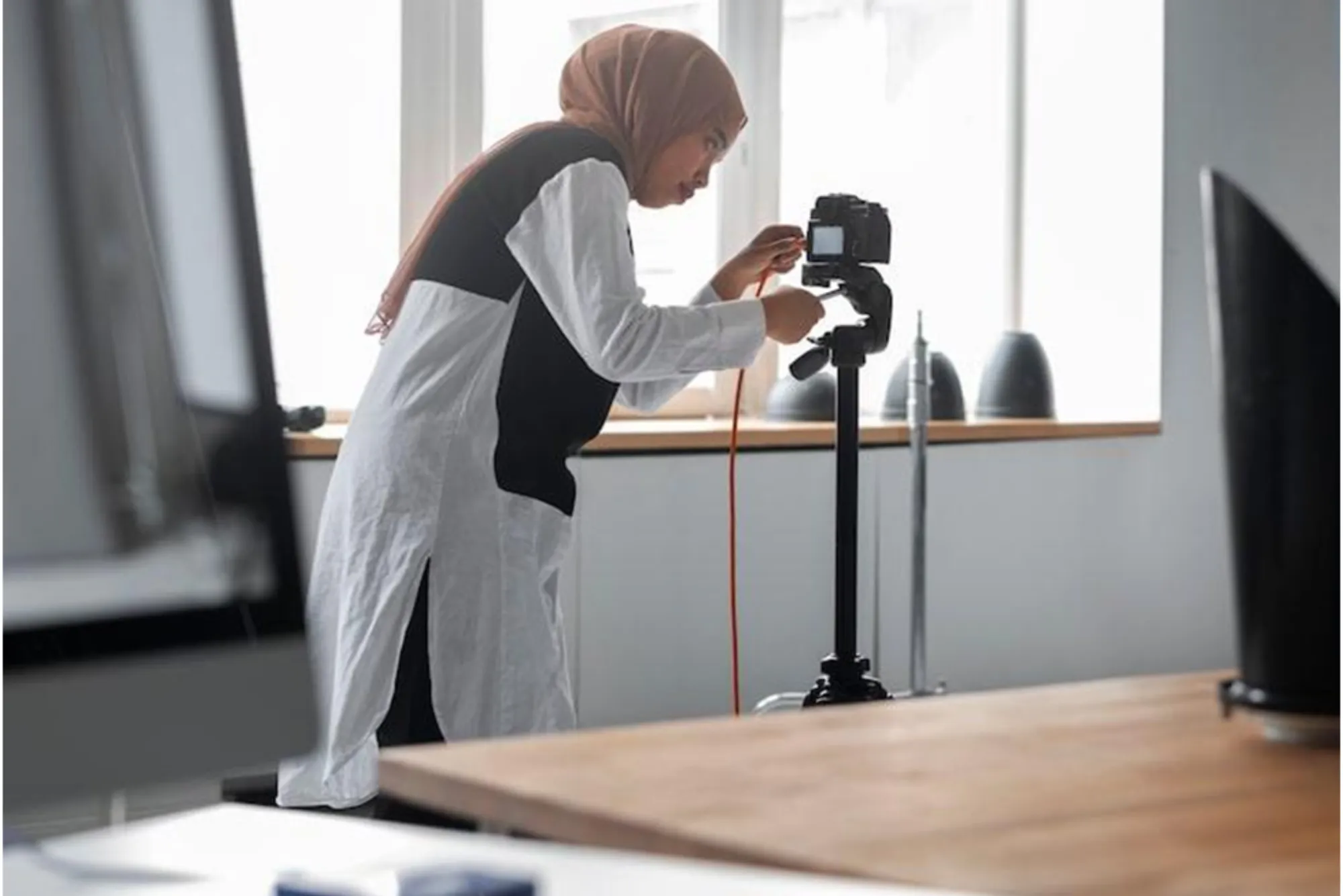
In today’s competitive business landscape, visual storytelling plays an essential role in shaping a brand’s image and credibility. Whether you’re producing a brand video, a product showcase, or a client testimonial, hiring a corporate videographer can transform your vision into a polished and impactful piece of media. However, the success of any corporate video doesn’t depend on filming alone — it begins with careful planning, collaboration, and strategic execution. From defining objectives to coordinating logistics, every stage of the process requires clear direction and preparation.
Defining the Purpose and Goals of the Shoot
Identify Your Target Audience
Understanding your audience helps determine the tone, style, and structure of the video. A B2B audience, for example, may respond better to concise, information-driven content, while a consumer audience might appreciate a more emotional, storytelling approach. The videographer’s creative choices — from lighting and framing to background music — will depend heavily on your audience profile.
Pre-Production: Laying the Groundwork
The pre-production phase is where the foundation for a smooth and efficient shoot is built. Attention to detail during this stage can save time and prevent costly mistakes later on.
Scriptwriting and Storyboarding
A strong script and storyboard are essential tools for planning a professional video shoot. These documents outline the structure, pacing, and visual flow of the video. A corporate videographer often collaborates with your marketing team to develop a script that reflects your brand voice while maintaining a professional tone. The storyboard helps visualize each shot, making it easier to communicate your expectations before filming begins.
Location Scouting and Logistics
Selecting the right filming location is critical for both aesthetic appeal and practical execution. Whether shooting in your office, a studio, or an outdoor environment, ensure that lighting, noise levels, and accessibility are suitable for production. Secure any necessary permits, coordinate with facility managers, and confirm power sources and backup equipment to avoid disruptions.
Scheduling and Coordination
A detailed production schedule keeps everyone aligned. It should include timelines for setup, filming, interviews, and wrap-up. The corporate videographer will typically manage crew logistics, camera setups, and equipment preparation, but clear communication with your internal team is key to avoiding delays.

Production: Capturing the Right Shots
Once pre-production is complete, the shoot can begin. This phase focuses on execution — translating your planning into dynamic visuals that tell your story effectively.
Lighting and Composition
Lighting is one of the most powerful elements in videography. A professional videographer understands how to manipulate light to create mood, highlight subjects, and enhance visual quality. Proper composition and camera angles also help maintain viewer engagement, drawing attention to the most important aspects of your message.
Sound and Dialogue Recording
Crystal-clear audio is just as vital as sharp visuals. Background noise, echo, or poor microphone placement can undermine even the most visually stunning footage. Professional videographers use high-quality microphones, boom poles, and soundproofing techniques to ensure clarity and consistency throughout the recording.
On-Camera Presence
If company representatives or employees are featured, ensure they are comfortable on camera. Conduct short rehearsals or practice interviews to help them speak naturally and confidently. The videographer’s direction plays a big role in easing nervousness and achieving authentic performances.
Post-Production: Bringing It All Together
After filming wraps, the footage moves into the post-production stage, where creativity and technical expertise converge.
Editing and Color Grading
During editing, the best takes are assembled into a cohesive narrative. This stage includes trimming footage, adding transitions, adjusting color tones, and syncing audio. A professional corporate videographer also incorporates brand elements such as logos, fonts, and motion graphics for a polished finish.
Sound Design and Final Review
Music, voiceovers, and ambient sounds bring the video to life. The final step involves reviewing the edited video with your team, gathering feedback, and making adjustments before release. Proper collaboration during this phase ensures the final version meets both your creative vision and business objectives.
Conclusion
Planning a successful shoot with a professional videographer requires clear objectives, detailed coordination, and a collaborative mindset. By focusing on strategy during pre-production, precision during filming, and creativity during editing, you can produce a corporate video that effectively communicates your message and enhances your brand’s credibility.
For businesses expanding their brand identity through visual content, integrating video production with corporate photography in Dubai can further elevate storytelling consistency and impact — creating a cohesive, professional image across all platforms.
Related Reading: Mietwagen auf Mallorca ohne Kreditkarte: Was ist wirklich möglich?