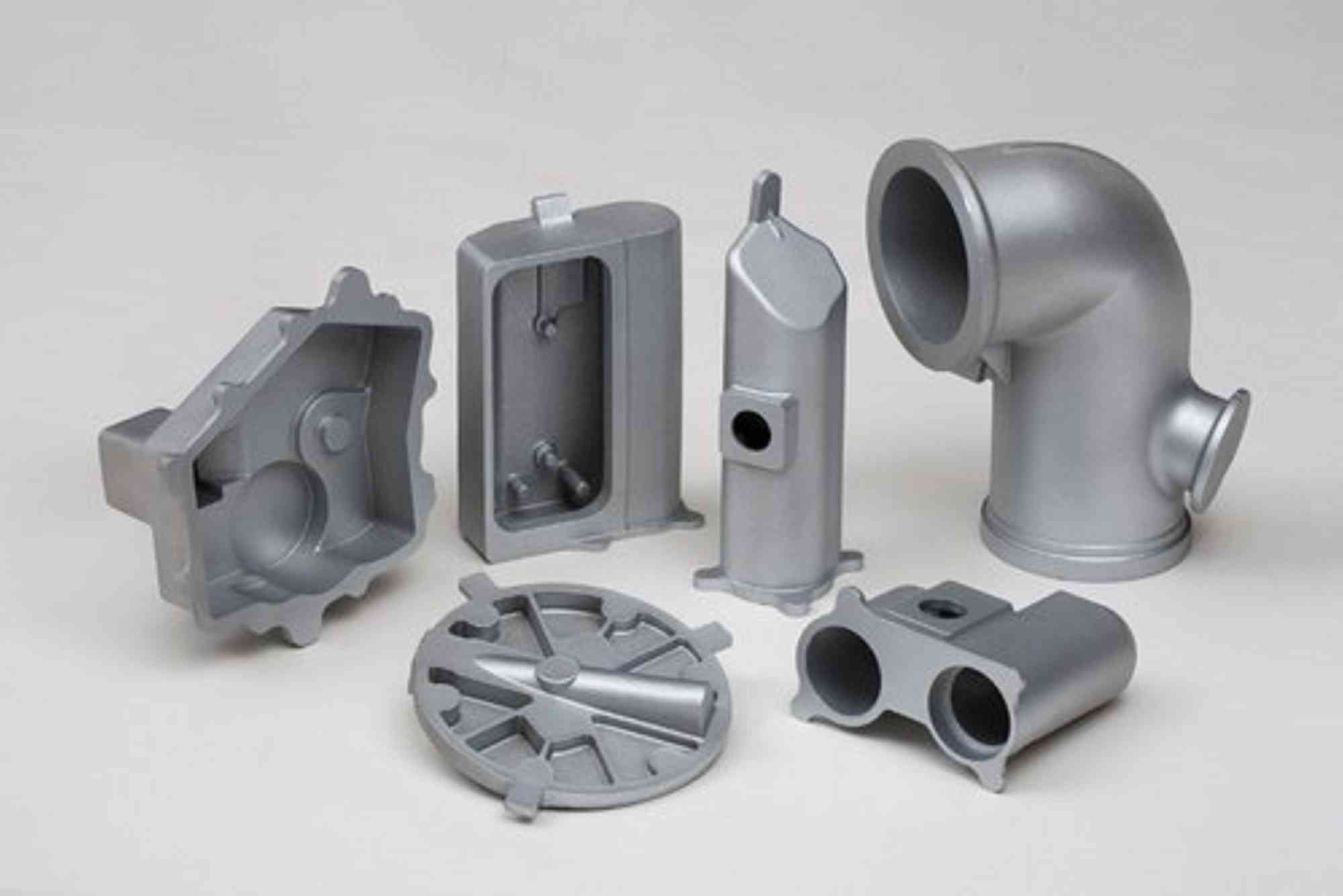
What Is Investment Casting Surface Finish?
Investment casting is a precise manufacturing process used to create complex metal parts with excellent detail. One critical aspect of this process is the investment casting surface finish, which determines the quality, appearance, and performance of the final product. Understanding what investment casting surface finish entails is essential for engineers, manufacturers, and buyers aiming for the best results.
In this article, we will explore the concept of investment casting surface finish, why it matters, the factors that influence it, and how to achieve the desired results. Whether you are new to casting or an experienced professional, this guide will deepen your understanding and help you make informed decisions.
Introduction to Investment Casting Surface Finish
Investment casting, also known as lost-wax casting, involves creating a wax model, coating it with ceramic to form a mold, melting out the wax, and pouring molten metal into the cavity. The surface finish refers to the texture and smoothness of the cast metal surface after it solidifies and the ceramic shell is removed.
A smooth surface finish is crucial in many applications, such as aerospace, medical devices, and automotive industries, where surface quality impacts functionality, appearance, and post-processing costs.
Why Is Surface Finish Important in Investment Casting?
Surface finish affects several key aspects of the casting:
- Functional Performance: A smoother surface reduces friction, improves wear resistance, and can enhance the aerodynamic or fluid dynamic properties of the part.
- Aesthetic Appeal: Products with a fine surface finish look better and often require less painting or coating.
- Machining and Post-Processing: A better initial surface finish means less machining is needed, reducing time and costs.
- Fatigue and Corrosion Resistance: Surface imperfections can act as stress concentrators, leading to early failure.
Therefore, controlling the investment casting surface finish is vital for cost efficiency and product reliability.

Factors Influencing Investment Casting Surface Finish
Several variables in the investment casting process determine the surface finish quality. Understanding these helps manufacturers optimize results.
Wax Model Quality
The surface finish starts with the wax pattern. Smooth, defect-free wax models produce better casting surfaces. High-quality wax blends and careful handling reduce surface flaws.
Ceramic Shell Composition
The ceramic shell acts as the mold. The particle size, coating technique, and firing temperature of the ceramic influence the final texture. Finer ceramic particles and multiple coating layers generally produce a smoother finish.
Metal Pouring Temperature
Metal poured at an ideal temperature flows better, filling the mold uniformly without causing defects. Overheating or underheating can lead to surface imperfections like roughness or porosity.
Mold Drying and Firing
Proper drying and firing of the ceramic mold prevent cracks and rough textures. Controlled heating cycles ensure uniform shell strength and smoothness.
Casting Alloy Type
Different metals and alloys solidify differently, affecting surface finish. For example, aluminum alloys may show a different texture compared to stainless steel or cobalt chrome.
Common Investment Casting Surface Finish Types
Surface finish is usually measured in microinches (μin) or micrometers (μm). Typical finishes for investment casting range between 32 μin (0.8 μm) and 125 μin (3.2 μm), depending on process control and material.
As-Cast Finish
This is the surface finish immediately after casting, before any machining or polishing. It typically ranges from 63 to 125 μin (1.6 to 3.2 μm). The as-cast finish quality depends heavily on the factors mentioned earlier.
Improved Finish via Post-Processing
When higher smoothness is needed, finishing processes like grinding, polishing, or bead blasting are applied. These can achieve finishes as smooth as 16 μin (0.4 μm) or better.
How to Measure Investment Casting Surface Finish
Surface finish measurement is critical for quality assurance. The two primary methods are:
- Contact Profilometers: A stylus moves across the surface to measure roughness parameters like Ra (average roughness).
- Non-Contact Optical Methods: These include laser scanning and interferometry, offering high precision without touching the surface.
Regular measurement helps monitor process consistency and guides finishing operations.
Tips to Achieve Optimal Investment Casting Surface Finish
To get the best surface finish, consider the following:
- Use high-quality wax and carefully inspect the wax patterns.
- Optimize ceramic shell slurry composition for finer particle size.
- Control drying and firing cycles to avoid shell defects.
- Pour metal at the recommended temperature range.
- Select the appropriate alloy based on finish requirements.
- Plan post-casting finishing steps according to the intended application.
Applications That Benefit from Superior Surface Finish
Investment casting parts with fine surface finishes are found in:
- Aerospace: Turbine blades and engine components where aerodynamics matter.
- Medical Devices: Surgical instruments and implants needing biocompatible smooth surfaces.
- Automotive: Engine parts, turbochargers, and exhaust components.
- Industrial Equipment: Pumps and valves where smooth surfaces improve efficiency.
Each industry has specific surface finish standards that investment casting must meet.
Investment casting surface finish plays a pivotal role in determining the quality, performance, and cost of the final metal parts. By understanding the factors affecting surface texture and how to control them, manufacturers can produce parts that meet strict industry standards with minimal post-processing.
If you want to improve your casting results or learn more about how surface finish impacts your parts, reach out to investment casting experts. Proper consultation can help tailor processes to your product’s needs, ensuring the best surface finish possible.
Contact us today for expert advice on achieving superior investment casting surface finishes for your project!
Frequently Asked Questions (FAQs)
What is a good surface finish for investment casting?
A good investment casting surface finish typically ranges from 32 to 125 microinches (0.8 to 3.2 micrometers). The ideal finish depends on the part’s function and post-processing needs.
How does the surface finish affect casting quality?
Surface finish affects wear resistance, fatigue life, and appearance. Rough surfaces can lead to stress concentrations and early failure, while smooth finishes often require less machining.
Can investment casting produce a mirror finish?
While investment casting can achieve a smooth as-cast surface, mirror finishes usually require additional polishing or finishing processes after casting.
What materials produce the best surface finish in investment casting?
Alloys like stainless steel, cobalt-chrome, and some nickel-based alloys tend to yield better surface finishes due to their solidification properties
How is surface finish measured in investment casting?
Surface finish is measured using contact profilometers or non-contact optical methods, providing parameters like average roughness (Ra).