Introduction
When it comes to boating, reliability is everything. Whether you enjoy weekend fishing trips, watersports, or simply exploring open waters, your Johnson outboard engine plays a vital role in ensuring performance and safety. Like any mechanical system, however, it requires proper care and maintenance. At the heart of this maintenance lies understanding the essential Johnson outboard engine parts. Knowing how these components work, when to replace them, and where to source high-quality replacements can make all the difference between smooth sailing and unexpected breakdowns.
Why Understanding Johnson Outboard Engine Parts Matters
Boating enthusiasts often underestimate the importance of engine parts until something goes wrong. Unlike cars that can be pulled over when a problem occurs, an outboard engine failure often happens in the middle of a lake or out at sea. That makes preventive maintenance critical. By familiarizing yourself with Johnson outboard engine parts, you not only extend the life of your motor but also save money on costly repairs. In addition, regular checks and timely replacements improve fuel efficiency, protect against corrosion, and ensure safe operation.
The Powerhead and Its Components
At the core of any Johnson outboard is the powerhead, which houses the engine block, pistons, crankshaft, and connecting rods. This section is often referred to as the “heart” of the motor. The pistons and cylinders handle the combustion process, generating the power needed to turn the propeller. Over time, these parts experience wear from heat and friction. Maintaining proper lubrication with high-quality marine oil and replacing worn piston rings can keep the powerhead performing at its best. The crankshaft, another critical part, converts the pistons’ up-and-down motion into rotational energy. If damaged, it can lead to severe engine failure. Regular inspections help catch early signs of wear or imbalance.
The Fuel System and Its Role in Performance
Fuel is the lifeblood of your Johnson outboard, and the fuel system ensures it flows cleanly and efficiently. This system includes the fuel pump, fuel lines, carburetors or injectors, and filters. A clogged fuel filter can reduce performance, while a failing pump may cause the engine to stall. Replacing fuel filters regularly and using ethanol-free gasoline when possible prevents build-up and corrosion. Carburetors and injectors also require attention. Dirty carburetors can lead to rough idling and poor acceleration, while clogged injectors may cause uneven fuel delivery. Cleaning or replacing these components restores smooth operation and consistent power.
Ignition System and Electrical Parts
No engine will run without a reliable ignition system. Johnson outboards use components like spark plugs, ignition coils, stators, and power packs. Spark plugs are small yet essential, as they ignite the fuel-air mixture in the cylinders. Worn plugs cause misfiring, reduced fuel efficiency, and harder starts. Ignition coils and stators generate the electricity needed for consistent sparks. A malfunction in these parts often shows up as erratic engine behavior or sudden shutdowns. Regularly checking spark plug gaps, replacing coils when weak, and inspecting wiring connections ensures your outboard fires up reliably every time.
Cooling System and Its Protective Function
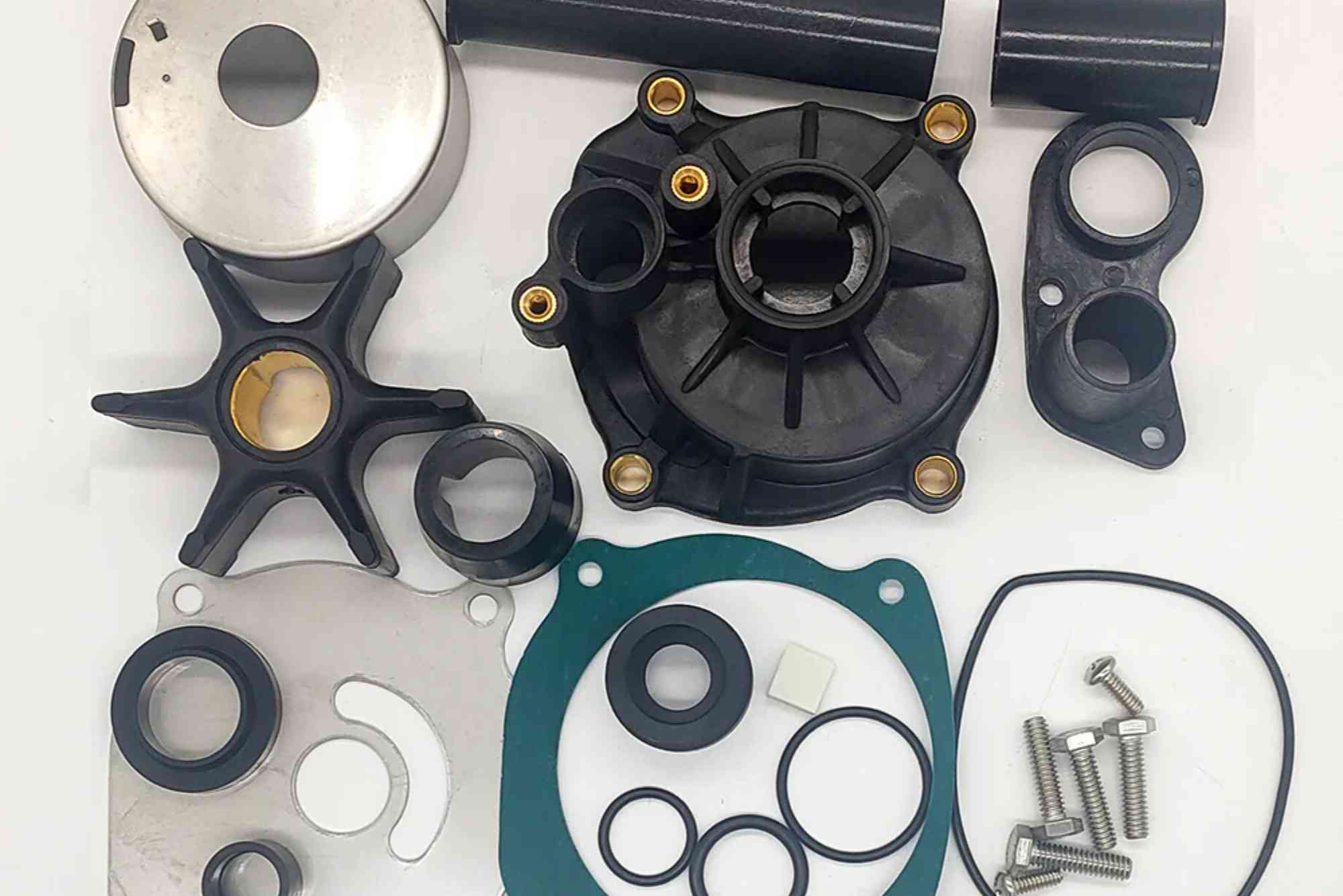
Marine environments are harsh, and engines generate tremendous heat. Johnson outboards rely on a water-cooling system that uses impellers, water pumps, thermostats, and hoses. The impeller, a small rubber part, is often overlooked but is among the most important Johnson outboard engine parts. It pulls water from the lake or sea to circulate through the engine, preventing overheating. Over time, impellers harden or crack, reducing water flow and risking engine damage. Replacing the impeller every season or two is inexpensive insurance against costly repairs. Thermostats regulate engine temperature, while hoses ensure proper circulation. Keeping these components clean and functional guarantees steady cooling under all conditions.

The Gearcase and Propeller
The lower unit, often called the gearcase, transfers power from the powerhead to the propeller. Inside are gears, bearings, and seals that must withstand constant stress. If seals fail, water can enter, causing rust and oil contamination. Routine inspection of the gear oil for signs of milky appearance or metal shavings alerts you to problems early. The propeller, attached to the gearcase, directly affects boat performance. Damaged or bent blades reduce fuel efficiency and strain the engine. Checking for dings and ensuring the prop spins freely saves you from performance loss and vibration issues.
Lubrication and Oil Systems
Johnson outboards use either premix or oil injection systems to keep engine parts lubricated. Proper lubrication reduces friction, prevents overheating, and prolongs the engine’s life. Oil pumps, reservoirs, and lines are crucial parts of this system. If the oil pump fails, the engine risks seizing within minutes. Regularly testing oil delivery, keeping the reservoir clean, and using marine-grade oil maintain reliable lubrication.
Steering and Control Components
Though not directly part of the engine’s combustion system, steering and control components work closely with Johnson outboard engine parts. Throttle cables, shift linkages, and hydraulic steering systems determine how smoothly you can control your boat. Stiff or corroded cables make handling difficult and even dangerous. Routine lubrication of linkages and timely replacement of worn cables provide safe and responsive control.
Routine Maintenance and Replacement Intervals
Every engine part has a lifespan, and sticking to a schedule prevents unexpected failures. Spark plugs should be checked every season and replaced when worn. Fuel filters require annual replacement, while impellers should be swapped every one to two years. Gear oil should be changed before storage and after heavy use. Carburetors may need cleaning every season, particularly if ethanol-blended fuel is used. By following these intervals, you reduce long-term costs and ensure your outboard is always ready for the water.
Sourcing Genuine Johnson Outboard Engine Parts
One of the biggest challenges boat owners face is finding genuine parts. Since Johnson outboards are no longer in production under their original brand, sourcing quality replacements can be tricky. Many trusted marine suppliers still stock original parts or certified aftermarket alternatives. Always verify compatibility with your engine’s model and year before purchasing. Counterfeit or low-quality parts may fit but often fail prematurely, putting your engine at risk.
Common Problems and Troubleshooting with Engine Parts
Boat owners often encounter recurring issues like hard starting, loss of power, overheating, or excessive smoke. These problems often trace back to specific Johnson outboard engine parts. Hard starts usually mean worn spark plugs or clogged carburetors. Loss of power may stem from dirty fuel filters or damaged propellers. Overheating often points to a failing impeller, while smoke signals poor lubrication or oil system issues. Understanding these connections allows you to troubleshoot effectively and replace the right part without unnecessary expenses.
The Importance of Seasonal Storage and Winterization
When the boating season ends, proper storage protects engine parts from damage. Draining fuel lines, fogging the cylinders, changing gear oil, and flushing the cooling system are essential steps. Storing with untreated fuel or failing to protect against moisture leads to clogged carburetors and corrosion. Covering your outboard and storing it in a dry environment preserves its longevity and keeps parts in working condition for the next season.
FAQs
What are the most commonly replaced Johnson outboard engine parts?
Spark plugs, fuel filters, impellers, and propellers are among the most frequently replaced parts due to wear.
How often should I replace the impeller in my Johnson outboard?
It’s recommended to replace the impeller every one to two years or sooner if signs of wear appear.
Can I use aftermarket Johnson outboard engine parts?
Yes, aftermarket parts can be reliable if sourced from trusted suppliers, but always check compatibility with your model.
Why is my Johnson outboard overheating?
Overheating is usually caused by a worn impeller, blocked cooling passages, or a malfunctioning thermostat.
Where can I buy Johnson outboard engine parts?
Marine supply stores, authorized dealers, and reputable online retailers offer both original and aftermarket parts.
Johnson outboard engines are known for their durability and power, but like any machine, they require attention. Understanding the role of essential Johnson outboard engine parts helps you stay ahead of problems, improve performance, and extend the life of your motor. From spark plugs to impellers, each component plays a critical part in ensuring reliable operation. Regular maintenance, timely replacement, and sourcing genuine parts are your best strategies for worry-free boating. If you are ready to keep your Johnson outboard in top shape, start by inspecting your engine today and invest in the right parts for a smoother, safer ride on the water.