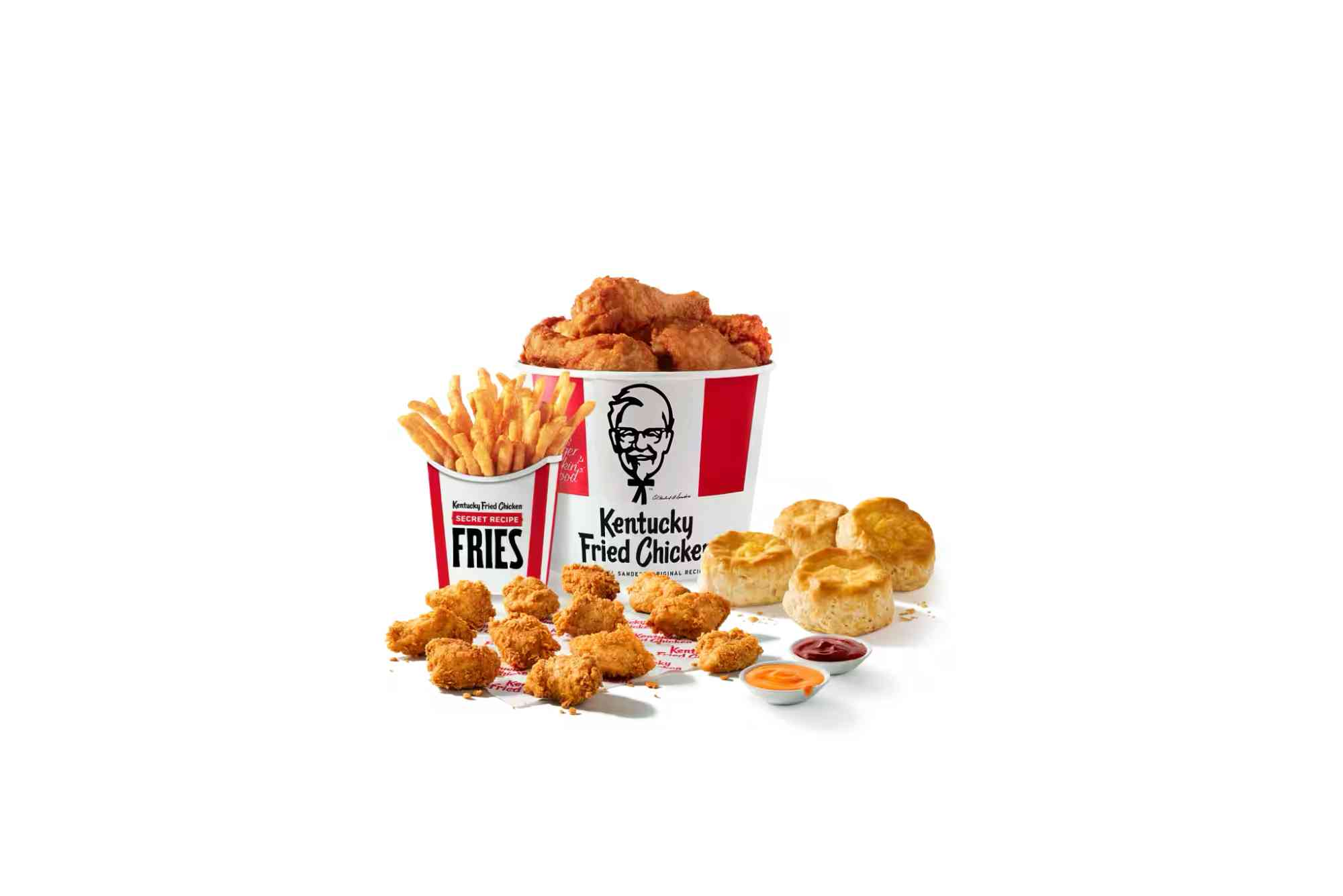
KFC Nutrition Breakdown: What’s Really in Your Meal
When craving fried chicken, KFC often tops the list. But how much do you really know about KFC nutrition? Behind the crispy exterior and savory flavor lies a complex mix of calories, fats, proteins, and other nutrients. Understanding what you consume at KFC can help you make informed choices without giving up your favorite meal.
Understanding KFC Nutrition: Why It Matters
Eating at fast food restaurants like KFC is convenient, but it’s easy to overlook the nutritional value of what’s on your plate. Fast food meals can be high in calories, sodium, and unhealthy fats, which may lead to weight gain or other health problems if eaten frequently.
Knowing the KFC nutrition facts helps you balance indulgence with health goals. Whether you’re watching calories, managing sodium intake, or trying to get enough protein, knowing the breakdown of KFC meals can guide smarter choices. It’s not about avoiding KFC but about understanding how it fits into your overall diet.
The Calorie Content in KFC Meals
Calories measure the energy your body gets from food, and KFC meals can be surprisingly calorie-dense. A typical serving of KFC fried chicken contains more calories than you might expect. For instance, a single Original Recipe chicken thigh can have around 280 to 320 calories depending on size.
When combined with sides like mashed potatoes, biscuits, or coleslaw, a standard meal easily exceeds 800 calories. Larger combo meals with multiple pieces and drinks can surpass 1,200 calories in one sitting. For someone on a 2,000-calorie daily diet, that’s more than half the daily intake. Understanding calorie counts helps you decide how to balance your meal. If you want to enjoy KFC, you might opt for smaller portions or skip calorie-heavy sides to avoid excessive intake.
Fat and Cholesterol Levels in KFC Foods
KFC’s fried chicken gets its crispy texture from being cooked in oil, which adds fat content. This fat includes saturated fat, which is important to monitor as it can raise bad cholesterol (LDL) levels and increase heart disease risk. For example, a medium-sized Original Recipe chicken leg may contain around 15 grams of total fat, with 4 grams or more being saturated fat. Some menu items, especially those with extra breading or skin, have even higher fat levels.

Cholesterol is another factor to watch. Fried chicken pieces usually contain between 70 to 100 milligrams of cholesterol per serving. Excess cholesterol intake may contribute to clogged arteries over time, so moderation is key. If you’re concerned about fat and cholesterol, choosing grilled chicken options (like KFC’s Kentucky Grilled Chicken) reduces both. These choices generally have less fat and calories, making them a healthier alternative.
Sodium in KFC Meals: What to Know
Sodium plays a crucial role in flavor enhancement but can pose health risks if consumed in excess. Many KFC items are high in sodium due to seasoning, sauces, and processed sides.
A single piece of KFC’s Original Recipe chicken can contain around 700 milligrams of sodium. When combined with sides such as fries or biscuits, your meal could easily provide over 1,500 milligrams. Considering the American Heart Association recommends no more than 2,300 milligrams daily—and ideally closer to 1,500 milligrams—this is a significant amount. High sodium intake is linked to high blood pressure and increased risk of heart disease. To reduce sodium consumption, you might avoid heavily salted sides or skip sauces that add extra salt.
Protein Content: Fueling Your Body
Chicken is a great source of protein, essential for muscle repair and overall body function. KFC meals can provide a substantial amount of protein, which is one of their nutritional benefits.
An Original Recipe chicken breast typically offers about 38 grams of protein, enough to cover a large portion of your daily requirement. Even smaller pieces like drumsticks provide 15 to 20 grams of protein. Including protein in your meal promotes satiety and supports muscle health. To maximize protein intake while minimizing unhealthy fats and calories, consider choosing grilled chicken or removing the skin from fried pieces.
Carbohydrates and Fiber in KFC Foods
Carbohydrates in KFC meals mainly come from breading, sides, and beverages. Breading on fried chicken adds refined carbs, which can spike blood sugar if eaten excessively. Common sides like mashed potatoes, biscuits, and coleslaw also contribute carbohydrates. Biscuits, for example, add both carbs and fats, raising the calorie count.
Fiber, which aids digestion and promotes fullness, is generally low in KFC meals. Most sides and chicken preparations don’t offer significant fiber, except for options like green beans or corn on the cob. To balance your meal, consider adding vegetables or salads to increase fiber and improve nutrient diversity.
Common Misconceptions About KFC Nutrition
Many people believe all fast food is equally unhealthy, but KFC offers a range of options with varying nutritional profiles. While fried chicken pieces are calorie and fat-dense, grilled options, salads, and some sides offer lighter alternatives.
Another myth is that all fried chicken is unhealthy. Moderation is key. An occasional indulgence can fit into a balanced diet when paired with mindful choices elsewhere in the day. Also, sauces and dips often add hidden calories and sodium. Choosing to limit or skip these can significantly improve the nutritional quality of your meal.
Tips for Making Healthier KFC Choices
Enjoying KFC doesn’t mean compromising your health goals. Here are practical tips to improve your KFC nutrition profile:
- Opt for grilled chicken instead of fried to cut fat and calories.
- Choose smaller portions and avoid multiple-piece meals.
- Skip high-calorie sides like mac and cheese or biscuits.
- Replace fries with healthier sides like corn or green beans.
- Limit or avoid sugary soft drinks; water is always a better choice.
- Use sauces sparingly or choose lower-sodium options.
- Share meals with friends or save leftovers for later.
By making these small adjustments, you can satisfy your craving without overloading on unhealthy nutrients.
The Role of KFC Nutrition in Your Overall Diet
It’s essential to view KFC nutrition in the context of your entire diet. Eating fast food occasionally is unlikely to harm your health if your daily intake is balanced with fruits, vegetables, whole grains, and lean proteins.
Planning meals around your KFC visit, such as having lighter, nutrient-dense meals before or after, can help keep your calorie and nutrient intake in check. Remember, nutrition is about overall patterns, not single meals. Enjoy KFC responsibly by integrating it into a varied and balanced lifestyle.
Enjoy KFC Mindfully with Nutrition Awareness
Knowing the KFC nutrition facts empowers you to make better food choices. While KFC offers delicious, protein-rich meals, it also contains calories, fats, sodium, and carbs that need moderation. By understanding what’s really in your meal and applying simple tips, you can enjoy KFC without guilt.
Next time you crave that signature crispy chicken, think about your portions, sides, and beverage. Small changes can make a big difference in your health. Ready to make smarter choices at KFC? Start by exploring their grilled options and pairing meals with healthier sides. Your body will thank you!
FAQ
What is the healthiest option at KFC?
The healthiest KFC option is the Kentucky Grilled Chicken, which has fewer calories and less fat than fried chicken. Pair it with green beans or corn on the cob for a balanced meal.
Is KFC chicken high in calories?
Yes, fried chicken from KFC can be high in calories due to the breading and oil used in frying. A typical piece contains around 250-350 calories, so portion control is important.
How much sodium is in a KFC meal?
KFC meals are often high in sodium, with single chicken pieces containing up to 700 mg. Combined with sides, a meal can exceed 1,500 mg, which is a significant portion of the recommended daily intake.
Can I eat KFC on a low-carb diet?
You can, but you should avoid breaded chicken and carb-heavy sides. Opt for grilled chicken and low-carb sides like salads without croutons to fit KFC into a low-carb plan.
Does KFC have gluten-free options?
KFC does not have many gluten-free choices due to breading and cross-contamination risks. Grilled chicken may be safer but check local restaurant information and allergen guides.
Is KFC chicken a good source of protein?
Yes, KFC chicken provides a good amount of protein, especially the breast pieces. Protein content can range from 15 to 38 grams depending on the piece.