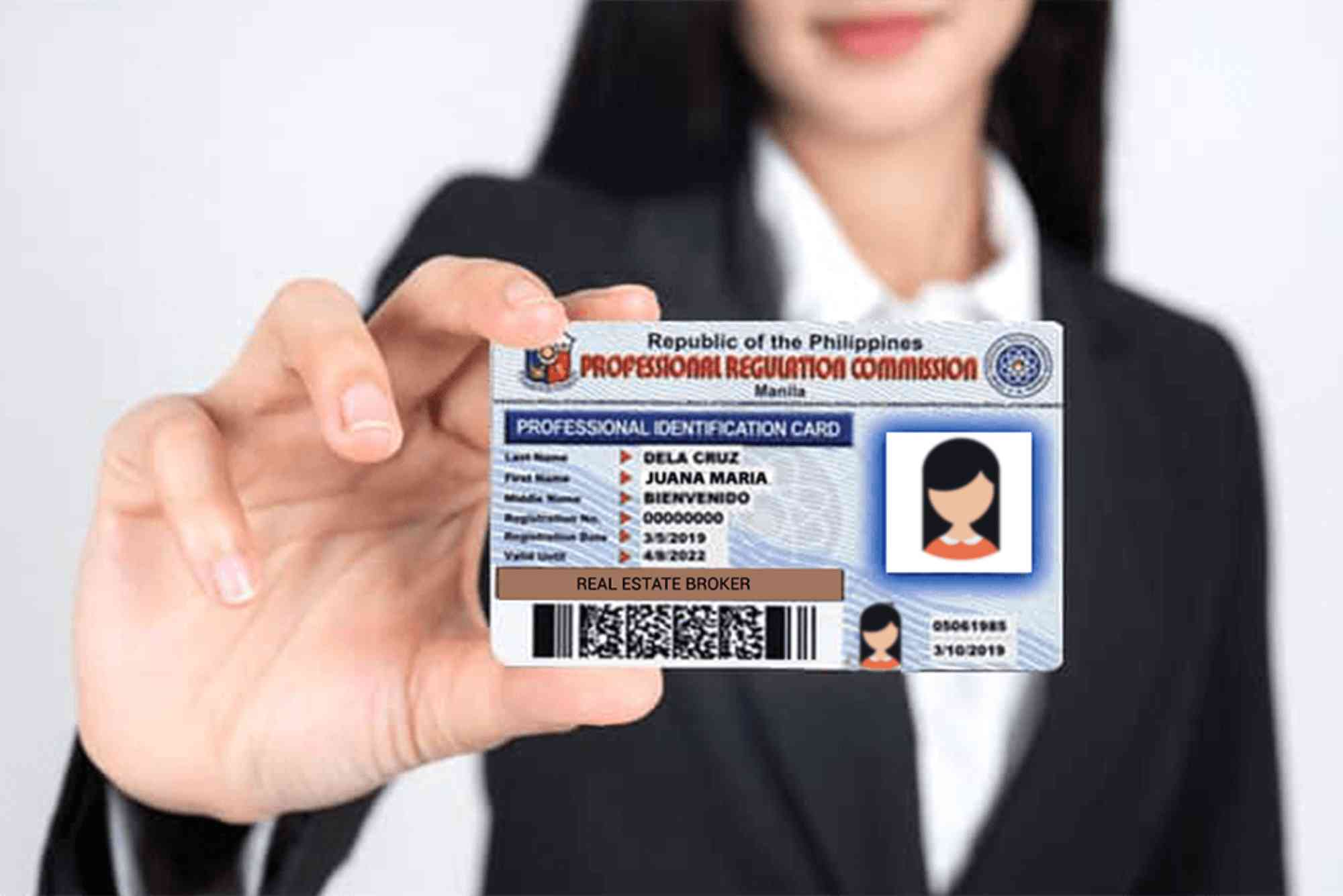
Introduction
Renewing your Philippine Regulation Commission (PRC) license while living abroad can seem daunting, especially for expatriates who are far from local PRC offices. However, with digital innovations and online platforms, the process has become more streamlined and accessible. Whether you’re a Filipino professional working overseas or a foreign national licensed by the PRC, understanding the updated renewal procedure is crucial. This guide will walk you through everything you need to know about Philippine Regulation Commission license renewal, especially tailored for expats.
Understanding the PRC and Its Role
The Philippine Regulation Commission (PRC) is the central body responsible for regulating and supervising various professional fields in the Philippines. From engineers and nurses to teachers and architects, the PRC ensures that all licensed professionals meet required standards and ethical practices. A valid PRC license is essential not only for employment within the Philippines but also for career credibility abroad. Expats, especially Overseas Filipino Workers (OFWs), often need to renew their licenses to continue working legally or to support future re-entry into the local workforce.
Who Needs to Renew Their PRC License?
PRC license holders are required to renew their licenses every three years. This applies to all professionals regulated by the PRC. For expats or OFWs, maintaining an active license helps preserve career opportunities and serves as a legal document for authentication and verification overseas. If your license has expired, you can still renew it, but you may face additional requirements such as Continuing Professional Development (CPD) compliance and penalty fees.
Online PRC License Renewal: A Game Changer for Expats
The introduction of the PRC Licensure Examination and Registration Information System (LERIS) has significantly simplified the process for license renewal. Expats no longer need to be physically present in the Philippines to initiate the process. Through LERIS, applicants can set appointments, upload requirements, and even opt for overseas delivery of their renewed licenses through authorized courier services.
To begin, expats must register on the PRC LERIS platform using a valid email address and personal details that match their existing PRC records. It’s important to double-check these details for accuracy to avoid delays or rejection.
Step-by-Step Guide to PRC License Renewal for Expats
Create or Log into Your LERIS Account
Go to the official PRC LERIS website and create a new account or log in if you already have one. Use a valid email that you can easily access from abroad.

Fill Out Your Personal Information
Ensure all details are accurate and match your previous PRC records. Incorrect entries may delay the renewal or cause complications in your license status.
Upload a Recent Photo
Your photo must meet specific PRC guidelines: white background, passport-sized, and formal attire with a collar. Avoid selfies or heavily edited pictures.
Choose Your Transaction Type
Click on “Renewal” and select your professional category. If you’re renewing multiple licenses, each one must be processed separately.
Select Your Preferred PRC Office or Delivery Option
Since you’re abroad, you may need to appoint a representative in the Philippines who can claim your ID, or opt for courier delivery if available. Make sure to indicate this properly on the platform.
Pay the Renewal Fee
PRC renewal fees vary depending on the profession but typically range from PHP 450 to PHP 900. Online payment options include credit/debit cards, e-wallets, or bank transfers. Save the official receipt for future reference.
Upload CPD Units
The Continuing Professional Development (CPD) requirement varies by profession. While PRC allows CPD compliance flexibility for OFWs and expats, it’s still advisable to upload any seminars, certifications, or trainings you’ve completed.
Set an Appointment or Courier Pickup
If someone is claiming your ID on your behalf, schedule their appointment. If using a courier service, provide a complete delivery address and verify if your location is covered.
Continuing Professional Development (CPD) Requirements for Expats
CPD is a mandatory requirement for most PRC license renewal However, the PRC provides exemptions and flexibility for professionals based abroad. Expats may submit proof of overseas training, workshops, or job-related learning activities in place of local CPD seminars.
The PRC Resolution No. 1240 allows OFWs to renew their licenses even with incomplete CPD units, as long as they submit an Affidavit of Undertaking and commit to completing the units during the next renewal cycle.
Common Challenges for Expats and How to Overcome Them
Problem: No Access to a PRC Office Abroad
Solution: Use the online system and designate a trusted representative in the Philippines. Ensure they bring a Special Power of Attorney (SPA) and valid ID when claiming your license.
Problem: Incomplete CPD Units
Solution: Submit an Affidavit of Undertaking and any alternative documents like job training certifications or international webinars. These may be credited towards CPD compliance.
Problem: Incorrect Personal Details
Solution: Before renewing, request a correction via the PRC website. Update any mismatches in your name, birthdate, or profession category to prevent system rejection.
Problem: Delayed Delivery of ID
Solution: Track your license via the courier’s tracking number. Always provide a complete and accurate overseas address. Use official PRC-accredited courier services only.
Tips for a Smooth Renewal Experience
Start the process 3–6 months before your license expiration to avoid last-minute stress. Keep digital copies of all documents, including your SPA, CPD proofs, and payment receipts. Also, regularly check your PRC account dashboard for updates on your renewal status.
Be vigilant against fake renewal services or fixers promising express delivery. The PRC has only one official platform for all licensing transactions. If in doubt, refer to PRC’s official website or contact their customer service through email.
The Importance of Renewing Your PRC License
For expats, a valid PRC license isn’t just a professional requirement—it’s a mark of legitimacy, competence, and connection to the Philippine professional community. Renewing your license keeps you legally compliant, enhances your employability abroad, and protects your professional reputation.
Moreover, many employers and international agencies verify credentials through PRC. An expired license could negatively affect employment offers, visa applications, or job promotions. Staying updated means staying competitive.
Renewing your PRC license as an expat is easier than ever, thanks to digital platforms and flexible CPD options. By planning ahead, maintaining accurate records, and using official channels, expats can renew their Philippine Regulation Commission licenses from anywhere in the world.
Don’t let distance be a barrier to your professional growth. Start your Philippine Regulation Commission license renewal today and keep your career on track—no matter where in the world you are.
(FAQs)
How can I renew my PRC license while working abroad?
You can renew it online through the PRC LERIS portal. After completing the online process, you can designate someone to pick up your license or use an accredited courier service.
Can I renew my PRC license without CPD units as an OFW?
Yes, OFWs may submit an Affidavit of Undertaking to renew without full CPD compliance. However, they are expected to complete the units during the next cycle.
Is it possible to get my renewed license delivered overseas?
In most cases, delivery is limited to Philippine addresses. However, some courier services may offer international options. Check with PRC for the latest delivery guidelines.
How much is the PRC license renewal fee?
Renewal fees vary by profession but typically range from PHP 450 to PHP 900. Additional courier charges apply if you choose delivery.
Can a relative claim my renewed license for me?
Yes, a relative or representative can claim your ID, but they must present a valid Special Power of Attorney (SPA) and their own ID for verification.