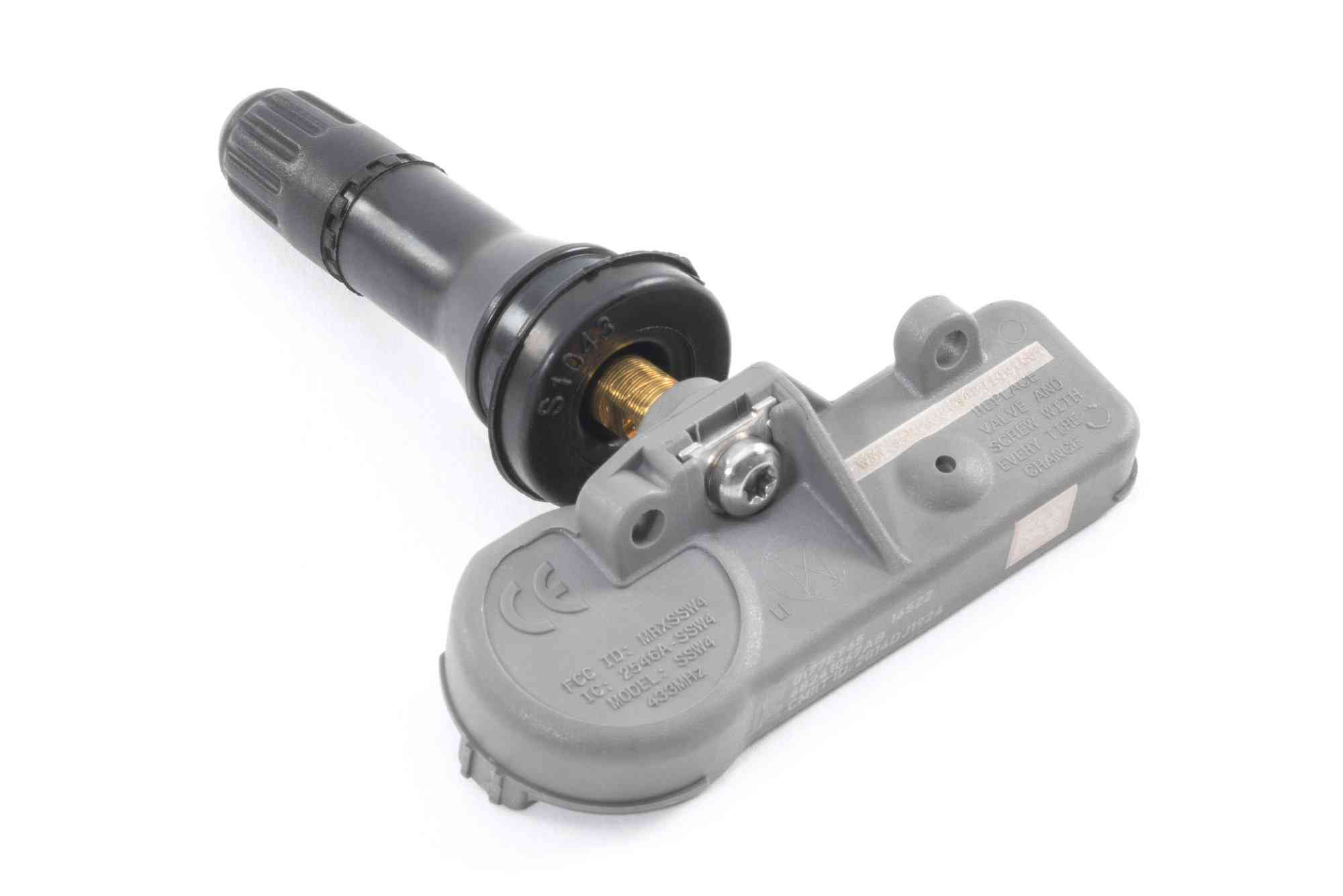
Tire Pressure Valve Sensor: How It Works and Why It’s Important
Maintaining proper tire pressure is crucial for vehicle safety, fuel efficiency, and tire longevity. One key component that ensures your tires stay in optimal condition is the tire pressure valve sensor. This small yet essential device continuously monitors tire pressure, alerting drivers to potential issues before they become dangerous. In this article, we’ll explore how tire pressure valve sensors work, their importance, and tips for maintenance.
What Is a Tire Pressure Valve Sensor?
A tire pressure valve sensor (TPMS) is a device installed in your tire that monitors air pressure in real time. It sends information to your vehicle’s onboard computer system. If pressure falls below or rises above recommended levels, the system alerts you.
Components of a Tire Pressure Valve Sensor
- Sensor module: Measures tire pressure and temperature.
- Battery: Powers the sensor, typically lasting 5–10 years.
- Transmitter: Sends pressure data to the car’s display system.
- Valve stem: Allows air to enter or exit the tire, integrating the sensor into the tire structure.
How a Tire Pressure Valve Sensor Works
Understanding how a tire pressure valve sensor works helps drivers appreciate its role in vehicle safety.
Pressure Measurement
The sensor constantly measures the air pressure inside the tire. It uses a tiny pressure gauge integrated within the sensor module.
Data Transmission
The sensor transmits pressure data wirelessly to the vehicle’s onboard computer. Modern systems use radio frequency (RF) signals for this communication.
Alert Generation
When tire pressure drops or rises beyond the recommended range, the system triggers a warning light on your dashboard. This lets you take immediate action.

Types of Tire Pressure Valve Sensors
There are two main types of tire pressure valve sensors:
Direct TPMS
Direct TPMS sensors are installed inside the tire, directly measuring air pressure. They are highly accurate and provide real-time data.
Indirect TPMS
Indirect sensors estimate tire pressure using wheel speed and other signals from the anti-lock braking system (ABS). They are less precise but more cost-effective.
Why Tire Pressure Valve Sensors Are Important
Proper tire pressure is not just a maintenance issue—it’s a safety matter. Here’s why tire pressure valve sensors are essential:
Enhances Safety
Underinflated or overinflated tires can cause blowouts or loss of control. TPMS provides early warnings, reducing accident risk.
Improves Fuel Efficiency
Correct tire pressure reduces rolling resistance, helping your vehicle consume less fuel.
Extends Tire Life
Evenly inflated tires wear more slowly and evenly, saving money on replacements.
Reduces Environmental Impact
Lower fuel consumption also means reduced carbon emissions, making TPMS eco-friendly.
Signs Your Tire Pressure Valve Sensor Needs Attention
Even reliable sensors can fail over time. Watch for these signs:
- TPMS warning light stays on.
- Inconsistent tire pressure readings.
- Dead sensor battery.
- Damage to the valve stem during tire service.
How to Maintain Tire Pressure Valve Sensors
Proper maintenance extends the life of your TPMS and ensures accurate readings.
Check Sensors Regularly
Have your sensors inspected during routine tire rotations or vehicle servicing.
Replace Batteries on Time
Most sensors use batteries lasting 5–10 years. Replace them promptly to avoid failure.
Handle Tires Carefully
Avoid damaging the valve stem when changing tires. Use professional services if needed.
Recalibrate After Tire Service
After rotating or replacing tires, recalibrate the TPMS to ensure accurate readings.
Common Myths About Tire Pressure Valve Sensors
TPMS Is Only for Luxury Cars
Many modern vehicles, including economy models, come equipped with TPMS as standard safety equipment.
Sensors Last Forever
Batteries and electronics degrade over time, typically requiring replacement every 5–10 years.
Manual Checks Are Enough
Manual pressure checks are useful, but TPMS provides real-time alerts, especially during long drives.
Benefits of Modern TPMS Technology
- Real-time monitoring and alerts.
- Integration with smartphone apps for remote tracking.
- Compatibility with tire pressure maintenance systems in commercial vehicles.
- Automatic logging of tire data for predictive maintenance.
A tire pressure valve sensor is a small device with a big impact on safety, fuel efficiency, and tire longevity. Understanding how it works and maintaining it properly ensures your vehicle remains reliable and safe on the road. Don’t wait for a warning light to take action—regularly check your sensors and tire pressure.
FAQs
Q1: How often should I check my tire pressure valve sensor?
A1: Inspect your TPMS during routine tire rotations, or at least every 6 months.
Q2: Can I replace a tire pressure valve sensor myself?
A2: It’s possible, but professional installation is recommended to avoid damage and ensure proper calibration.
Q3: How long do tire pressure valve sensors last?
A3: Most sensors last 5–10 years, depending on usage and battery life.
Q4: Why is my TPMS warning light on even after inflating tires?
A4: The sensor may need recalibration, or the battery could be low. Check with a professional.
Q5: Are direct TPMS sensors better than indirect ones?
A5: Direct sensors provide more accurate, real-time data, while indirect sensors are more cost-effective but less precise.