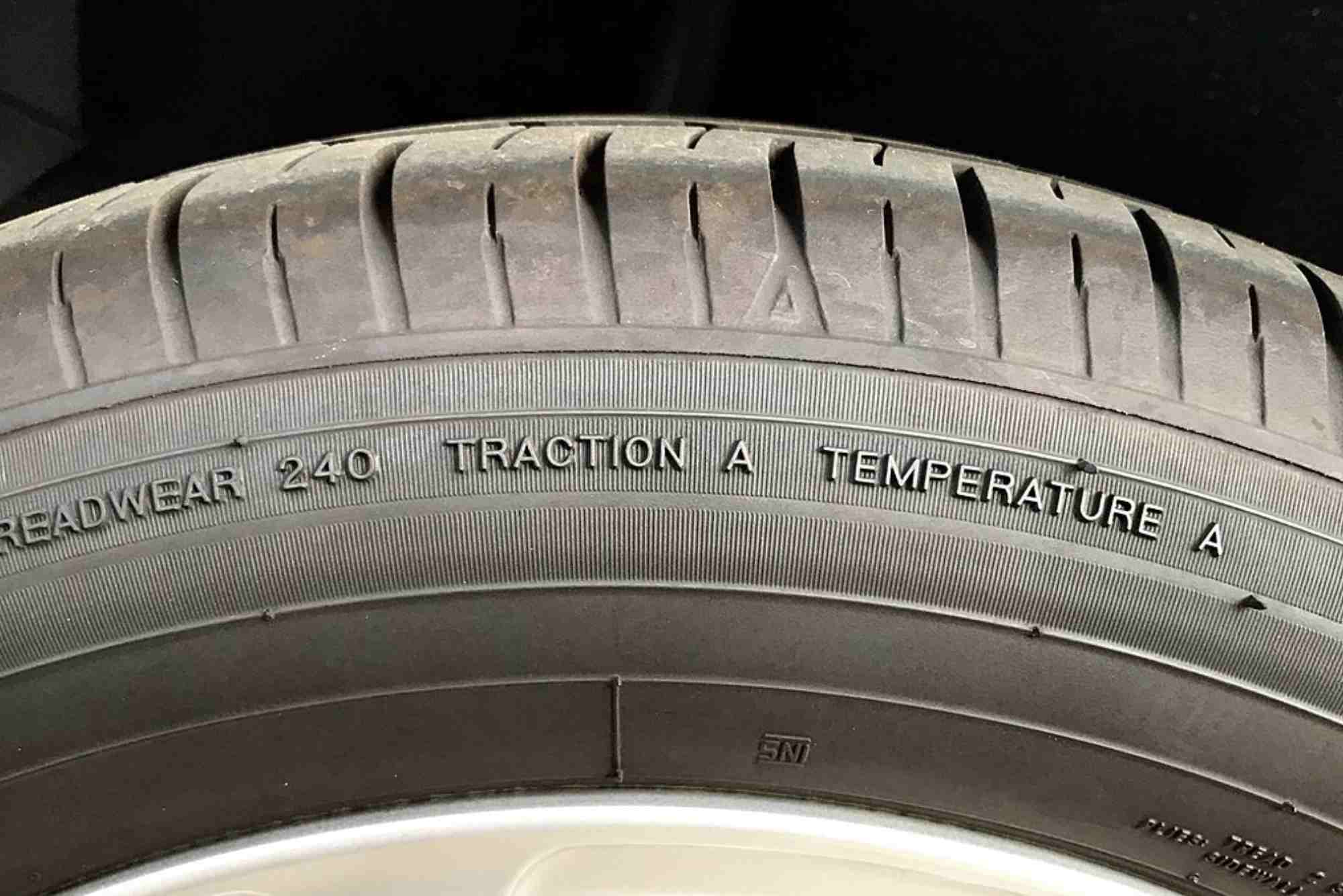
Tire Treadwear Rating Chart: Understanding the Code for Tire Durability
Choosing the right tire is more than just picking a brand or size. One of the most important indicators of a tire’s longevity is its treadwear rating. Understanding the tire treadwear rating chart helps you predict how long a tire will last, compare different tires, and make an informed decision for safety and performance.
What Is a Tire Treadwear Rating?
A tire’s treadwear rating is a numerical value indicating its expected durability compared to a reference tire. The higher the rating, the longer the tire should last under normal driving conditions.
How the Rating Works
Treadwear ratings are part of the Uniform Tire Quality Grading (UTQG) system. For example, a tire with a treadwear rating of 400 is expected to last twice as long as a tire rated 200, all else being equal. This system allows drivers to compare tires based on their durability rather than just brand reputation.
Why It Matters
- Longevity: A higher treadwear rating generally means the tire lasts longer.
- Cost-effectiveness: Choosing durable tires can reduce replacement frequency.
- Performance balance: Knowing the rating helps balance traction and wear.
Understanding the Tire Treadwear Rating Chart
A tire treadwear rating chart provides a clear view of what different ratings mean for tire lifespan and performance.
| Treadwear Rating | Expected Lifespan | Typical Use |
|---|---|---|
| 100 – 200 | 20,000–30,000 km | High-performance or soft compound tires |
| 201 – 300 | 30,000–40,000 km | Standard passenger tires |
| 301 – 400 | 40,000–50,000 km | Touring tires with balanced durability |
| 401 – 600 | 50,000–70,000 km | Long-lasting highway tires |
| 601+ | 70,000+ km | Hard compound tires for heavy use |
Key Points from the Chart
- Low ratings (100–200): Fast-wearing tires, often high-performance.
- Mid-range ratings (201–400): Balanced durability and performance, ideal for daily driving.
- High ratings (401+): Focused on longevity, may compromise some traction or comfort.
How Tire Treadwear Ratings Are Determined
Treadwear ratings are not arbitrary. They are calculated through standardized testing methods.
Testing Process
- Controlled environment: Tires are tested on a government-approved course under controlled conditions.
- Reference tire comparison: The test tire’s wear is measured against a reference tire rated 100.
- Adjustment factors: Factors such as speed, load, and tire type are considered.
Real-World Factors
While ratings provide guidance, actual tire lifespan depends on:

- Driving habits
- Road conditions
- Vehicle type
- Tire maintenance
Tips to Maximize Tire Lifespan
Even tires with a high treadwear rating can wear quickly if not maintained properly. Follow these tips to maximize durability:
Maintain Proper Tire Pressure
Underinflated or overinflated tires wear unevenly. Check pressure monthly and adjust according to manufacturer recommendations.
Rotate Tires Regularly
Rotating tires every 5,000–8,000 km ensures even wear across all four tires, extending overall life.
Balance and Align Wheels
Proper wheel alignment prevents uneven wear and maintains vehicle stability.
Avoid Aggressive Driving
Frequent hard braking and rapid acceleration increase tread wear and reduce tire lifespan.
Inspect Tires Regularly
Check for cracks, punctures, or uneven wear to address issues early.
Common Misconceptions About Treadwear Ratings
Understanding a tire treadwear rating chart clears up some common myths:
- Myth 1: Higher rating always means better tire.
Higher rating indicates longevity, not necessarily superior traction or performance. - Myth 2: Ratings guarantee lifespan.
Ratings are estimates. Real-world factors like driving style and climate affect actual life. - Myth 3: Premium tires last longer.
Brand alone does not determine wear; compound and usage play a bigger role.
How to Use a Tire Treadwear Rating Chart Effectively
Identify Your Needs
Determine whether your priority is:
- Performance: Lower treadwear may be acceptable for sports cars.
- Durability: Higher treadwear suits daily commuting and long trips.
Compare Options
Use the chart to compare multiple tires within your category. Look for ratings that balance your need for performance and longevity.
Consider All UTQG Grades
Along with treadwear, check traction and temperature ratings for overall tire safety and performance.
A tire treadwear rating chart is an essential tool for any driver looking to make informed tire choices. Understanding treadwear ratings allows you to balance performance, durability, and safety effectively. By maintaining your tires and monitoring their wear, you can maximize their lifespan and save money in the long run.
FAQs
Q1: What is a good tire treadwear rating?
A treadwear rating between 300–500 is generally suitable for most passenger vehicles, offering a balance of durability and performance.
Q2: Does a higher treadwear rating mean better traction?
Not necessarily. Higher ratings indicate durability, while traction depends on tire compound and design.
Q3: How often should I check tire treadwear?
Check every month for signs of uneven wear, cracks, or tread depth reduction.
Q4: Can I rely solely on treadwear ratings to choose tires?
No. Consider traction, temperature rating, vehicle type, and driving conditions along with treadwear.
Q5: Do all brands use the same treadwear scale?
Yes, all tires sold in the U.S. follow the UTQG system, though testing conditions may vary slightly by manufacturer.