V vs Y Rated Tires: What’s the Difference and Which One to Choose?
Choosing the right tires is more than just picking a brand or style—it’s about understanding specifications, especially speed ratings. Among these, V vs Y rated tires are often compared by car enthusiasts and everyday drivers alike. These letters indicate the maximum speed your tires can safely handle. Selecting the wrong rating can affect your vehicle’s performance, safety, and even fuel efficiency. This guide explains everything you need to know to make an informed choice.
Understanding Tire Speed Ratings
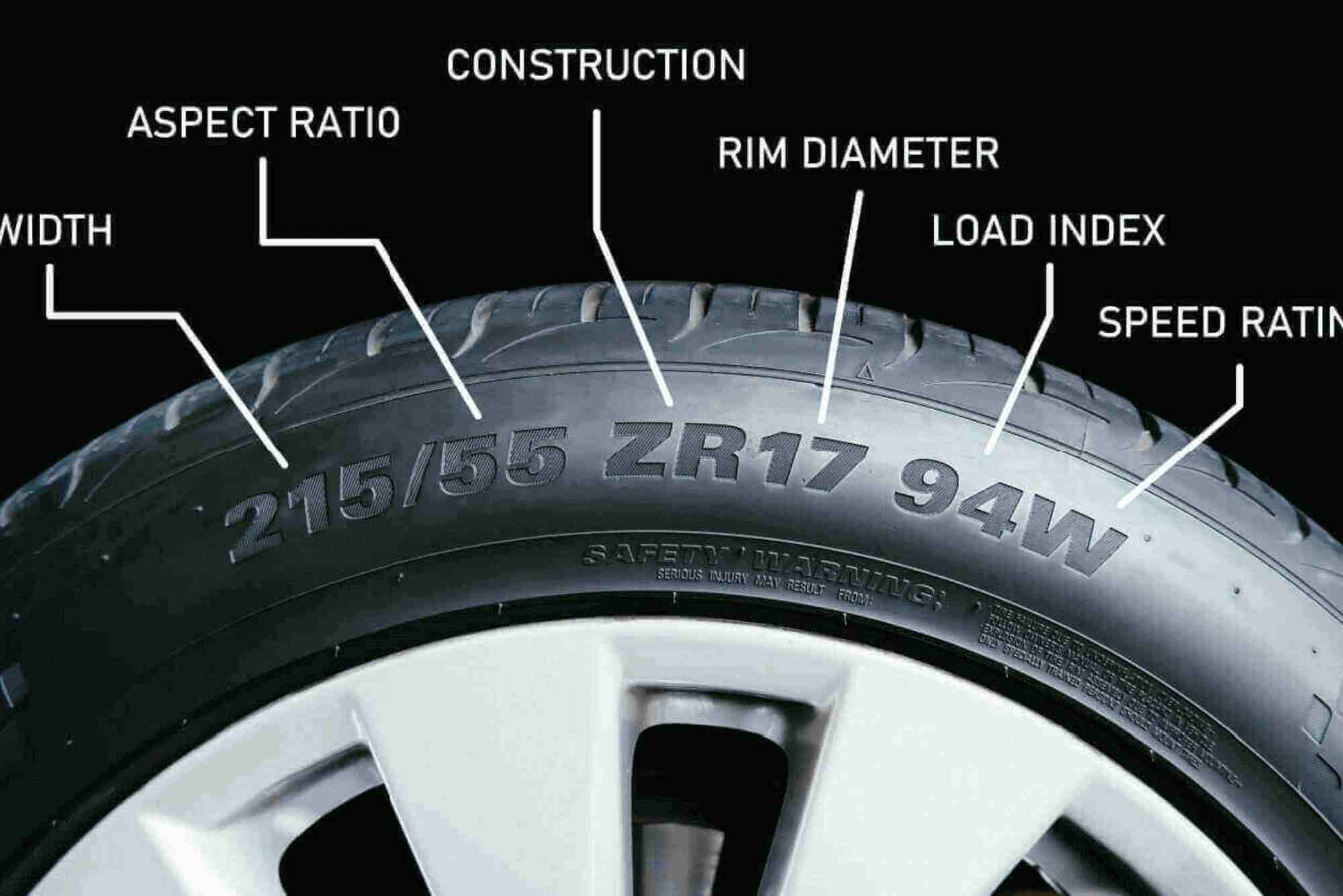
Tire speed ratings are standardized indicators showing the maximum speed a tire can sustain under optimal conditions. They are marked on the tire’s sidewall after its size, like 225/50R17 94V.
What Do the Letters Mean?
- V Rated Tires: Safe up to 149 mph (240 km/h). Commonly found on sedans, crossovers, and some sporty vehicles.
- Y Rated Tires: Safe up to 186 mph (300 km/h). Typically used on high-performance sports cars and luxury vehicles.
These ratings do not imply you should drive at these speeds daily. They simply reflect the tire’s design limit for heat and stress.
V vs Y Rated Tires: Key Differences
Understanding the differences between V vs Y rated tires helps you choose the right tire for your driving style and vehicle.
Speed Capability
- V Rated Tires: Ideal for normal highway speeds, occasional spirited driving, and light sports car use.
- Y Rated Tires: Designed for very high speeds, strong acceleration, and extreme handling demands.
Performance and Handling
- V Rated Tires: Provide good traction, comfortable ride, and balanced handling.
- Y Rated Tires: Offer superior cornering, stability at high speeds, and optimized grip for performance vehicles.
Durability and Lifespan
- V Rated Tires: Tend to last longer due to lower heat generation at moderate speeds.
- Y Rated Tires: High-speed performance can reduce tire life if used under normal conditions consistently.
Cost Considerations
- V Rated Tires: More affordable, easier to maintain, and widely available.
- Y Rated Tires: Usually more expensive due to advanced construction and materials.
Factors to Consider When Choosing
Choosing between V vs Y rated tires depends on several practical factors:
Driving Speed
Consider your typical driving environment. If you rarely exceed highway speeds, V rated tires are sufficient. High-speed enthusiasts or track users may prefer Y rated tires.

Vehicle Type
- Sedans & SUVs: V rated tires are appropriate for comfort and safety.
- Sports Cars & Luxury Vehicles: Y rated tires enhance performance and stability.
Budget and Maintenance
- V rated tires are budget-friendly and offer longer tread life.
- Y rated tires require higher investment and more frequent monitoring.
Weather Conditions
Both ratings come in all-season and performance variants. Choose tires that match your climate—speed rating alone doesn’t ensure traction in rain or snow.
Safety Implications
Selecting the right speed rating impacts safety significantly:
- Using a lower-rated tire than recommended can increase heat buildup, risk blowouts, and reduce vehicle control.
- Higher-rated tires can improve handling and stability, especially during high-speed maneuvers.
- Always check the manufacturer’s recommendation in your vehicle manual.
Practical Tips for Tire Selection
- Check the Vehicle Manual: It specifies the minimum and recommended speed rating.
- Consider Driving Habits: Daily commuting vs. high-speed performance affects your choice.
- Inspect Tire Conditions: Heat resistance and tread wear are as important as speed rating.
- Consult a Professional: Tire experts can match tires to your vehicle, load, and driving style.
Understanding the difference between V vs Y rated tires is crucial for safety, performance, and longevity. If you drive a daily sedan or SUV, V rated tires are practical, durable, and cost-effective. For sports cars or performance driving, Y rated tires offer the high-speed capability and handling precision you need. Always follow your vehicle manufacturer’s recommendation and consider your driving style.
FAQs
Can I use a Y rated tire on a car designed for V rated tires?
Yes, but it may be overkill. Y rated tires are more expensive and can wear faster if used at normal speeds.
Are V rated tires slower than Y rated tires?
Not in everyday driving. V rated tires can handle typical highway speeds comfortably. The difference matters mainly at high speeds.
How can I find the speed rating on my tire?
Look at the sidewall, usually after the size. Example: 225/50R17 94V—here, “V” is the speed rating.
Does the speed rating affect fuel efficiency?
Slightly. Higher-rated tires may have more rolling resistance, which can marginally impact fuel economy.
Are V and Y rated tires suitable for winter conditions?
Speed rating does not determine winter performance. Look for M+S (Mud + Snow) or 3PMSF symbols for snow safety.