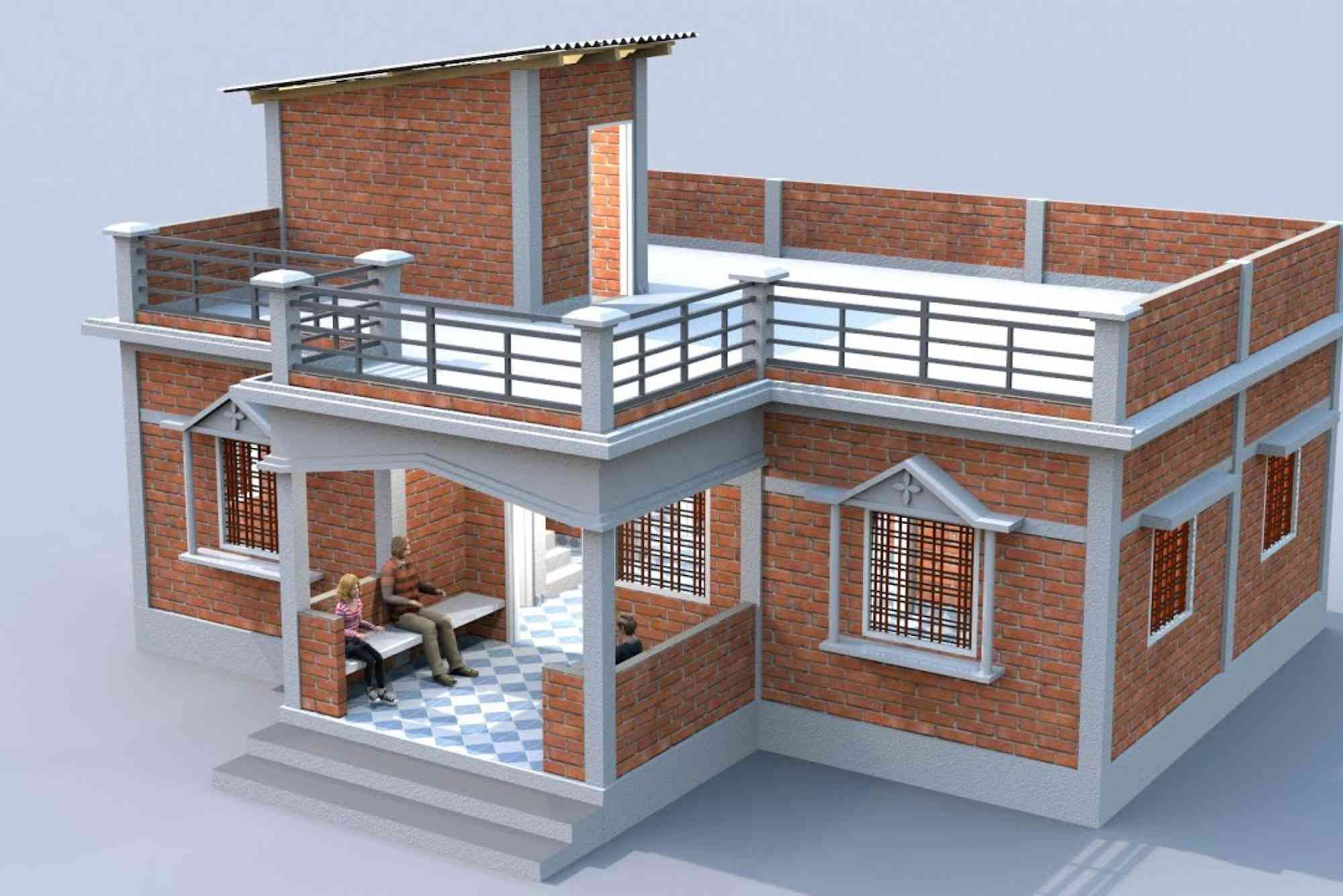
Village Home Design 3D: Create Your Dream Village Home
Designing your dream home in the village has never been easier, thanks to modern village home design 3D technology. Whether you’re planning a cozy traditional house or a modern countryside villa, 3D design tools allow you to visualize every detail before construction begins. With realistic simulations, customizable features, and advanced rendering, 3D designs give life to your imagination and help you plan your perfect village home efficiently and beautifully.
Understanding Village Home Design 3D
Village home design 3D refers to using advanced digital modeling software to create detailed, realistic visualizations of village-style homes. Unlike traditional 2D drawings, 3D home designs provide a lifelike perspective, allowing you to see the depth, scale, and proportions of your future home. From traditional mud-wall cottages to modern brick villas, this approach helps homeowners explore layouts, interiors, and exterior designs in full detail before a single brick is laid.
With 3D design, homeowners can rotate, zoom, and walk through their virtual home. It becomes easy to test color combinations, window placements, or roofing materials to find what fits best. The use of 3D home design software ensures accuracy and creativity, bridging the gap between imagination and reality.
The Beauty of Village Architecture in 3D
Village homes are known for their simplicity, comfort, and connection to nature. When combined with 3D design, this charm becomes more expressive. You can preserve the authenticity of rural architecture while introducing modern amenities. Thatched roofs, open courtyards, brick patterns, and verandas can all be recreated with precision through village home design 3D.
Traditional elements like clay tiles, natural ventilation, and outdoor kitchens can coexist with solar panels, smart lighting, and modern bathrooms in your digital model. 3D visualization helps balance heritage with innovation, ensuring your design remains both beautiful and practical.
Benefits of Using 3D Design for Village Homes
Realistic Visualization
The most significant benefit of 3D design is realism. You can virtually walk through your home and visualize how it will look in daylight, evening light, or even under the village sky.

Easy Customization
3D design software allows endless customization. Want a bigger veranda? Need more sunlight in your kitchen? You can make changes instantly and preview results immediately.
Cost and Time Efficiency
Designing your home digitally saves time and money. Potential mistakes are identified early, reducing construction delays and material wastage.
Enhanced Communication with Builders
Sharing a 3D model helps builders understand your expectations clearly. This reduces confusion and ensures that the final construction matches your dream design.
Integration of Traditional and Modern Styles
A major advantage of village home design 3D is the ability to combine traditional architecture with modern comfort. You can preserve the charm of rural living while enjoying today’s conveniences.
Essential Elements of a Perfect Village Home Design
Every village home tells a story. Designing one in 3D helps preserve that story while improving livability. Some key elements make a village home both charming and functional.
Open Layouts
Village homes thrive on open layouts that allow air and sunlight to circulate freely. 3D design tools can simulate airflow and natural lighting, ensuring healthy living spaces.
Courtyards and Outdoor Spaces
Central courtyards are a hallmark of village homes. They act as the heart of family life, perfect for gatherings and relaxation. In a 3D design, you can visualize garden arrangements, seating areas, and pathways with precision.
Local Materials and Textures
Use of local materials like stone, clay, and wood adds authenticity. With 3D modeling, you can preview how these materials look together and how they age over time.
Roof Styles and Shading
Thatched roofs, sloped tiles, or flat terraces can all be experimented with in your design. 3D tools help simulate the impact of sunlight, rain, and wind to choose the best option.
Sustainable Design Features
Village home design 3D makes it easier to incorporate eco-friendly elements like rainwater harvesting, solar panels, and energy-efficient windows without compromising aesthetics.
Tools and Software for Village Home Design 3D
Several powerful design tools are available today to help you create stunning 3D visualizations. Options like SketchUp, AutoCAD, Revit, and HomeByMe are widely used by architects and homeowners alike. These platforms allow users to design floor plans, experiment with furniture placement, and render photorealistic images.
For beginners, online tools and mobile apps like Planner 5D or Roomstyler offer easy drag-and-drop functionality, making design accessible even without technical expertise. For professionals, high-end tools like Lumion or V-Ray enhance designs with lighting effects and realistic textures.
How to Create a Village Home Design in 3D
Creating your dream village home in 3D follows a systematic process that combines creativity and practicality.
Define Your Vision
Start by defining your needs — number of rooms, lifestyle preferences, and architectural style. Decide whether you want a traditional look or a modernized version of a rural house.
Choose the Right Software
Pick a design tool that matches your skill level. For detailed architectural planning, professional tools work best. For simple visualization, online apps may suffice.
Create the Floor Plan
Draft your layout, including bedrooms, kitchen, courtyard, and verandas. Make sure natural light and ventilation are part of the plan.
Add Design Elements
Once your layout is ready, add details like furniture, lighting, doors, and windows. Adjust proportions and angles to ensure harmony.
Render and Visualize
Render your design in 3D to view realistic textures, shadows, and materials. This stage brings your vision to life and helps refine your final choices.
Get Professional Feedback
Share your design with an architect or builder to check feasibility. Their input can ensure that what looks perfect on screen can be built efficiently on-site.
Popular Village Home Design 3D Styles
Traditional Indian Village Homes
These designs feature clay roofs, mud walls, and open verandas. 3D modeling helps replicate these textures while adding durability and modern interiors.
Modern Minimalist Village Homes
Sleek lines, simple geometry, and natural tones make minimalist village homes appealing. 3D designs can blend simplicity with warmth through natural materials.
Eco-Friendly Village Homes
Sustainability is a growing trend. Designers now create solar-powered, rainwater-harvesting village homes using 3D visualization to test energy performance.
Two-Story Village Homes
For families wanting more space, two-story designs offer comfort without losing rural charm. In 3D, you can ensure harmony between upper and lower levels with perfect symmetry.
Why 3D Design Enhances the Village Living Experience
3D design brings a fresh perspective to rural homebuilding. It ensures your design is not only beautiful but also functional. The visual depth lets you experience your home’s atmosphere before construction begins. You can feel how morning light enters your living room, how shadows fall in the courtyard, and how materials complement each other.
This digital preview helps you build with confidence and emotional connection. It’s not just a house; it’s a visualization of your dreams, culture, and lifestyle.
Common Mistakes to Avoid in Village Home Design 3D
Even with powerful tools, mistakes can happen. Avoiding these ensures a smoother process.
Neglecting local climate conditions can lead to poor ventilation or excess heat. Always test lighting and airflow in your 3D model. Overloading the design with modern features may erase the traditional essence of a village home, so balance innovation with heritage. Skipping professional consultation might lead to unrealistic designs that look good digitally but are hard to build.
Future Trends in Village Home Design 3D
As technology advances, 3D design tools are becoming more immersive. Virtual reality (VR) and augmented reality (AR) now allow homeowners to “walk” inside their digital homes. AI-powered design assistants help generate layouts based on lifestyle patterns. Cloud-based collaboration also makes it easy to share and edit designs with builders remotely.
These innovations mean the future of village home design 3D will be more interactive, personalized, and sustainable than ever before.
Village home design 3D is transforming how people plan and build their dream rural homes. It offers a bridge between cultural heritage and modern comfort, allowing you to visualize, customize, and perfect every aspect of your home before construction begins. Whether you’re designing a small countryside cottage or a large farmhouse, 3D technology gives you the power to bring your imagination to life.
Frequently Asked Questions
What is the best software for 3D village home design?
Popular choices include SketchUp, Revit, and AutoCAD for professionals, while Planner 5D or Sweet Home 3D are great for beginners.
Can I create a 3D village home design on my phone?
Yes, mobile apps like HomeByMe and Roomstyler allow you to design directly on your phone with easy drag-and-drop tools.
How much does 3D home design cost?
Costs vary depending on complexity. Simple 3D renderings can be affordable, while detailed professional models may cost more.
Why is 3D design important for village homes?
It allows realistic visualization, customization, and better planning before construction begins, saving time and cost.
Can 3D design combine traditional and modern styles?
Absolutely. You can design homes that preserve traditional aesthetics while integrating modern amenities seamlessly.
Related Reading: Woolworths Home Insurance Promo Code — full guide
Related Reading: Ways to Heat a Home — full guide
Related Reading: Gehret Funeral Home — full guide
Related Reading: Geepas Home Theatre 5.1 Remote Price — full guide