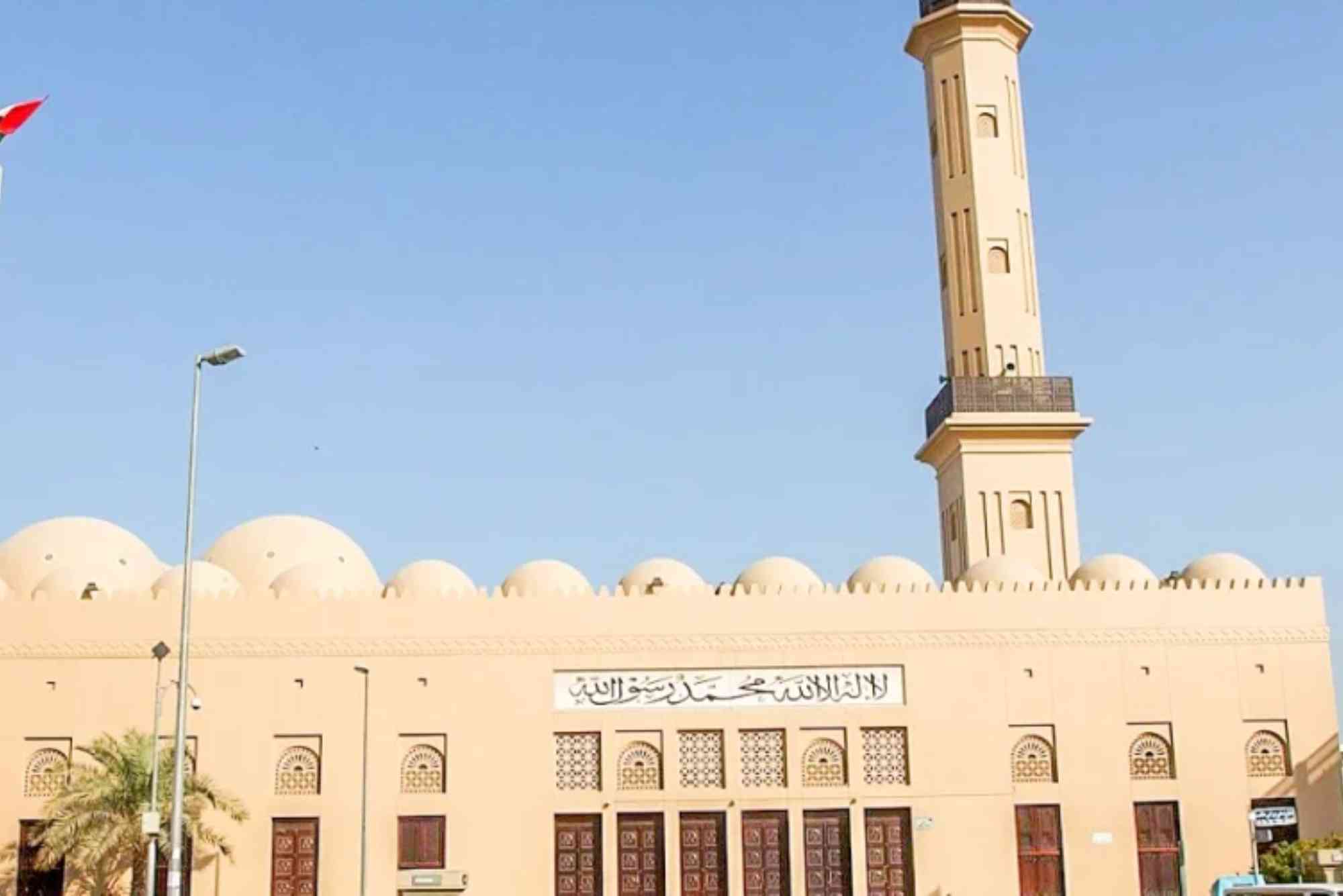
Zawal Time in Dubai Today: Midday Timing & Its Significance
Understanding the concept of Zawal time is essential for Muslims, especially for those living in Dubai where the daily rhythm of life is closely linked to prayer times. If you’re searching for “zawal time Dubai,” you’re likely trying to determine when exactly midday occurs and why this period is significant in Islamic practice. This article explains Zawal time in detail, including its timing in Dubai, the spiritual reasons behind avoiding prayer during this time, and how it fits into your daily worship routine.
What Is Zawal Time in Islam?
In Islamic terminology, Zawal refers to the time when the sun begins to move away from its highest point in the sky, also known as solar noon. It marks the moment when the sun starts its descent from the zenith. This point divides the morning from the afternoon and has major implications for prayer.
Zawal is not just an astronomical concept—it carries religious importance. Islamic scholars agree that Zawal time is the only brief period during the day when Muslims are prohibited from performing Salah. The Prophet Muhammad (peace be upon him) instructed his companions to avoid offering prayers at this time, except for specific acts like du’a (supplication) or voluntary remembrance.
Why Is Zawal Time Significant in Dubai?
Dubai, with its bustling urban life and strong Islamic culture, follows daily prayer schedules that align closely with solar movements. In this context, understanding Zawal time becomes essential, particularly for those who regularly offer Nafl (voluntary) prayers or work in roles where prayer scheduling is necessary.
In Dubai, the exact timing of Zawal can vary slightly each day based on the position of the sun. Typically, Zawal occurs just before the Dhuhr prayer. Because prayer apps and local mosques don’t explicitly list “Zawal time,” many people search online for clarification. It is essential to avoid praying during Zawal, so knowing this window is crucial.
How to Know Zawal Time in Dubai Today
The easiest way to determine Zawal time in Dubai today is to check your prayer timetable and locate the Dhuhr (midday) prayer time. Zawal usually begins 5–10 minutes before Dhuhr and ends exactly when the Dhuhr Adhan (call to prayer) is made.

For example, if the Dhuhr prayer in Dubai is scheduled at 12:18 PM today, Zawal likely starts around 12:08 PM and ends at 12:18 PM. During these few minutes, performing Salah is prohibited. However, you may engage in tasbeeh, du’a, or recitation of the Qur’an without performing the prayer itself.
What Happens During Zawal Time?
During Zawal time, the sun is at its peak directly overhead, a point where no shadow is cast except directly beneath objects. This is known as the zenith. Islamic traditions consider this specific moment to be a time of pause. In fact, three times during the day are generally prohibited for prayer:
- When the sun is rising
- When the sun is at its zenith (Zawal)
- When the sun is setting
These times are considered sacred boundaries in the Islamic practice of prayer, as they align with ancient practices meant to distinguish Islamic worship from sun worship or other pre-Islamic rituals.
Scientific and Spiritual Dimensions of Zawal
From a scientific perspective, Zawal time corresponds to solar noon—the point when the sun crosses the local meridian and reaches its highest point in the sky. This occurs roughly at midday, though not necessarily at 12:00 PM due to the equation of time and time zone variances.
Spiritually, this moment has been viewed in Islamic traditions as a brief interruption in the daily flow of worship. The Prophet (peace be upon him) emphasized respect for natural signs from Allah, and Zawal time is one such sign. It reminds believers to pause, reflect, and resume their religious duties with focus once the time is appropriate.
Common Mistakes Related to Zawal Time in Dubai
Many Muslims in Dubai unknowingly perform Nafl prayers just before Dhuhr, unaware that they may be doing so during Zawal time. Others believe that all prayer is prohibited during this window, including du’a, which is not correct. It’s important to clarify: while formal Salah is forbidden during Zawal, du’a, remembrance (zikr), and Quranic recitation are allowed and even encouraged.
To avoid this mistake, it’s best to use a trusted Islamic app that highlights Zawal time or consult your local mosque’s imam.
How Zawal Time Affects Daily Prayers
Zawal primarily affects voluntary prayers. Compulsory prayers like Fajr, Dhuhr, Asr, Maghrib, and Isha are scheduled in a way that avoids these prohibited times. However, if you’re planning to pray extra Rakats or offer Tahiyyatul Masjid (prayer upon entering the mosque), you should ensure that it’s not being offered during Zawal.
This awareness is especially important during Jummah (Friday prayer), when many people arrive early at the mosque and engage in multiple Nafl prayers before the sermon. Make sure you’re not offering those prayers within the Zawal window.
Zawal Time Dubai: Seasonal Variations
Zawal time in Dubai, like all solar-based timings, shifts slightly with the seasons. During summer, the sun reaches its zenith earlier compared to winter months. Here’s a general guide:
- Summer Months (May to August): Zawal time often falls between 12:05 PM to 12:20 PM
- Winter Months (November to February): Zawal time can occur from 12:15 PM to 12:30 PM
To be precise, always consult a daily prayer timetable from a reliable source. Islamic centers in Dubai, such as the Islamic Affairs and Charitable Activities Department (IACAD), often publish official prayer timings that you can rely on.
The Spiritual Meaning Behind Avoiding Salah at Zawal
Avoiding prayer during Zawal isn’t just a legal restriction; it has deep spiritual reasoning. Islamic teachings emphasize the importance of purity and humility in worship. The times when the sun is at a critical position (rising, zenith, setting) were often associated with pagan rituals. To ensure a clear distinction, Islamic law forbade Salah during these moments.
This separation also emphasizes that prayer in Islam is not just about the act, but about timing, intent, and respect for divine order. Observing these guidelines reflects a higher level of spiritual discipline and awareness.
Integrating Zawal Awareness into Your Daily Routine
For Muslims living in Dubai, adjusting your schedule to accommodate Zawal awareness can be simple with a few habits.
- Set a daily reminder 10 minutes before Dhuhr
- Avoid starting Nafl prayers after this reminder
- Use Islamic prayer apps that mark Zawal or prohibited prayer times
- Share this knowledge with friends and family who may not be aware
Being mindful of Zawal time helps ensure your acts of worship are valid, respected, and spiritually aligned with the Sunnah.
Understanding zawal time Dubai is about more than knowing when not to pray. It’s about aligning your spiritual actions with divine guidance. In a city like Dubai, where life is fast-paced, integrating this awareness into your day helps you stay connected to faith amidst the rush.
By observing the boundaries set by Zawal time, you demonstrate spiritual maturity, obedience to prophetic instruction, and respect for Allah’s natural signs. Let this knowledge guide your worship with more precision and reverence.
FAQ
What is Zawal time in Islam?
Zawal time refers to the brief period when the sun is at its highest point in the sky, just before Dhuhr prayer. It’s a prohibited time for Salah.
Can we pray during Zawal time in Dubai?
No, you cannot perform formal Salah during Zawal. However, du’a, zikr, and Qur’an recitation are allowed.
How to know Zawal time in Dubai today?
Check the Dhuhr prayer time and subtract 5–10 minutes. That window is typically the Zawal period.
Is Zawal time the same every day in Dubai?
No, it varies slightly depending on the season and the sun’s position. Always consult a current prayer timetable.
Is it haram to pray at Zawal time?
Performing formal Salah at Zawal is prohibited based on Hadith, but it’s not sinful if done out of ignorance. However, it should be avoided consciously.
What are the three prohibited times for Salah?
The Prophet (PBUH) instructed Muslims to avoid prayer at three times: during sunrise, at Zawal (zenith), and during sunset.