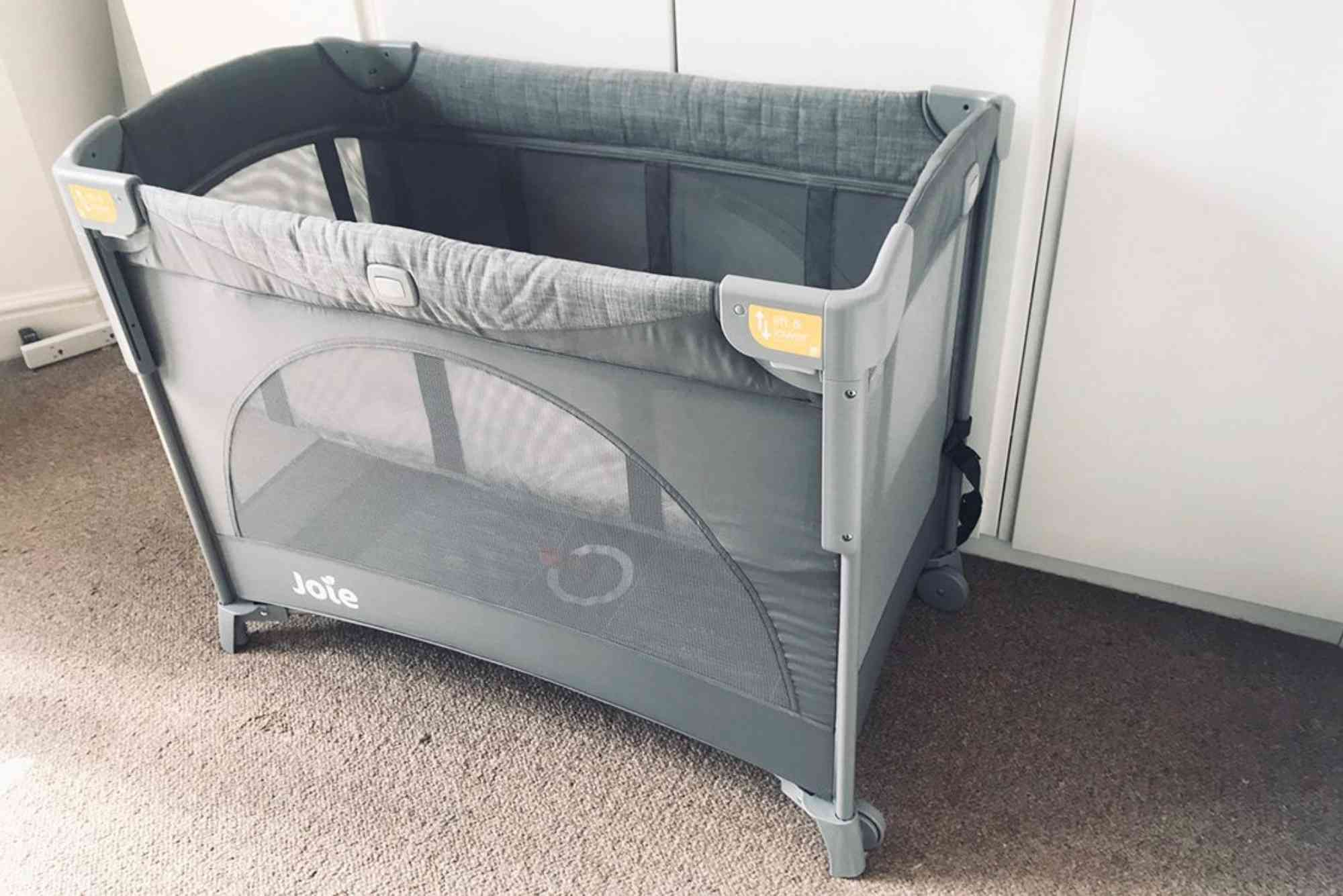
Is a Travel Cot a Long-Term Sleeping Solution for Kids?
Parents often ask, can you use a travel cot long term? It’s a practical question, especially for those short on space, living a mobile lifestyle, or needing a temporary solution. Travel cots are lightweight, portable, and easy to set up, making them incredibly convenient. But are they suitable for extended everyday use? Let’s explore the features of travel cots, expert opinions, and safety guidelines to help you make the right choice for your child.
Understanding What a Travel Cot Is
A travel cot is a foldable, portable crib designed for short-term use, typically during vacations, overnight stays, or short naps at grandparents’ houses. Made from lightweight materials like mesh, plastic, and aluminum frames, travel cots often include a thin mattress base and zippered side access. Their collapsible design makes them easy to transport and store.
Why Some Parents Consider Using a Travel Cot Long Term
Space constraints are a big reason why parents wonder, can you use a travel cot long term. In small apartments or shared rooms, fitting a full-sized crib might be challenging. Travel cots are compact and less intrusive. They’re also affordable, which is appealing for families on a budget.
Additionally, some parents value the versatility. If your child regularly switches between two homes, a travel cot offers a consistent sleep environment. The familiarity of the cot can help a baby or toddler sleep better, even in new surroundings.
Pros of Using a Travel Cot for Long-Term Sleeping
From a convenience perspective, travel cots offer several benefits that could make them suitable for long-term use, at least in specific scenarios. First, they’re incredibly easy to set up and break down. This flexibility is useful for families who move frequently. Travel cots are also lightweight, so if you need to rearrange a room or travel, it’s simple to take the cot with you.
Many modern travel cots come with enhanced features such as breathable mesh sides, zippered panels for easy access, and machine-washable fabrics. These designs promote airflow, hygiene, and parental convenience. Additionally, travel cots don’t have the hard slats of traditional cribs, which some parents feel is safer for active toddlers who roll or bump around in their sleep.

The Downsides: Why Travel Cots May Not Be Ideal Long Term
Despite the convenience, using a travel cot as a long-term sleeping solution does have limitations. Most notably, the mattress is often thin and not built for daily use. Babies and toddlers need proper spinal support during sleep, and many travel cot mattresses fall short in that area. Over time, these thin mattresses may wear down, affecting your child’s comfort and sleep quality.
Another concern is durability. Travel cots are not engineered for heavy use. Daily folding, unfolding, and weight pressure can weaken their frames and fabrics. While fine for occasional use, they may not stand the test of daily wear over months or years.
There’s also a safety component to consider. Travel cots may not meet the same rigorous safety standards as traditional cribs. For example, the sleeping surface is usually closer to the floor, which could pose issues if your child is learning to stand or climb. Additionally, mesh sides, while breathable, can tear or become loose if not maintained properly.
Pediatricians’ Take on Long-Term Travel Cot Use
Medical professionals generally recommend using a firm, supportive mattress in a well-constructed crib that meets current safety standards. Pediatricians often emphasize that quality sleep is crucial to a baby’s development—both physical and cognitive. Since most travel cot mattresses are soft and not supportive, they’re generally not recommended for permanent use.
However, if the travel cot is equipped with a firm, safe mattress and the child is not showing signs of discomfort, short-term extended use may be acceptable. Pediatricians also recommend monitoring your child closely for sleep disruptions, back posture issues, or mood changes that could stem from poor sleep quality.
Can You Upgrade a Travel Cot for Long-Term Use?
If you’re seriously considering using a travel cot long term, enhancing the mattress is essential. Some companies offer aftermarket mattresses made to fit specific travel cot models. These are often thicker and more supportive. Still, they must fit snugly to avoid gaps that could pose a suffocation risk.
You should also check the travel cot’s weight and height limit. Many are designed for children under 15 kg (around 33 pounds) or up to 2 years of age. Going beyond these limits can compromise safety. It’s also wise to regularly inspect the cot for wear and tear. Loose stitching, broken zippers, or bent frames are signs that the cot is no longer safe for long-term use.
Signs Your Child Needs to Transition from a Travel Cot
Even if your child is sleeping peacefully in a travel cot, certain signs indicate it might be time to switch to a more permanent solution. If your toddler starts standing, climbing, or frequently wakes up due to discomfort, it may no longer be safe or supportive enough. Behavioral changes like restlessness, frequent night wakings, or complaints of aches may also suggest that the sleep environment needs improvement.
Children grow quickly, and while a travel cot may feel like a good fit now, it might not support your child’s development over the long term. Making the switch to a crib or toddler bed ensures better ergonomic support and peace of mind.
Safety Guidelines When Using a Travel Cot Long Term
If you choose to use a travel cot beyond the recommended short-term period, it’s important to follow strict safety practices. Always use the mattress provided by the manufacturer or a compatible one designed for that specific model. Never use pillows or additional padding as a substitute for a better mattress, as they increase the risk of suffocation.
Make sure the cot is placed on a flat, stable surface, and keep the area around it free from cords, curtains, and furniture that a baby could reach and pull. Regularly check the frame for loose joints, and ensure that all locking mechanisms are securely in place before each use.
Clean the cot frequently. Accumulated dust, allergens, or spills can affect your baby’s health and sleep quality. Most travel cot fabrics are removable and washable, which helps in maintaining hygiene.
Real-Life Scenarios: When Using a Travel Cot Long Term Makes Sense
There are situations where using a travel cot long term can be justified. For example, in temporary housing, while waiting for furniture delivery, or during extended family visits. Families living a nomadic lifestyle or working in seasonal jobs may find the portability of travel cots invaluable.
Parents fostering infants or toddlers for short periods might also find travel cots convenient and less expensive than purchasing a full crib setup. In all such cases, the key is monitoring the child’s comfort and ensuring regular inspection of the cot’s condition.
Can You Use a Travel Cot Long Term?
So, can you use a travel cot long term? Technically yes, but with several conditions. It’s not an ideal long-term solution due to concerns about mattress quality, durability, and safety standards. However, if enhanced with a supportive mattress and used within safety limits, it may serve as a temporary extended solution under certain circumstances.
The most important factor is your child’s comfort and well-being. If you notice any decline in sleep quality or signs of physical discomfort, transitioning to a crib or toddler bed should be your next step.
Still unsure whether a travel cot is right for long-term use? Speak with a pediatrician or child sleep consultant to assess your child’s specific needs. And if you decide to use one, invest in a high-quality travel cot with a proper mattress for safer, healthier sleep.
FAQs
Can babies sleep in a travel cot every night?
Yes, but only for a limited time. While travel cots are safe for overnight sleep occasionally, long-term nightly use may not provide adequate support for your baby’s growing body. It’s essential to ensure the mattress is firm and the cot is in excellent condition.
At what age should a child stop sleeping in a travel cot?
Most travel cots are suitable up to 2 or 3 years old, depending on the model’s weight and height limits. Once your child can climb out or exceeds the manufacturer’s recommendations, it’s time to switch to a crib or toddler bed.
Are travel cot mattresses safe for daily use?
Standard travel cot mattresses are not designed for daily use. They are usually thin and lack proper support. If you plan to use a travel cot long term, upgrade to a compatible, firmer mattress that meets safety standards.
Is it bad for a toddler to sleep in a travel cot for several months?
Not necessarily, but it depends on the quality of the mattress and the cot’s structural condition. For toddlers under 2 who aren’t climbing yet, a well-maintained travel cot with a supportive mattress can be used for a few months. However, regular monitoring is crucial.
Can I replace the travel cot mattress with a regular crib mattress?
No, you should never use a mattress that doesn’t fit snugly in the travel cot. Gaps between the mattress and the frame can pose a suffocation risk. Always use a mattress specifically designed for your travel cot model.