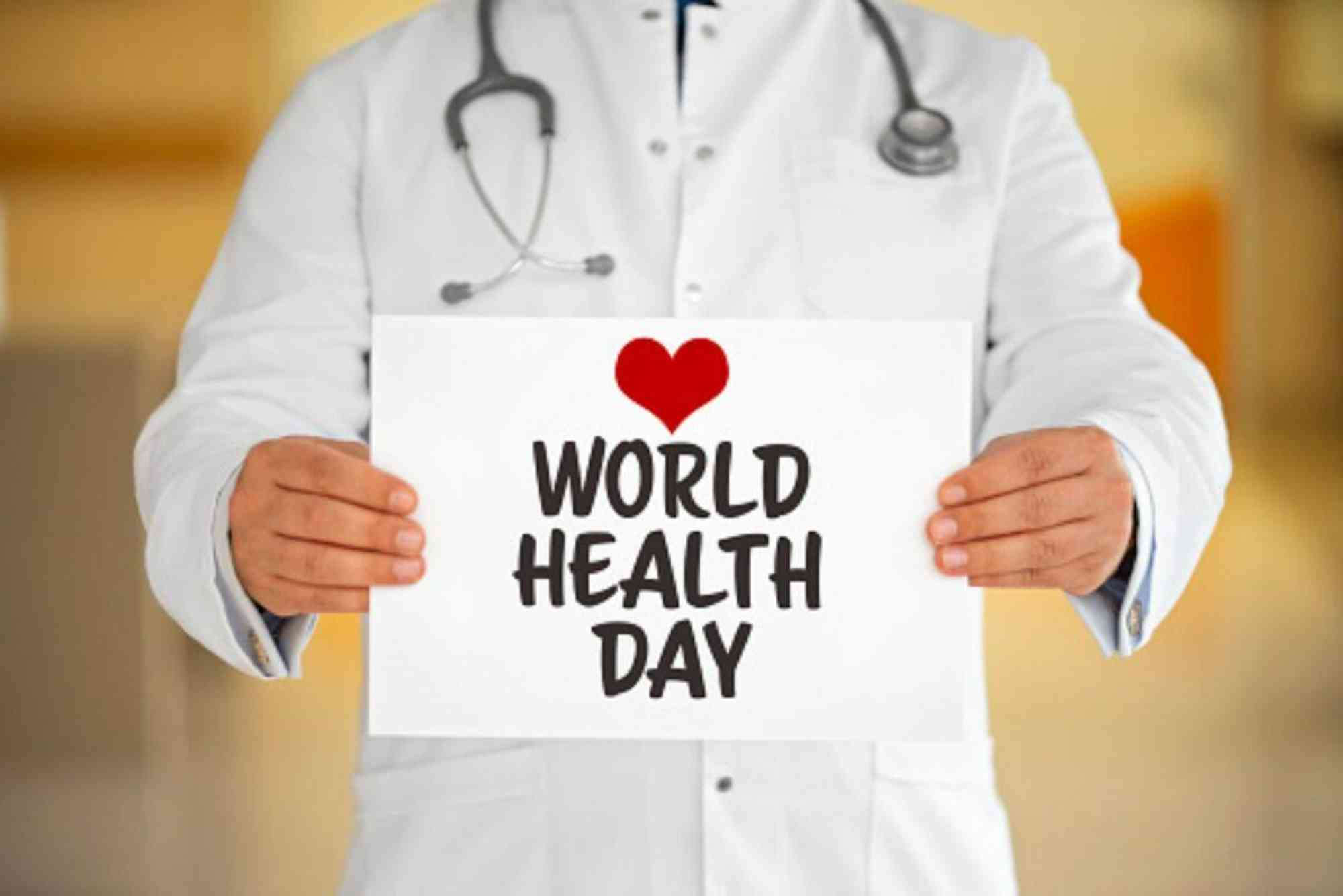
Each year on April 7th, the world unites to observe World Health Day — a date that highlights global health priorities and celebrates public health milestones. But when did World Health Day start, and why is it significant in our modern world?
This article explores the origins of World Health Day, its evolution over time, and the global impact it continues to have. Whether you’re a student, health professional, or simply curious, understanding the day’s meaning provides context for the ongoing work to achieve health for all.
What Is World Health Day?
World Health Day is an international observance led by the World Health Organization (WHO). It aims to raise awareness about key health issues affecting people around the globe. Each year, it focuses on a different theme, drawing attention to the most pressing health challenges of the time.
It’s not just symbolic — the campaigns, partnerships, and global discussions that take place on this day often influence policy, education, and community action worldwide.
When Did World Health Day Start?
The answer to the popular question, “when did World Health Day start,” takes us back to the founding days of the World Health Organization.
Founding of WHO and the Birth of World Health Day
The WHO was officially established on April 7, 1948, following the aftermath of World War II. It became the first specialized agency of the United Nations concerned with international public health. That very date, April 7, was later chosen to celebrate World Health Day, beginning in 1950.

Since then, World Health Day has been observed annually, each time focusing on a unique health theme — from mental health and food safety to climate change and universal health coverage.
The Significance of World Health Day
World Health Day isn’t just another global observance. It serves a vital role in shaping public health conversations and policies.
Raising Global Awareness
Each year, World Health Day brings attention to health topics that are under-represented in media or misunderstood by the public. By selecting a new theme annually, WHO ensures diverse health issues get the spotlight they deserve.
Mobilizing Action
Government bodies, non-profits, healthcare institutions, and educational organizations use this day to run public campaigns. These often include free health screenings, webinars, vaccination drives, and wellness education — all of which encourage proactive health management.
Encouraging Global Collaboration
Health problems rarely respect borders. By fostering collaboration among nations, World Health Day encourages sharing research, best practices, and resources. This spirit of unity is especially crucial during global crises, such as pandemics or climate-related health threats.
Evolution of Themes Over the Years
Each World Health Day focuses on a central theme that reflects current global health priorities. These themes not only spotlight urgent issues but often spark long-term health reforms and international initiatives.
For example, past themes like “Depression: Let’s Talk” and “Health for All” led to increased funding for mental health services and expanded access to primary care in many regions.
Themes often evolve from data-driven insights collected by WHO, influenced by trends in disease, healthcare inequality, and emerging threats.
World Health Day’s Role in Modern Health Movements
In today’s digital world, World Health Day has grown beyond traditional events. Online platforms allow for global participation and broader impact.
Influencing Public Opinion
Social media campaigns, YouTube educational content, and digital infographics now form a large part of World Health Day’s outreach. These tools have proven effective in spreading facts quickly and countering health misinformation.
Supporting Sustainable Development Goals
World Health Day aligns with UN Sustainable Development Goal 3, which focuses on ensuring healthy lives and promoting well-being for all. The awareness created on this day helps governments track progress and adjust strategies toward this goal.
Why World Health Day Matters Today More Than Ever
As the world faces increasing health challenges — from pandemics to rising mental health issues and lifestyle-related diseases — the importance of World Health Day continues to grow.
Health Equity
In many parts of the world, access to basic healthcare is still a privilege, not a right. World Health Day keeps this conversation alive, demanding accountability from leaders and empowering communities to advocate for health justice.
Education and Prevention
Raising awareness helps prevent diseases before they spread. Whether it’s vaccination, hygiene, nutrition, or exercise, World Health Day campaigns promote lifelong healthy habits.
Unity in Crisis
During global emergencies such as COVID-19, World Health Day served as a rallying point for nations to share knowledge, support each other, and find solutions. It became a moment of solidarity and shared purpose.
How You Can Participate in World Health Day
Whether you’re an individual, educator, business owner, or policymaker, there are ways to get involved.
- Share awareness: Use your social media platforms to spread trusted information related to the year’s theme.
- Host an event: Organize community health fairs, talks, or wellness workshops.
- Support local healthcare: Donate to or volunteer at health-related organizations in your area.
- Advocate for change: Write to local leaders about improving healthcare infrastructure or access in your community.
World Health Day reminds us that health is a human right — not a luxury. Since 1950, this global observance has played a crucial role in educating, uniting, and empowering people to care about their own health and that of others.
Now that you know when World Health Day started and why it matters, consider how you can contribute. Awareness leads to action, and collective action leads to global health improvement.
Frequently Asked Questions
When did World Health Day start?
World Health Day officially started in 1950, two years after the founding of the World Health Organization on April 7, 1948.
Why is World Health Day celebrated on April 7?
April 7 marks the anniversary of WHO’s establishment in 1948, making it a symbolic date for promoting global health.
What is the main purpose of World Health Day?
Its purpose is to raise awareness about important health issues and encourage collective action to improve global health.
What was the first theme of World Health Day?
The first theme, in 1950, was “Know your Health Services”, focusing on access to healthcare and health education.
How does World Health Day benefit global communities?
It inspires policy change, drives public education, and mobilizes resources for health initiatives in underserved areas.